
Daniel Flefil
May 5, 2019 · 6 min read
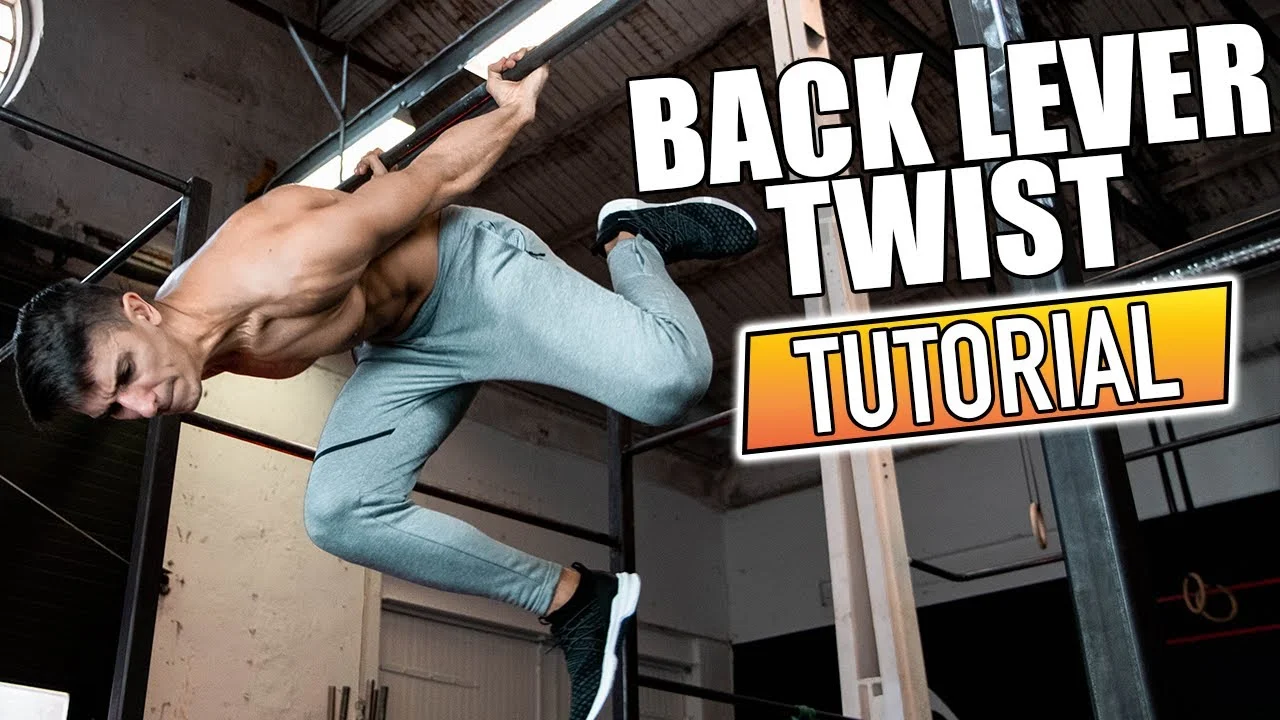
The back lever twist is a transition skill that lets you flow through the back lever position using momentum. You go inverted on the bar, and instead of holding a static back lever, you use the swing of your body to twist through and continue into the next move. It is one of the smoothest connecting moves in street workout freestyle because it keeps the motion going rather than stopping at the hold. The skill is momentum-driven, so raw strength is less of a factor than coordination and timing. In this tutorial I cover the prerequisite, the key grip cue, and how to use the body correctly to make the twist work. By the end, you will have a clear approach to practice it from the first attempt.
Watch the Full Tutorial
What Is the Back Lever Twist?
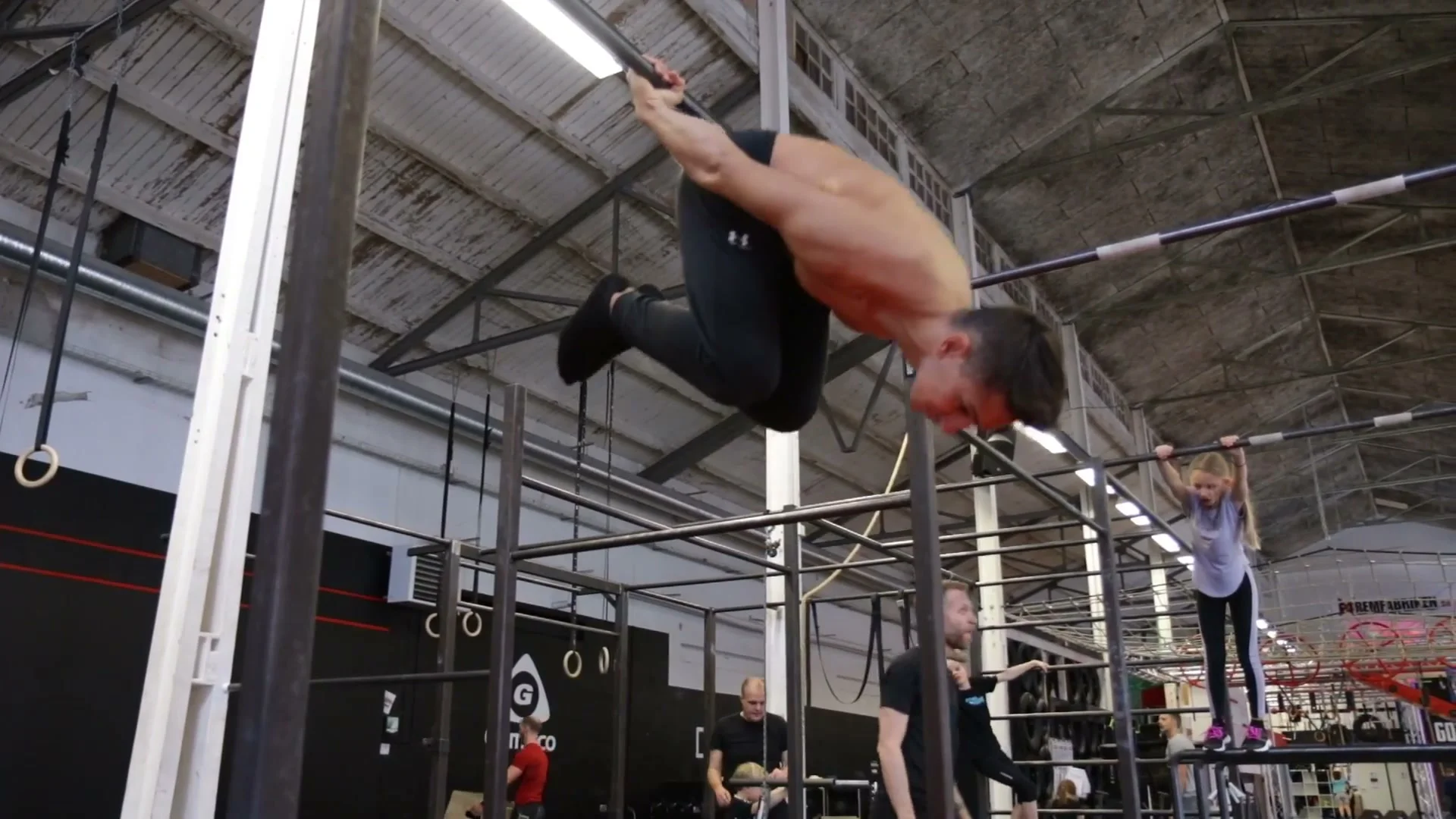
The back lever twist is a dynamic bar transition where the athlete uses an inverted swing on the bar to twist through 180 degrees, changing the direction of the body's momentum. It starts from an inverted hang or back lever entry, uses a swing and hip rotation to initiate the twist, and exits on the other side in a new direction.
It appears in street workout freestyle as a flowing transition between bar skills. Instead of entering a static back lever and dismounting, the athlete uses the back lever momentum to carry the twist through and continue the combination. It is used to reverse direction on the bar, add visual variety to a routine, or connect moves that need a directional change.
The skill is beginner to intermediate in difficulty. Most of the effort is in understanding how to use the swing rather than building strength. Once the momentum pattern is clear, the move comes together quickly.
Prerequisites
The main prerequisite is the skin the cat. The skin the cat teaches the shoulder mobility and comfort in the inverted position that the back lever twist requires. If the skin the cat feels uncomfortable or requires significant effort, the back lever twist will not be accessible because the inversion is the starting point for the whole movement.
You do not need a held back lever to learn the back lever twist. The move uses the back lever position dynamically, not statically. Basic pull-up strength and comfortable inversion on the bar are the relevant standards.
Specific standards before starting:
- Controlled skin the cat (3 clean reps)
- Comfortable inverted hang for 5 seconds
- No shoulder discomfort in the inverted position
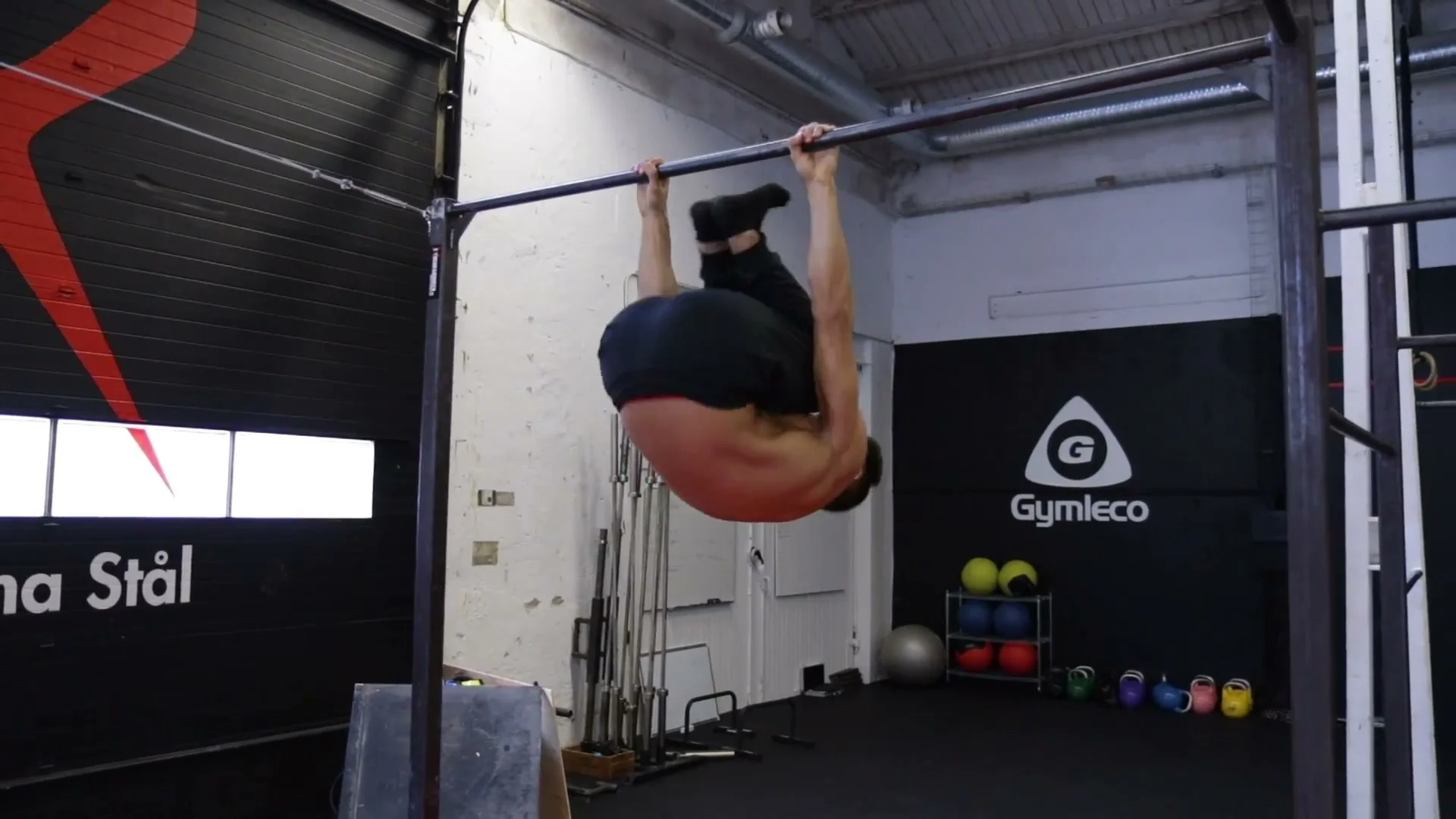
Technique: Key Cues for the Back Lever Twist
The back lever twist is mostly momentum. Two cues make the momentum work.
The first is the grip change. As you twist through the inverted position, one hand changes its grip direction. This grip shift is what allows the shoulders to rotate through the twist without locking up. Without it, the twist stalls because the arms resist the rotation. The grip change happens naturally with the momentum once you understand it is supposed to happen.
The second cue is the hip and leg drive. The twist is initiated by the hips and legs swinging in the direction of the rotation, not by muscling through with the arms. Pull the knees in or swing the legs in the direction you want to twist, and the upper body follows. If you try to twist with the shoulders alone, the move is slow and forced. If you let the hips and legs lead, the momentum carries the rest.
Progression: Training the Back Lever Twist
Stage 1: Comfortable Skin the Cat
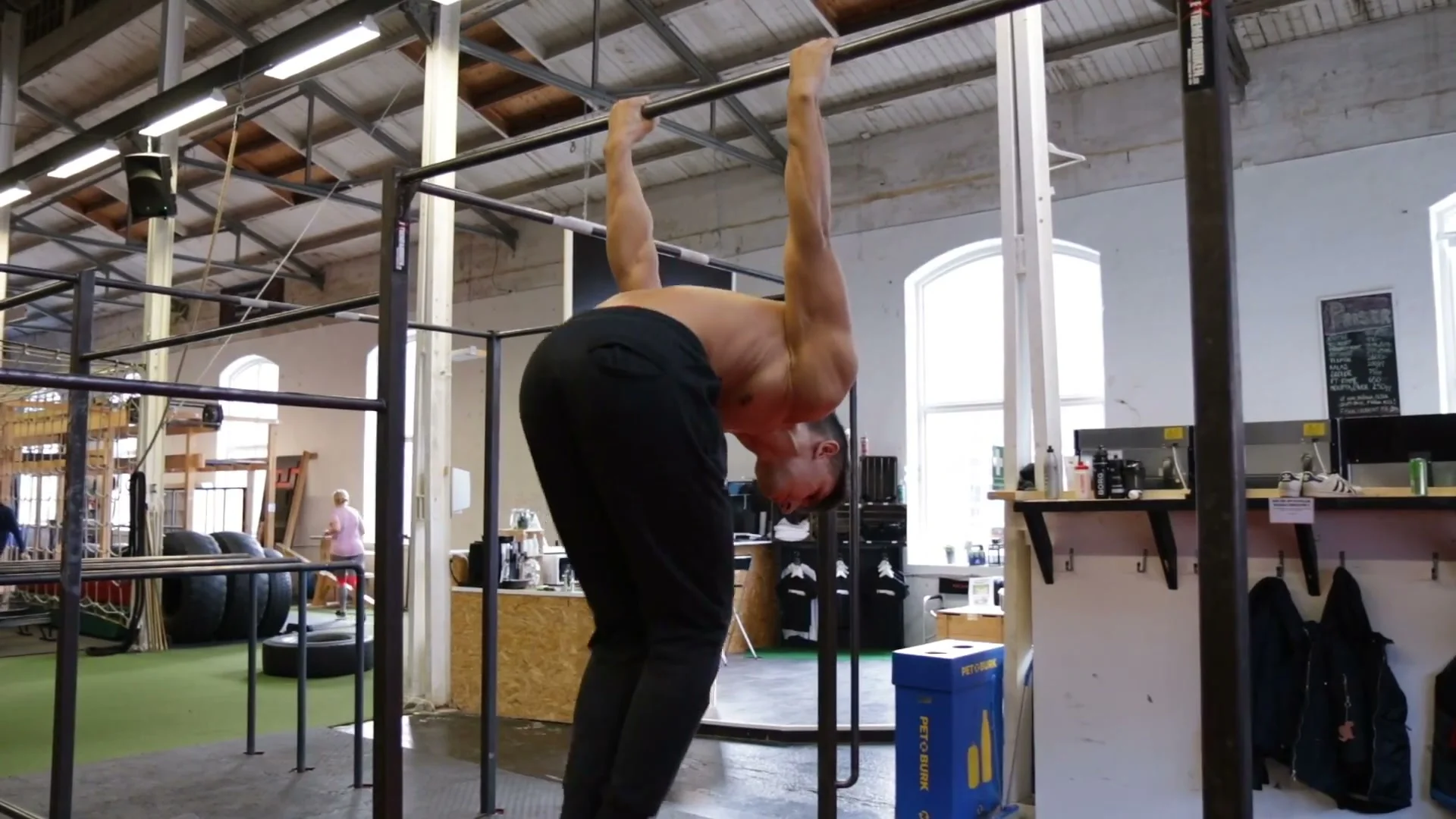
Before any twist is attempted, the skin the cat needs to feel effortless. Practice it until moving through the inversion and returning is controlled and smooth in both directions. The transition into the inverted hang should not require effort or cause discomfort in the shoulders.
Once the skin the cat is comfortable, practice simply hanging in the inverted position and creating a small swing by moving the legs forward and back. This swing feeling is what the twist builds on.
Key Takeaway
Stage 2: Feel the Swing in the Inverted Position
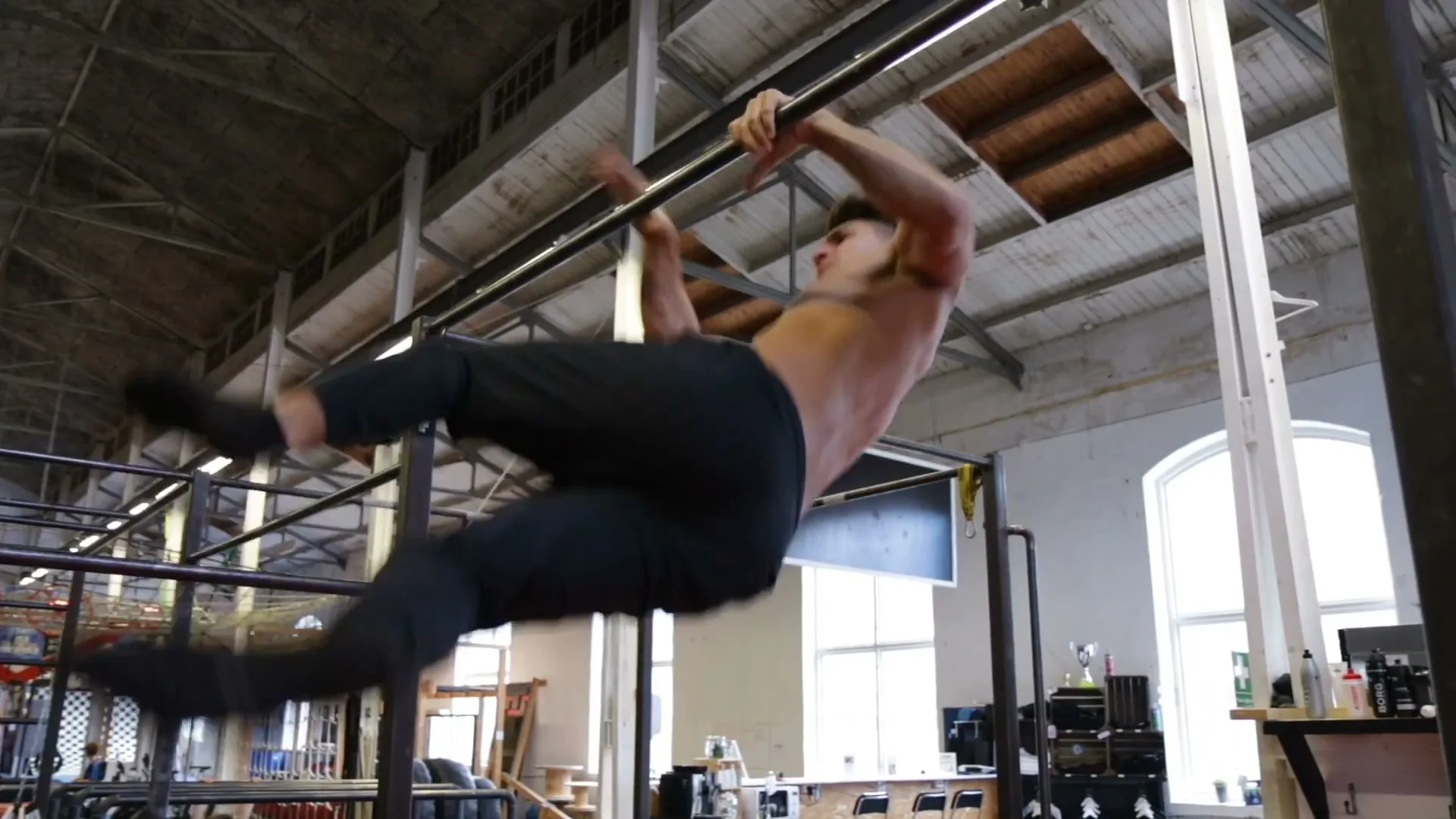
From the inverted hang, practice building a swing by driving the hips forward and back. Let the legs move to create pendulum momentum. The goal is to feel the body weight shifting in the swing and understand where the rotational power comes from before adding any twist.
This step is a drill, not the full move. You are learning the rhythm of the inverted swing so the twist initiation in the next step is easier to time.
Stage 3: Initiate the Twist With Hip Drive
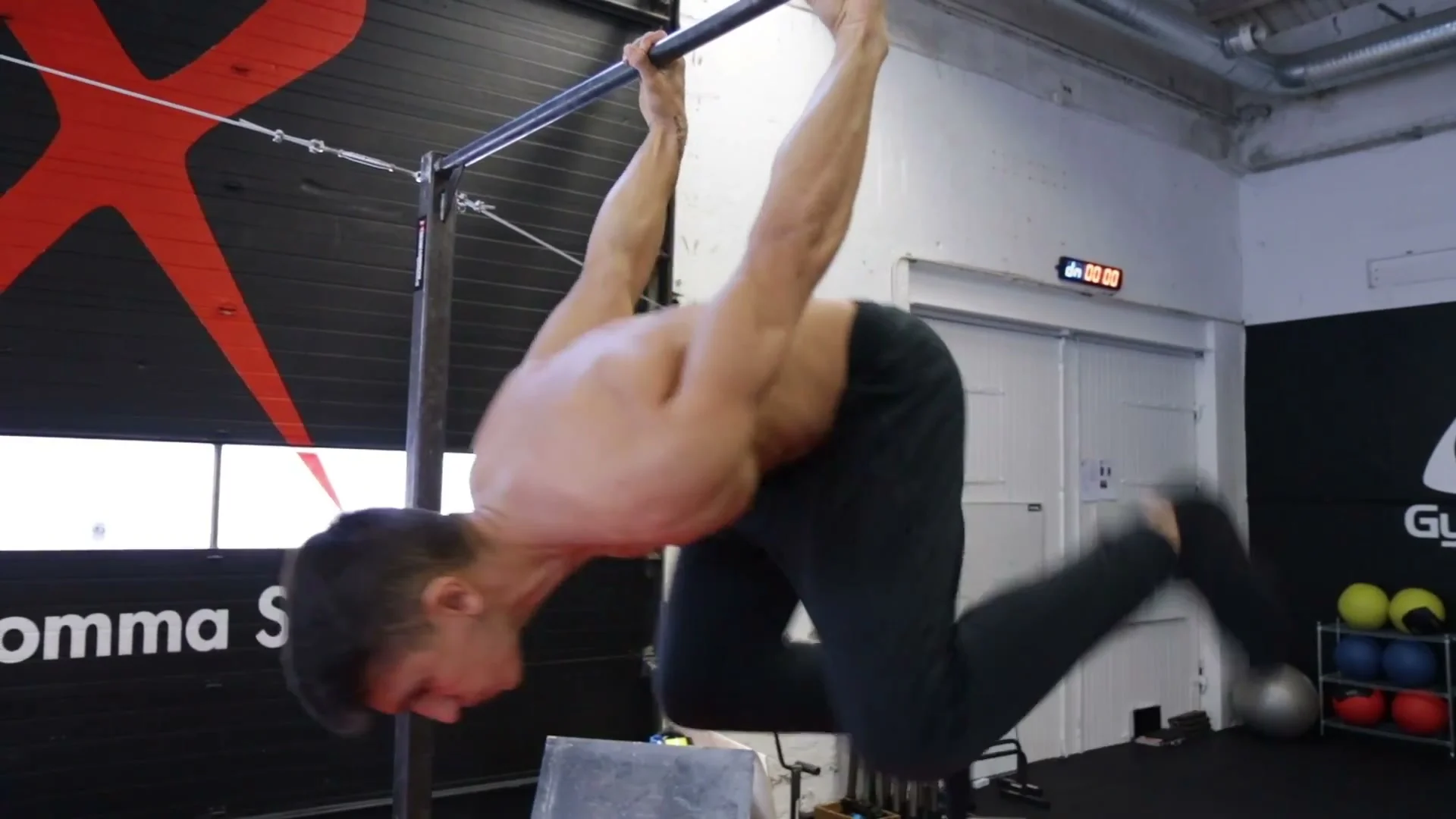
From the swing, redirect the leg drive sideways rather than forward and back. As the hips swing to one side, allow the upper body to follow and twist around. Let one hand adjust its grip as the shoulders rotate. Do not resist the rotation. The grip change and the hip drive together make the body rotate through.
Start small. A partial twist where the body rotates 90 degrees and you stop is a useful first attempt. Feel which hand needs to shift and how the hips initiate the motion. Understand the movement before committing to the full 180.
Stage 4: Full 180-Degree Twist
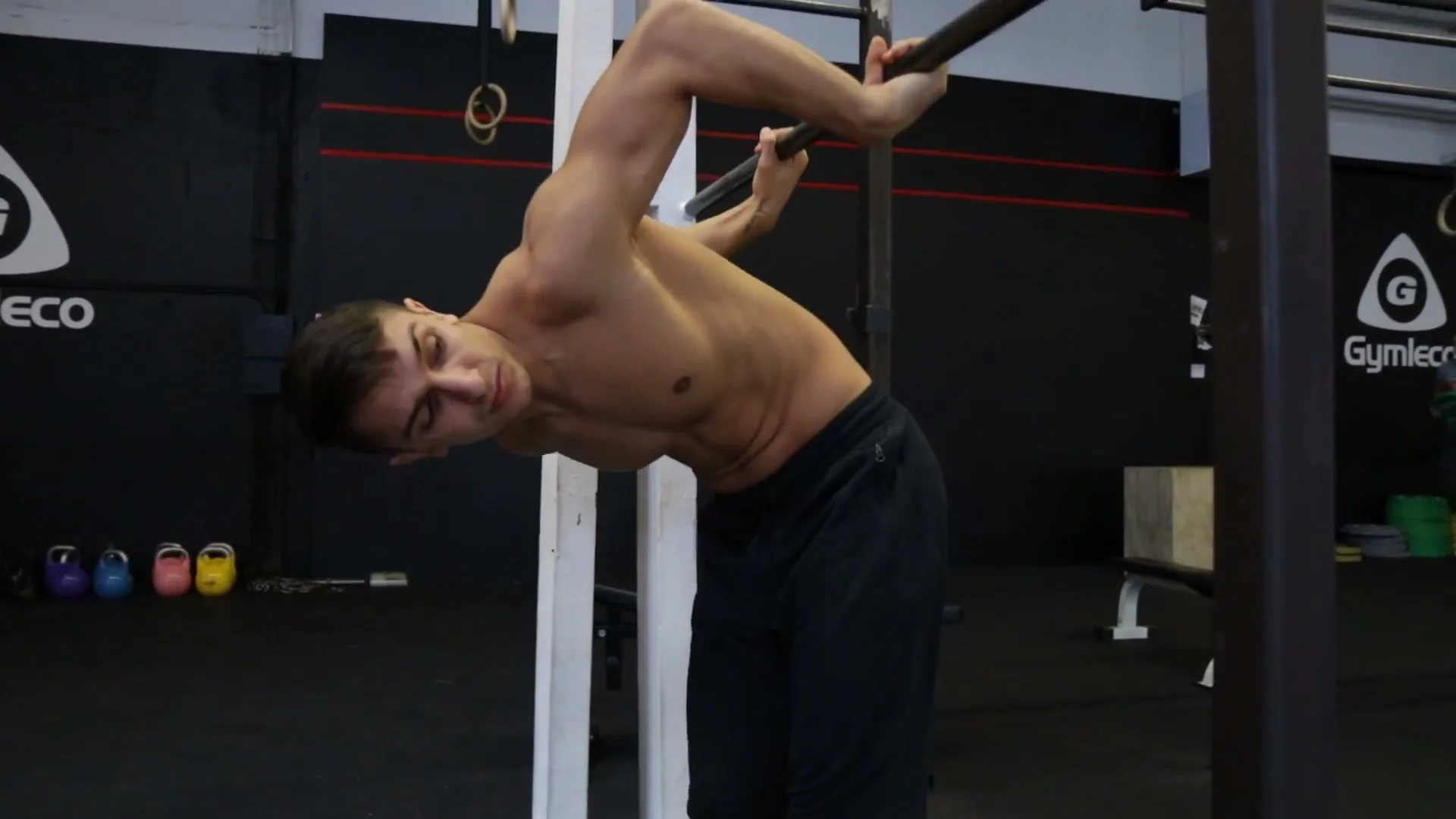
With the hip drive and grip change understood, commit to the full twist. Drive the hips and legs sideways with more force, let the grip change happen, and allow the body to rotate the full 180 degrees. The momentum should carry the twist through without requiring the arms to force the rotation.
The exit side will feel unfamiliar at first because you are now facing the opposite direction from where you started. Allow yourself time to get comfortable with that disoriented feeling. It normalizes after a few consistent reps.
Common Mistakes
Trying to Twist With the Arms
Initiating the rotation with the shoulders and arms instead of the hips produces a slow, forced twist that stalls halfway through. The arms follow the hips in this movement, they do not lead it. Return to stage 2 and practice the sideways hip drive until it feels natural before adding the grip change.
Not Allowing the Grip to Change
Keeping both hands in the same position throughout the twist creates tension in the shoulders that blocks the rotation. The grip change is not something to consciously plan. Allow one hand to naturally shift as the body rotates. If the twist is consistently stalling, check whether one hand is gripping too tightly and resisting the rotation.
Insufficient Swing Before the Twist
Starting the twist from a static inverted hang without any swing requires more muscular effort and produces a less smooth rotation. Build the swing first, then redirect it into the twist. The momentum from the swing is what makes the twist feel fluid rather than forced.
Training Tips
Practice this move in a fresh shoulder state. The inverted position places repeated stress on the shoulder joints, and attempting the back lever twist when the shoulders are already fatigued reduces control and increases strain risk. Warm up shoulders thoroughly before each session.
Use skin the cat reps as a warmup at the start of every session. Moving through the inversion before attempting the twist brings the shoulders into the range of motion the move requires and refreshes the body position familiar to the movement.
Once the back lever twist is consistent, it opens up a range of freestyle combinations. The most natural chain is entering from a swing into the inverted position, twisting through, and continuing the swing on the other side into moves like the swing 360. This sequence keeps the whole combination in motion without any static hold interrupting the flow.
Frequently Asked Questions About the Back Lever Twist
Do I need to hold a back lever before learning the back lever twist?
No. The back lever twist uses the back lever position dynamically, not as a held position. The relevant requirement is comfort in the inverted hang, which comes from the skin the cat. You do not need to hold a full static back lever.
Is the back lever twist dangerous?
The main risk is shoulder strain from poor entry into the inverted position or from twisting while the grip is wrong. Working through the progression steps and warming up the shoulders properly makes the movement safe for most athletes who meet the skin the cat prerequisite.
How long does it take to learn the back lever twist?
Most athletes who can do a comfortable skin the cat can get their first back lever twist within one to three sessions. The grip change and hip drive are the two things that need to click, and once both are understood, the full twist comes together relatively quickly. Consistent clean reps typically take one to two weeks.
Where does the back lever twist fit in a freestyle combination?
It works as a direction-change transition on the bar. Common uses include entering from a swing, twisting through the inverted position, and continuing the momentum into the next bar move. It connects well with swings, skin the cat entries, and other inverted bar skills.
What muscles does the back lever twist train?
The inverted position in the back lever twist loads the lats, rear deltoids, and rotator cuff during the inversion and twist. The hip drive engages the core and hip flexors. Unlike static back lever training, the twist version is primarily a coordination movement rather than a strength exercise.
Can I practice the back lever twist indoors?
Yes, with a bar high enough to hang from with straight arms and enough clearance to swing. A doorframe pull-up bar works for the skin the cat prerequisite steps, but the twist requires enough space around the bar to swing freely. A pull-up rig or a squat rack bar provides the necessary clearance for the full movement.
Daniel Flefil
Calisthenics coach with 11 years of experience, co-founder of Calixpert, and organizer of Beast of the Barz, one of the world's largest calisthenics competitions. Based in Stockholm. I write about training, equipment, and everything that goes into building a serious calisthenics practice.
More about Daniel →