
Daniel Flefil
May 12, 2019 · 5 min read
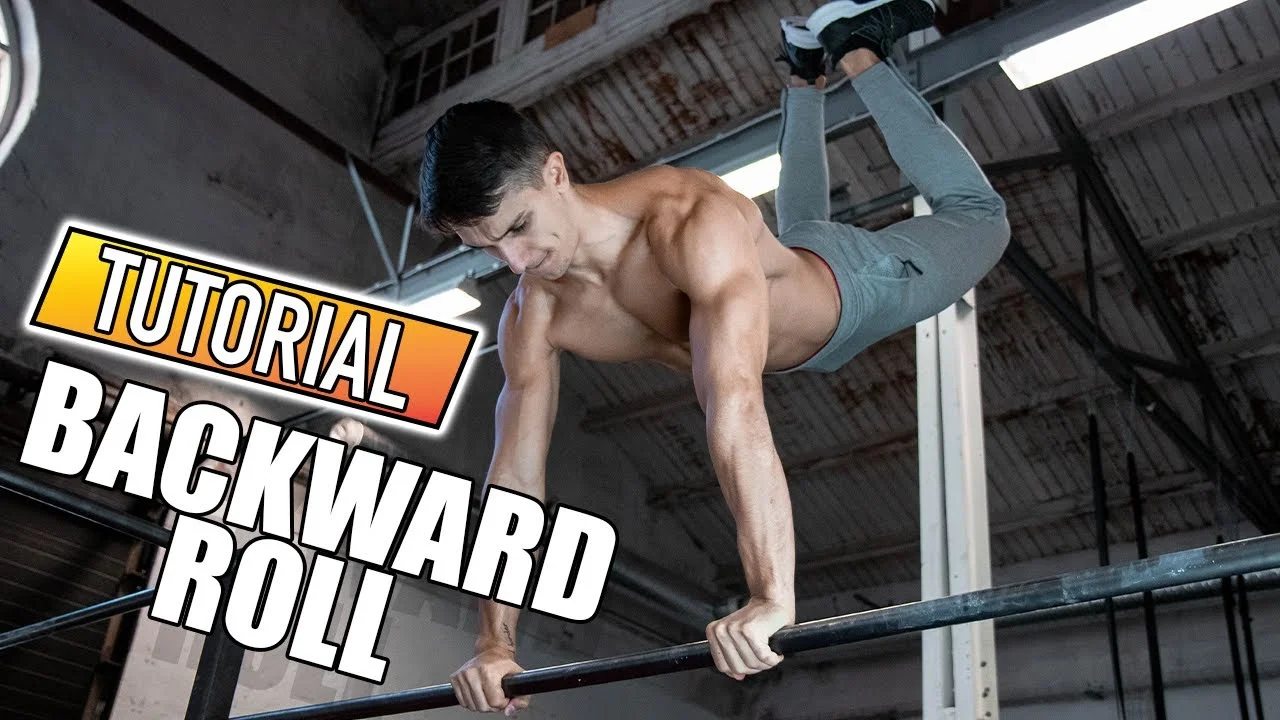
The backward roll on the bar is one of the first spinning moves beginners learn in street workout freestyle. You hang on the bar, build a swing, and let the body roll backward around the bar in a full rotation. It teaches the body to move fluidly around a fixed point, which is a foundational skill for more advanced bar moves covered in the calisthenics freestyle beginner guide. The two things that make or break the move are generating enough swing power and knowing when to lean back. In this tutorial I cover both steps and the key cues that let the rotation complete. By the end, you will have a straightforward plan to practice it from the first attempt.
Watch the Full Tutorial
What Is the Backward Roll on the Bar?
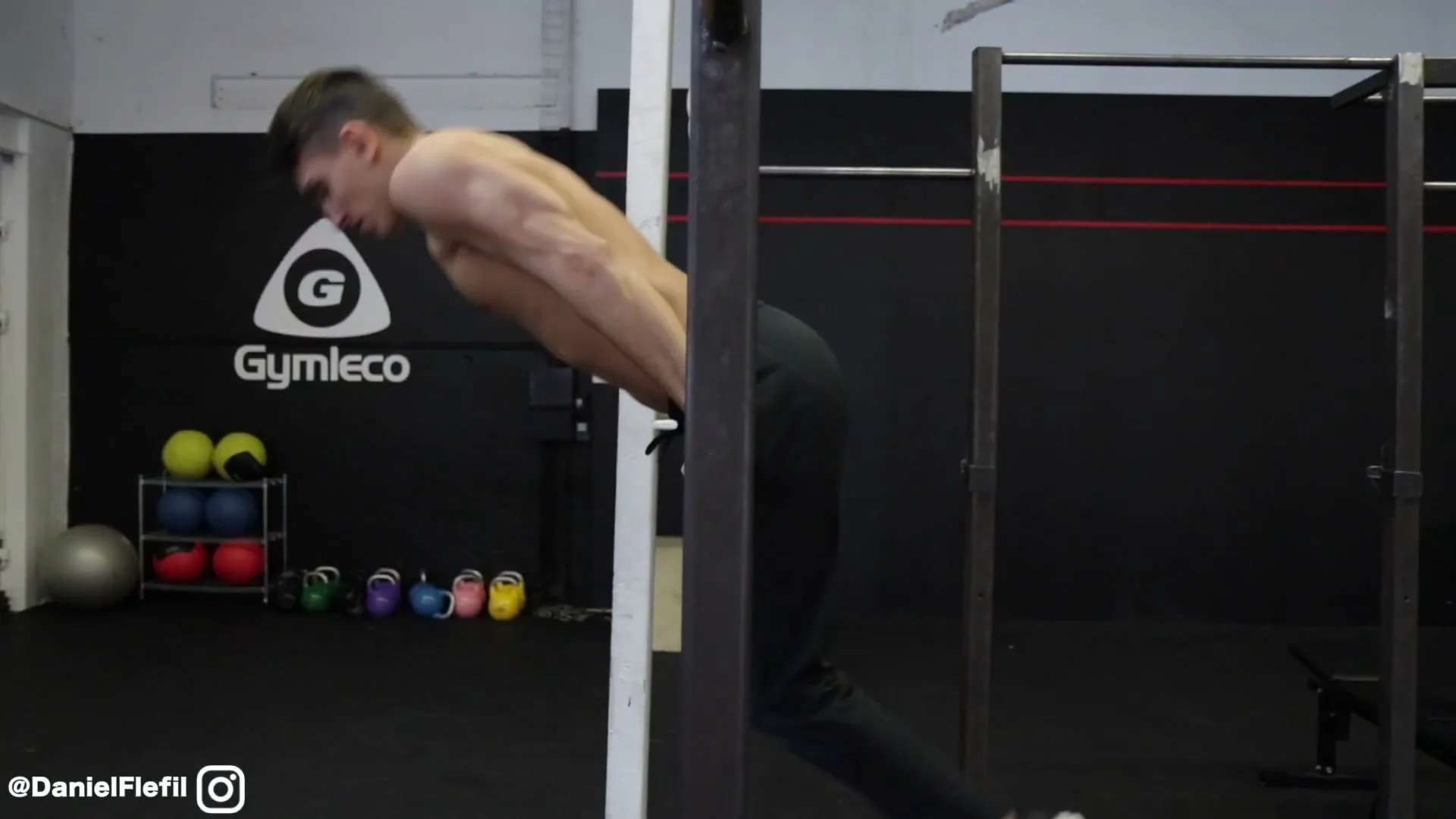
The backward roll on the bar is a rotation where the athlete starts above the bar in a front support position, swings the legs forward, and uses the momentum to roll the body backward over and around the bar, landing back in a hanging or support position. The bar acts as the axis of rotation. The body circles around it rather than over it.
It is a beginner freestyle move that appears in combinations as a smooth transition. It builds the sense of rotating around a bar that more demanding freestyle skills require later. The bar acts as the pivot point for a full body rotation driven by momentum rather than strength, which is why it is accessible early in training.
Prerequisites
The backward roll on the bar requires basic ability to support the body above a horizontal bar. You need to be able to hold yourself in a front support position with straight arms and control the movement at the bar without losing grip. No pull-up strength is required, but the grip and wrist position during the roll need to be familiar before the rotation is attempted.
Start on a bar that is low enough to reach from the ground or with a small jump. A lower bar reduces the consequence of losing the rotation partway through and lets you focus on the movement pattern without height adding pressure.
Specific standards before starting:
- Front support hold (arms straight, body above bar) for 5 seconds
- Comfortable hanging from the bar by the hands
- Basic jump ability to get onto the bar
Technique: How the Backward Roll Works
The backward roll has two mechanics that both need to work for the rotation to complete.
The first is the power swing. From above the bar, lean slightly forward, bend the arms, and bring the feet in front of the bar. Then push up with the arms and sweep the legs back and up, keeping them relatively straight. Let the hips come to the bar and the legs come back down in front. This swing builds the momentum the roll needs.
The second is the lean-back trigger. The roll initiates at one specific moment: when the hips touch the bar on the way down from the swing. At that moment, keep the arms straight and let the legs continue forward. The upper body leans backward at the same time. Looking backward as the lean begins is the cue that makes the rotation follow through. If the head stays forward, the upper body blocks the rotation and the spin stops.
Progression: Training the Backward Roll
Step 1: Build the Power Swing
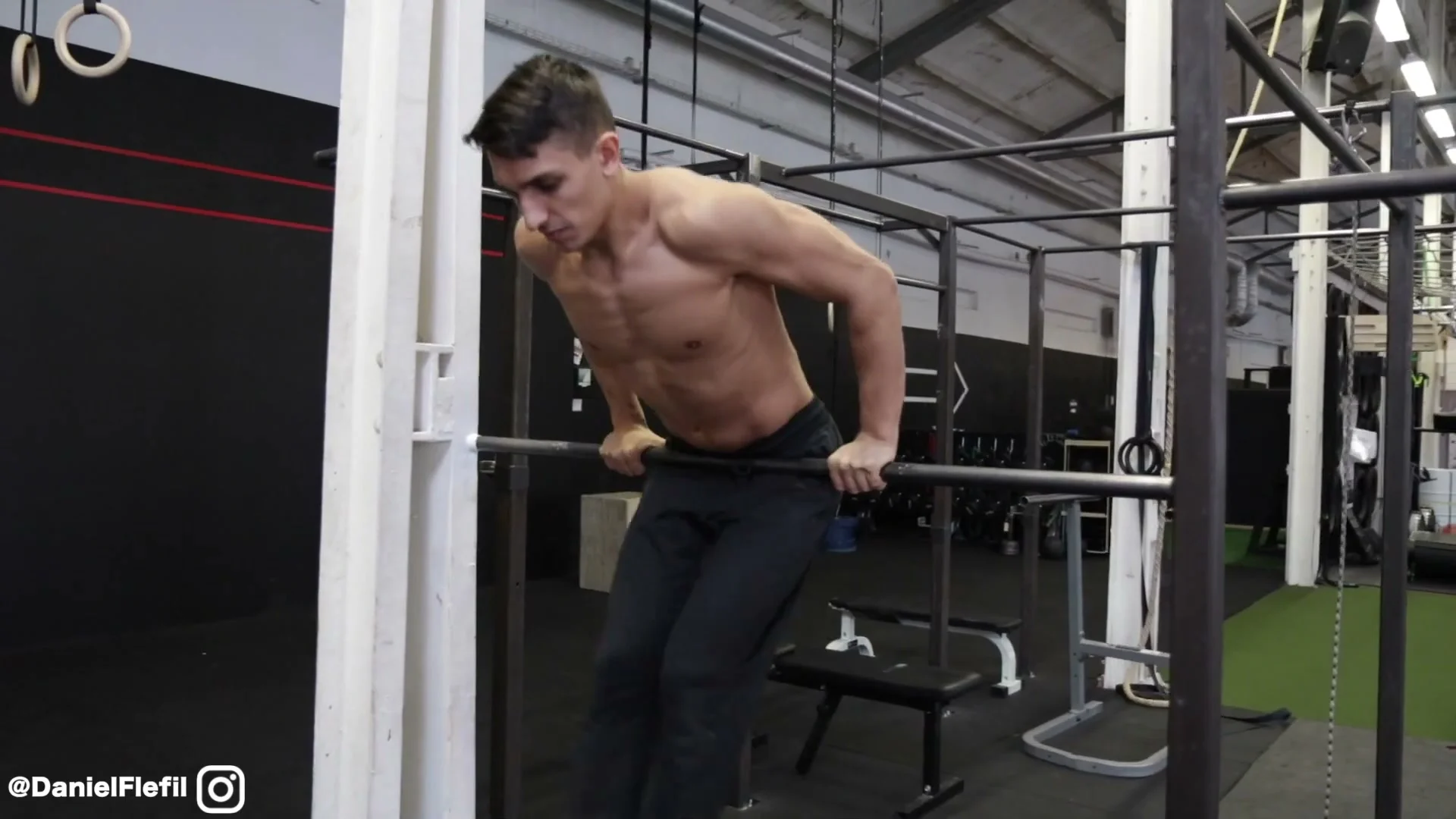
Get on the bar in a front support position. Lean slightly forward, bend the arms, and bring the feet in front of the bar. From here, push with the arms and sweep the legs back and up, keeping them straight during the upswing.
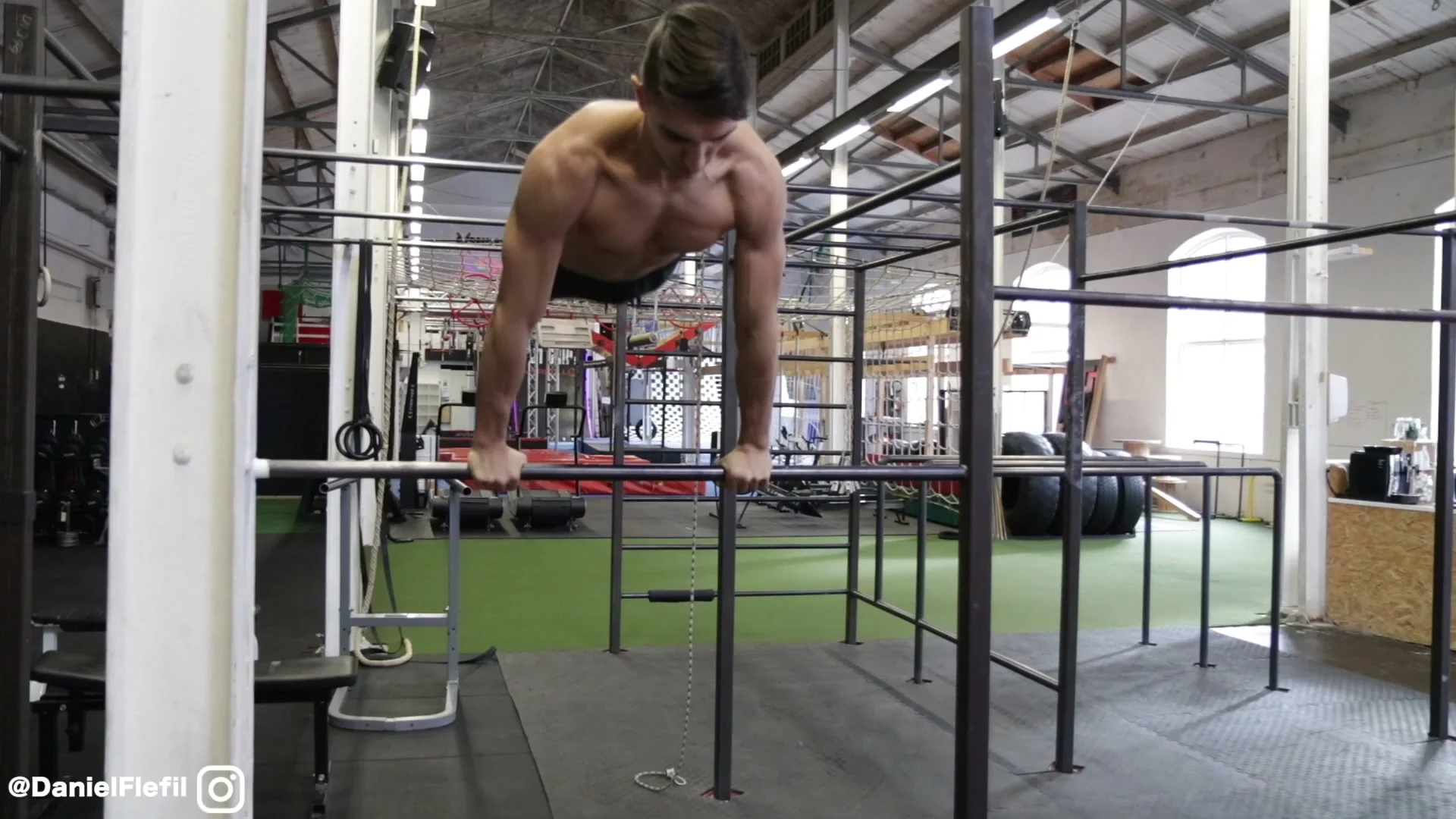
When the legs come back down, land softly by bending the arms and letting the hips touch the bar gently. This landing is the moment the roll will trigger in the next step. Practice the full swing multiple times, landing controlled each time, before adding the rotation.
This step is the most important part of the whole move. Without enough swing, the body will not have the speed to rotate around the bar when the lean-back is added.
Key Takeaway
Step 2: Add the Lean-Back to Complete the Roll
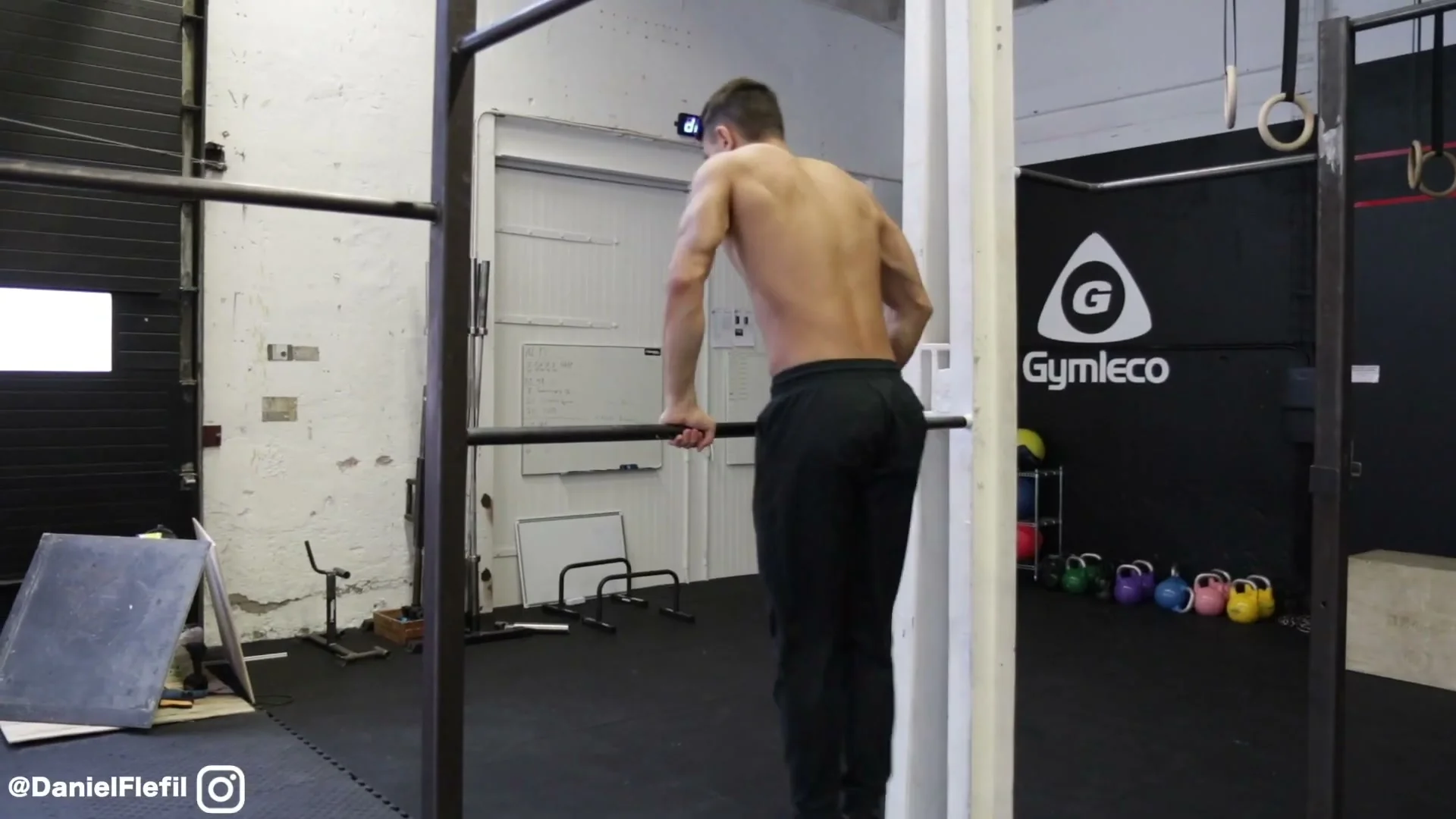
Perform the same swing as step 1. When the hips touch the bar on the descent, do not bend the arms or stop the motion. Instead, keep the arms straight, let the legs continue forward, and lean the upper body backward at the same time.
Look backward as the upper body begins to lean. The head leading the look backward is what allows the upper body to follow through instead of stopping the rotation. Once the rotation starts, trust the momentum and let it carry the body around the bar.
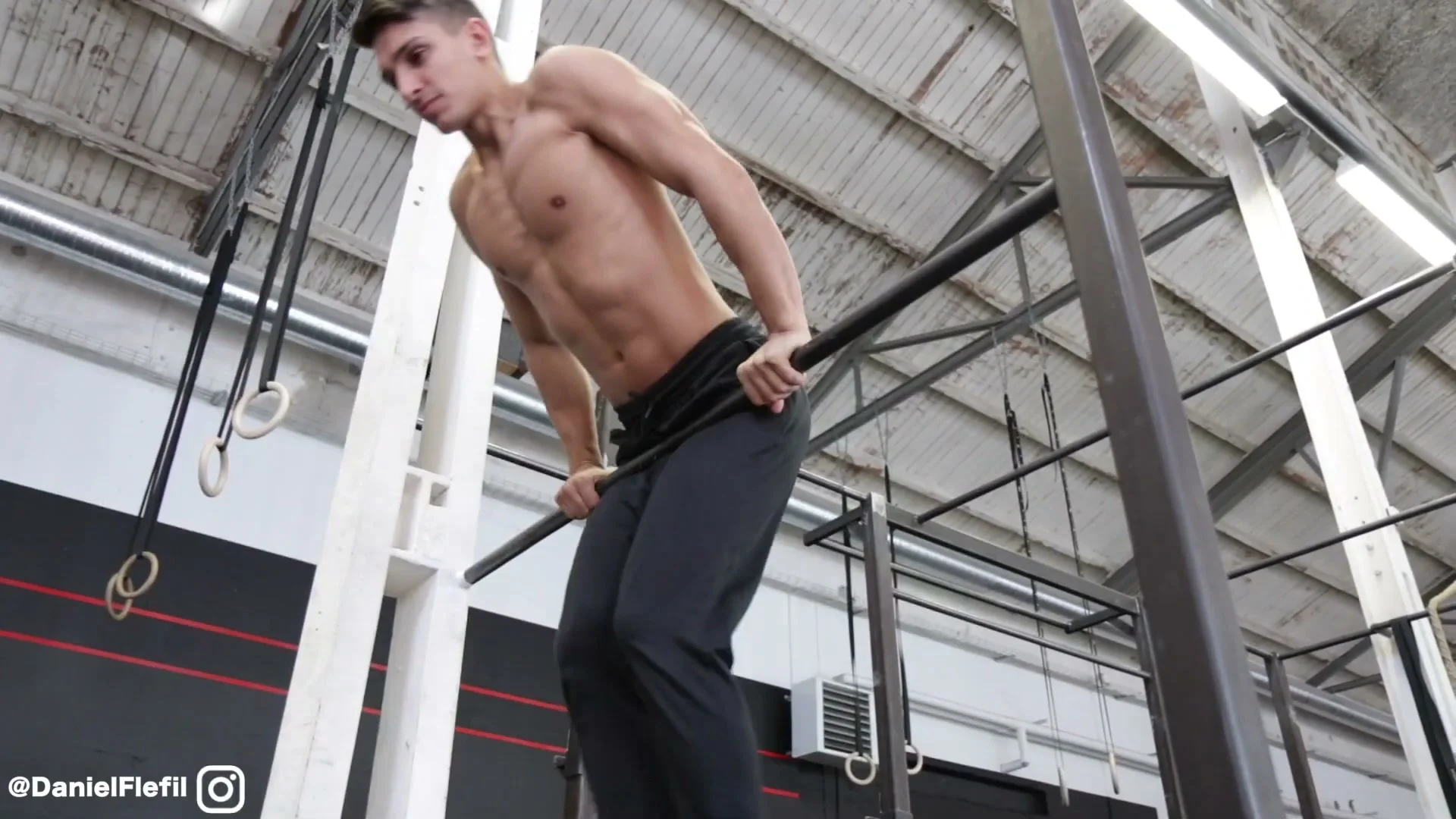
After the rotation, the body returns to a hanging or support position below or above the bar depending on how the exit is controlled. Catch the position with bent arms on the way back around.
Common Mistakes
Not Looking Backward During the Lean
Keeping the head forward or neutral during the lean-back prevents the upper body from following through the rotation. The upper body acts as a counterweight and stops the spin. Turn the head backward as soon as the lean starts. This one cue is the difference between a rotation that completes and one that stalls.
Not Enough Power in the Swing
Attempting the roll with a weak swing means there is not enough speed when the hips touch the bar for the rotation to carry through. The lean-back initiates but the body stops after 90 degrees. Return to step 1 and build the swing quality before attempting the rotation again. More swing height means more time and speed for the roll.
Bending the Arms During the Roll
Bending the arms when the hips touch the bar instead of keeping them straight slows the rotation and puts the body in the wrong position for the lean-back. The arms stay mostly straight as the hips contact the bar. The arm bend is only for the controlled landing after the rotation completes.
Training Tips
Start every session on the lowest available bar. A few practice swings on the low bar before attempting the roll warm up the wrist and grip position and rebuild the timing pattern before height is added.
Once the single roll is consistent, practice doing two in a row without stopping. Chaining the rolls without pausing between them trains the continuous momentum pattern and shows you whether the swing quality is strong enough to carry through repeated rotations. If the second roll feels harder than the first, the initial swing is not generating enough speed.
Film from the side to check the lean-back timing. The moment the head and upper body start to lean relative to when the hips touch the bar is hard to feel accurately. Video makes it immediately clear whether the lean is happening on time or slightly too early or late.
Frequently Asked Questions About the Backward Roll on the Bar
What height bar should I start on for the backward roll?
Start on the lowest bar you can reach from the ground or with a small jump. A bar at roughly chest height is ideal for the first attempts. Lower bars reduce the consequence of a stalled rotation and let you focus on the movement without height making it more intimidating.
Is the backward roll on the bar the same as a back hip circle in gymnastics?
Yes, it is the same movement with a different name. In gymnastics it is called a back hip circle. In street workout freestyle it is called the backward roll on the bar. The mechanics are identical: front support, swing, hips to bar, lean back, rotate around.
Why does my rotation stall halfway through?
Two causes cover most cases. Either the swing was not powerful enough to carry the rotation, or the head did not look backward during the lean. These are separate problems. If the body gets past 90 degrees before stalling, the swing is probably enough but the head position is preventing the upper body from continuing. If the body barely starts to roll, the swing needs more speed.
Do I need chalk for the backward roll on the bar?
Chalk helps by improving grip security during the rotation when the hand position shifts slightly around the bar. For early attempts on a low bar, it is not strictly necessary. On a higher bar where a grip failure has more consequence, chalk is worth using.
Can I learn the backward roll indoors?
Yes. Any bar with enough clearance overhead for the body to rotate around it works. A doorframe pull-up bar is typically not suitable because the clearance for the rotation is too tight. A pull-up rig or squat rack bar with open space above works. Outdoor calisthenics parks with bars at different heights are the most practical environment.
How long does it take to learn the backward roll on the bar?
Most beginners who can do a front support can get their first backward roll within one to two sessions once the power swing from step 1 is established. The lean-back cue usually clicks within the same session. Consistent clean reps typically take one to two weeks.
Daniel Flefil
Calisthenics coach with 11 years of experience, co-founder of Calixpert, and organizer of Beast of the Barz, one of the world's largest calisthenics competitions. Based in Stockholm. I write about training, equipment, and everything that goes into building a serious calisthenics practice.
More about Daniel →