
Daniel Flefil
November 12, 2021 · 6 min read
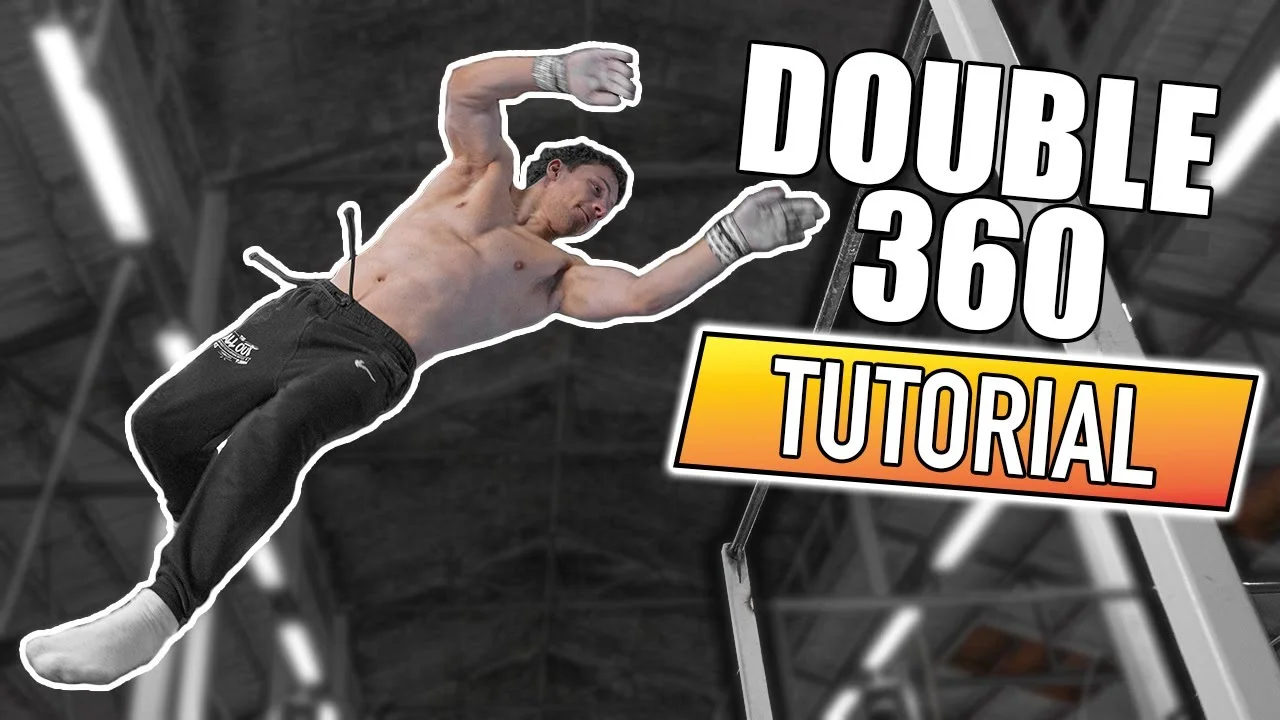
The double 360 is one of the most recognized skills in freestyle calisthenics. Two full rotations in the air, a mixed grip catch between them, and a second full rotation to finish. It is an advanced skill that demands a solid foundation in the swing 360 and tornado 360 before it is realistic to attempt. For this tutorial I brought in Pauls Jemeljanovs from Latvia, a calisthenics athlete with over ten years of experience and one of the clearest demonstrators of the double 360. He covers the seven steps, the exact grip mechanics, and the technique cue most people miss.
Watch the Full Tutorial
What Is the Double 360?
The double 360 is a freestyle bar skill where the athlete releases from a swing, completes a full 360-degree rotation, catches the bar in a mixed grip, and immediately uses that catch to launch a second full 360-degree rotation before catching the bar again. The total rotation is 720 degrees across two connected spins.
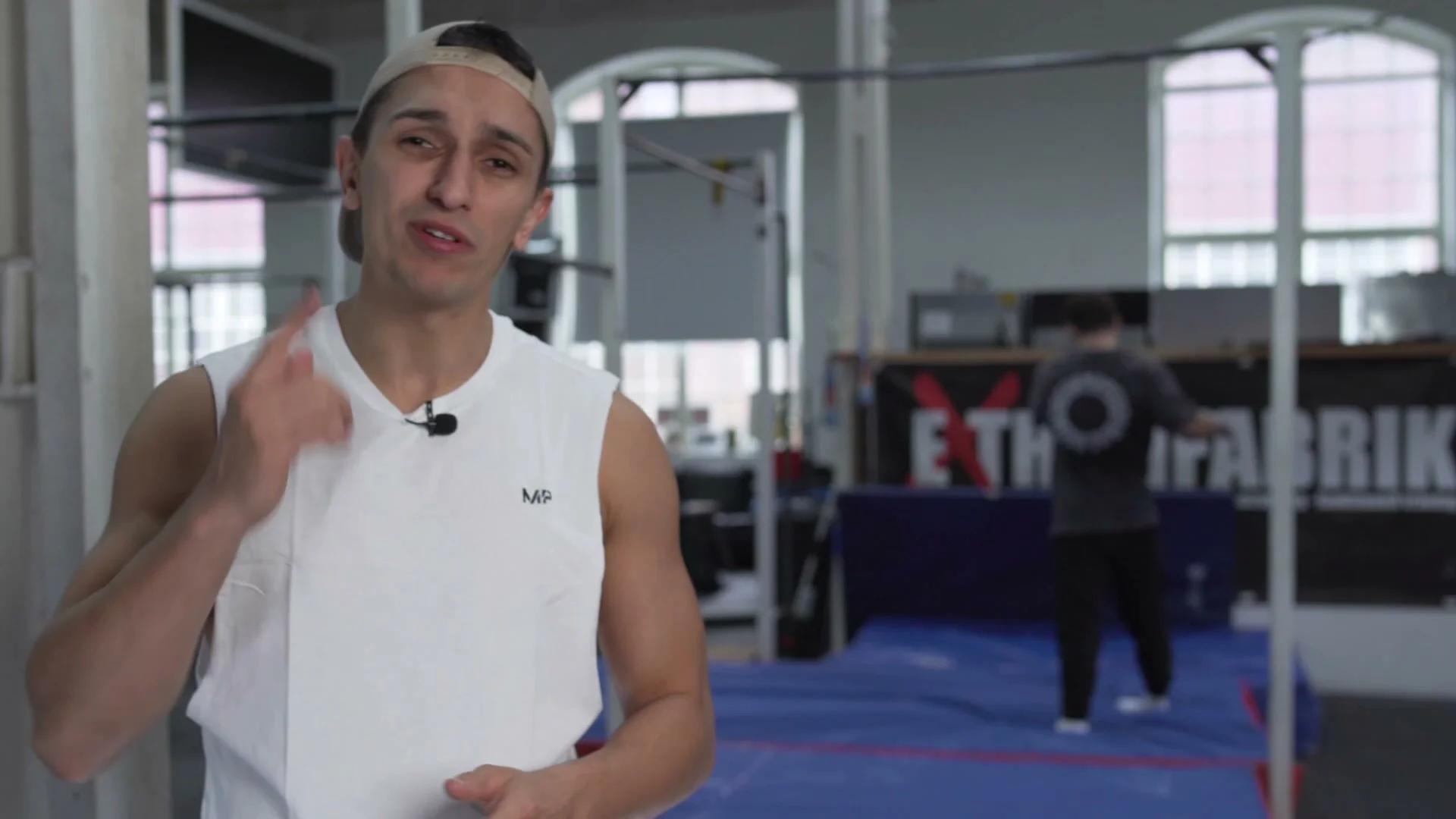
The move is intermediate-to-advanced in the freestyle progression. The techniques used in the double 360, particularly the hip twist direction change and the uppercut catch, also scale directly to triple and quadruple 360s. Getting the double right is the foundation for everything beyond it.
Prerequisites
The double 360 is not a starting point. Two skills need to be consistent before attempting it. The first is the swing 360. The spin mechanics, the release timing, and the catch all transfer directly. The second is the tornado 360. The tornado teaches the direction change and the hip twist that the double 360 builds on. Attempting the double without both of these solid means learning three things simultaneously, which multiplies the difficulty.
Specific standards before starting:
- Consistent swing 360 with controlled catch
- Tornado 360 with confidence in the direction change
- Comfort releasing and re-catching the bar after full rotation
Technique: What Makes the Double 360 Work
Two elements in the double 360 do not exist in the swing 360 and must be understood before working through the steps. The first is the hip direction change. During the swing, the hips twist inward on the backswing and then reverse direction toward the rotation side at the bottom of the swing. This generates the momentum for the first rotation.
The second is the uppercut catch. When catching the bar at the end of the first rotation, the hand coming from underneath mimics an uppercut motion. This is not just a grip. It actively drives the second rotation. Without it, the second spin starts from a dead stop and is much harder to complete.
Step 1: Prerequisites Check
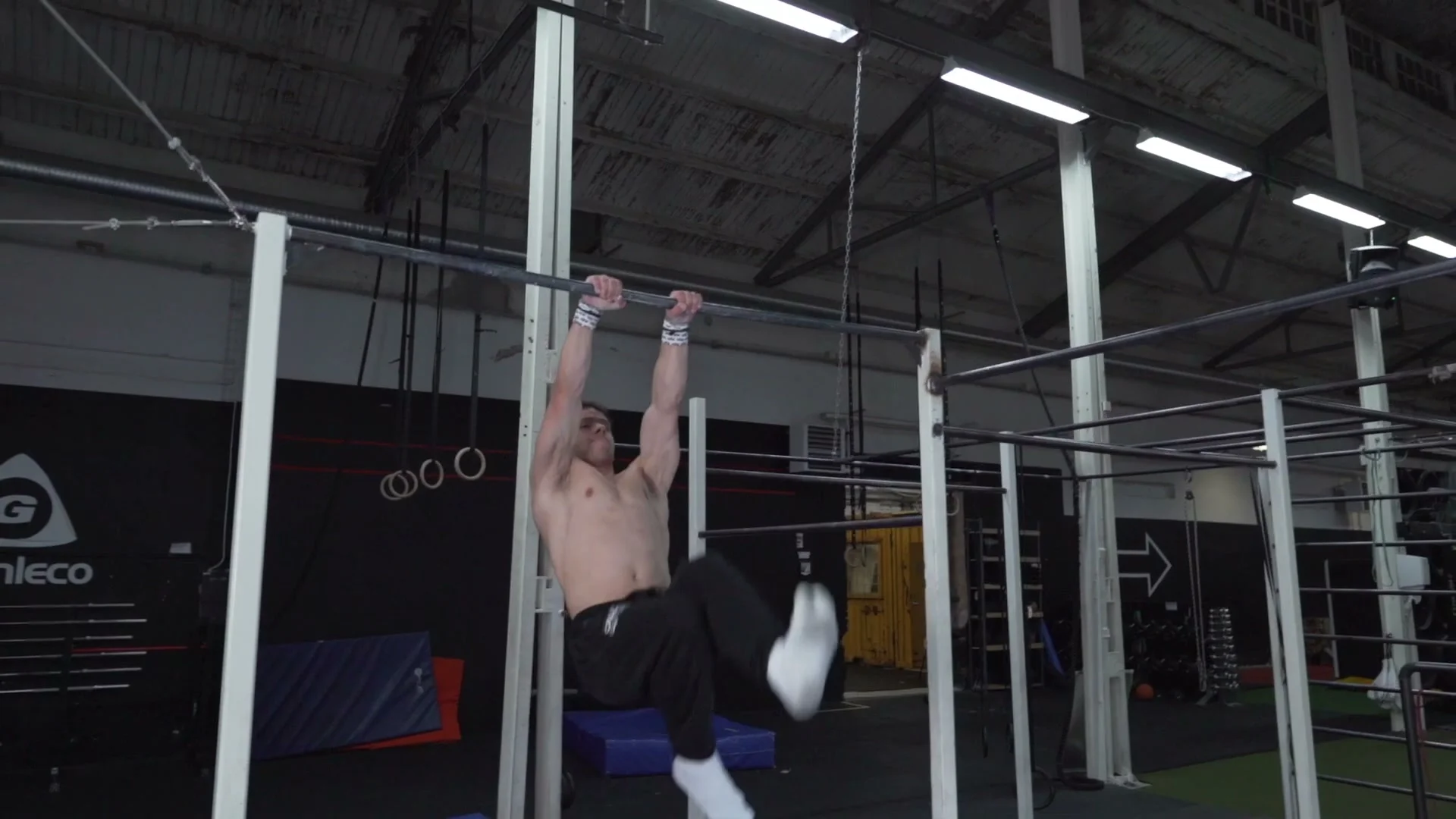
Confirm the swing 360 and tornado 360 are both solid before starting. Jump onto the bar and get a feel for your lead leg. The lead leg drives the rotation. Pauls uses his left leg, rotating to the left. Whichever leg you naturally lead with, that stays consistent throughout the double 360. Know which side you rotate toward before continuing.
Step 2: Hip Twist Direction Change
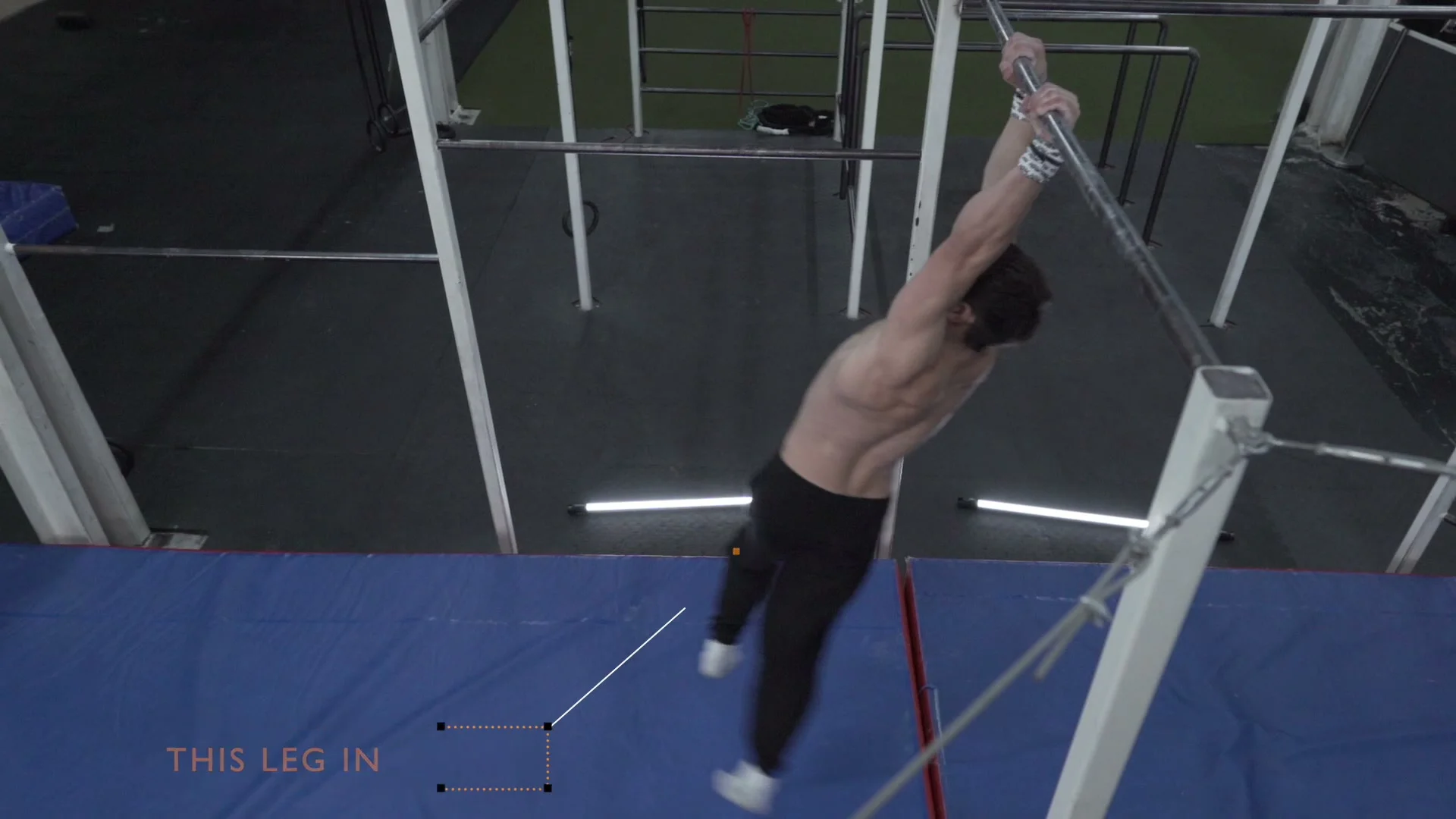
This step separates the double 360 from the swing 360. When swinging backward, twist the lead leg and hip inward toward the opposite side you are rotating to. This is the wind-up. When you come under the bar at the bottom of the swing, reverse: twist the hips and lead leg back toward the rotation side. This reversal is what generates the extra momentum needed for a second rotation.
Without this direction change, the swing produces standard 360 power. With it, the body builds rotational energy through the wind-up and release, enough to sustain two full spins.
Step 3: Lower Body Further Back
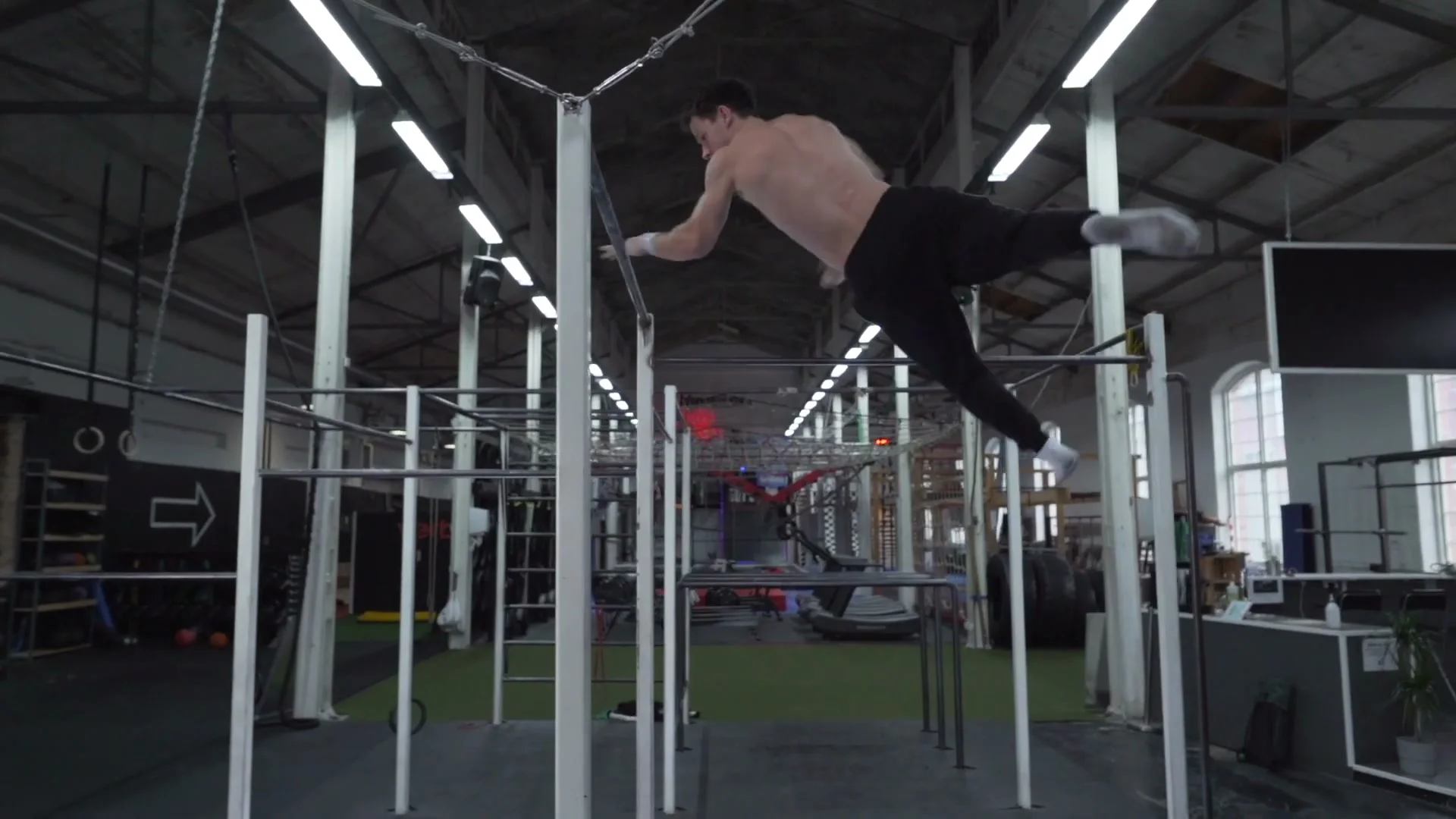
On the backswing, let the lower body lag behind the upper body. The legs go further back than the torso. This creates a loaded position at the end of the backswing. When the swing comes forward, that loaded lower body drives forward with more force, giving the first rotation more speed.
This feels different from a standard swing where the body moves as one unit. Let the lower body go further. The gap between upper and lower body on the backswing is directly proportional to the momentum available for the second 360.
Step 4: Rotation Mechanics
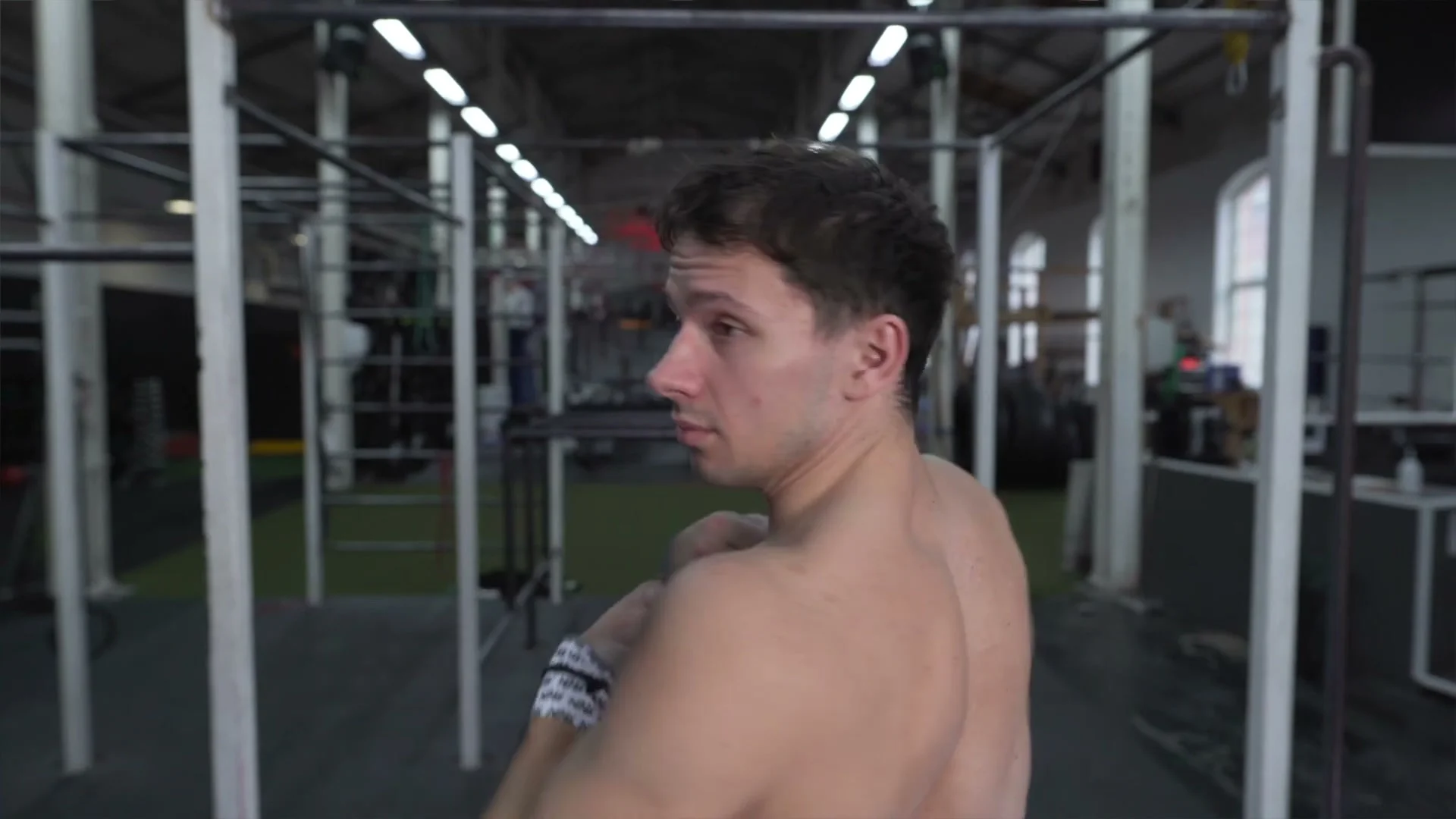
At the highest point of the swing, the lead leg continues driving the rotation. Look over the shoulder in the direction of the spin to spot the bar as early as possible. Tuck the upper body toward a more compact position to generate faster rotation.
The landing goal for the first rotation is to arrive with the upper body more forward than a standard swing 360 finish. Landing more forward means the arms are already in a better position to reach the bar for the mixed grip catch.
Key Takeaway
Step 5: Mixed Grip on Low Bar First
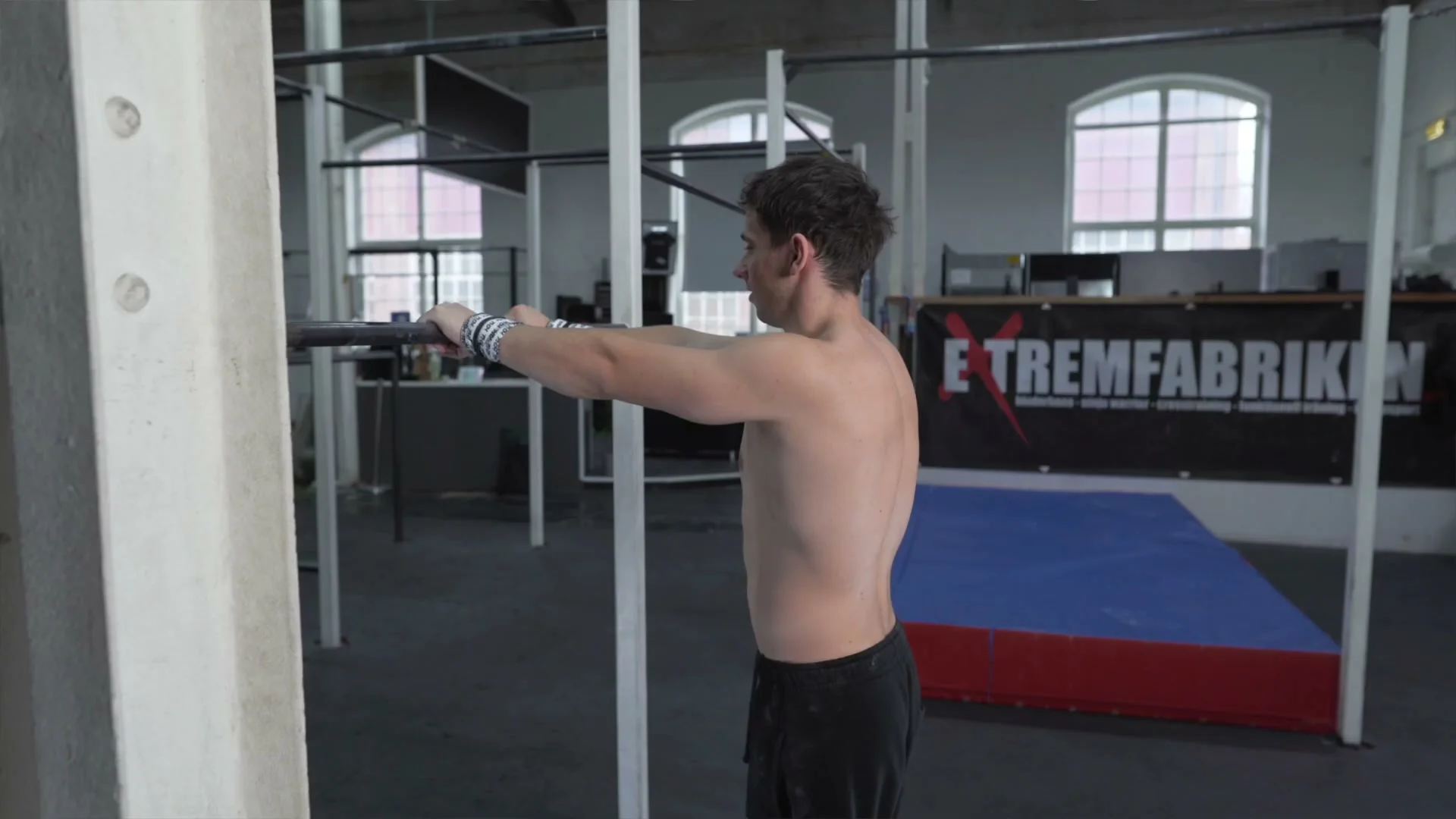
Use a low bar with feet on the ground and practice the mixed grip without the spin first. During the first rotation, the lead arm goes upward and over the head, and the other arm comes from underneath. The grip that results is mixed: one hand overhand, one underhand.
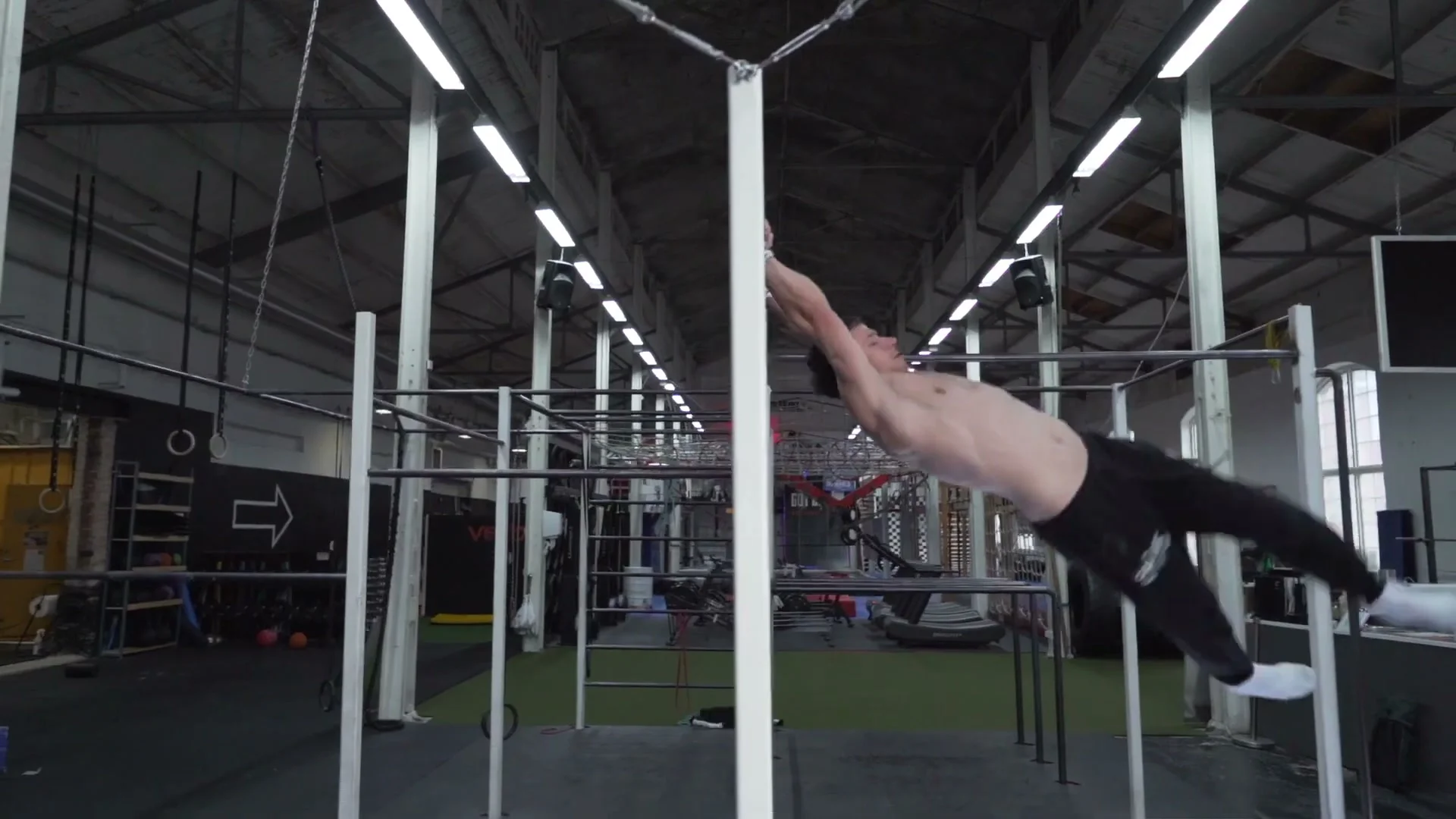
Once the motion feels natural on the low bar, move to the high bar. Start by tapping the bar at the mixed grip point rather than catching it. The tap confirms the timing. When the tap is consistent, commit to catching.
Step 6: The Uppercut Catch and Second 360
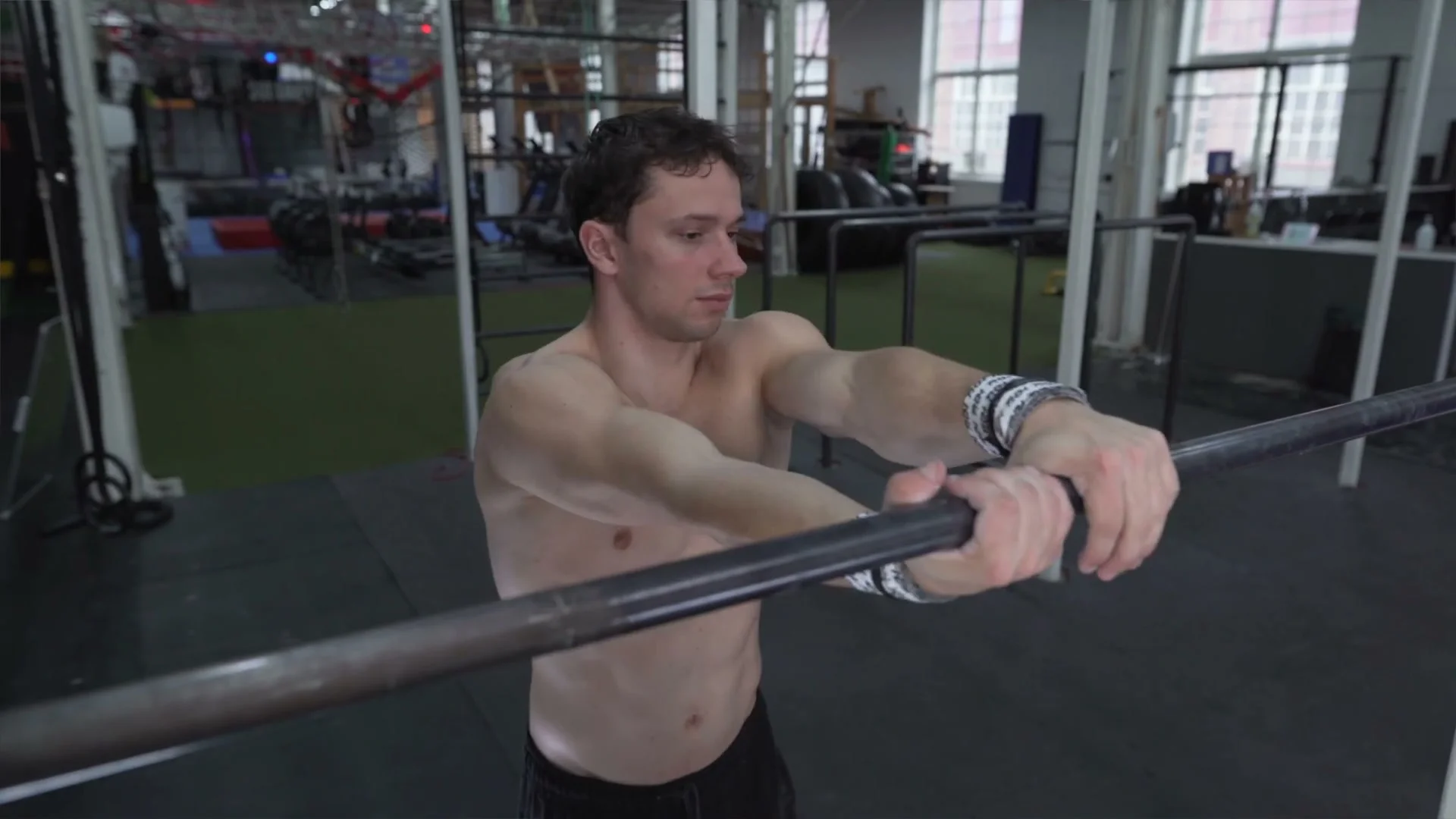
When catching the bar at the end of the first rotation, the hand coming from underneath must mimic an uppercut. This is not a passive grip. The uppercut motion actively launches the second rotation. Gripping and stopping kills the momentum. The uppercut converts the catch into the start of the next spin.
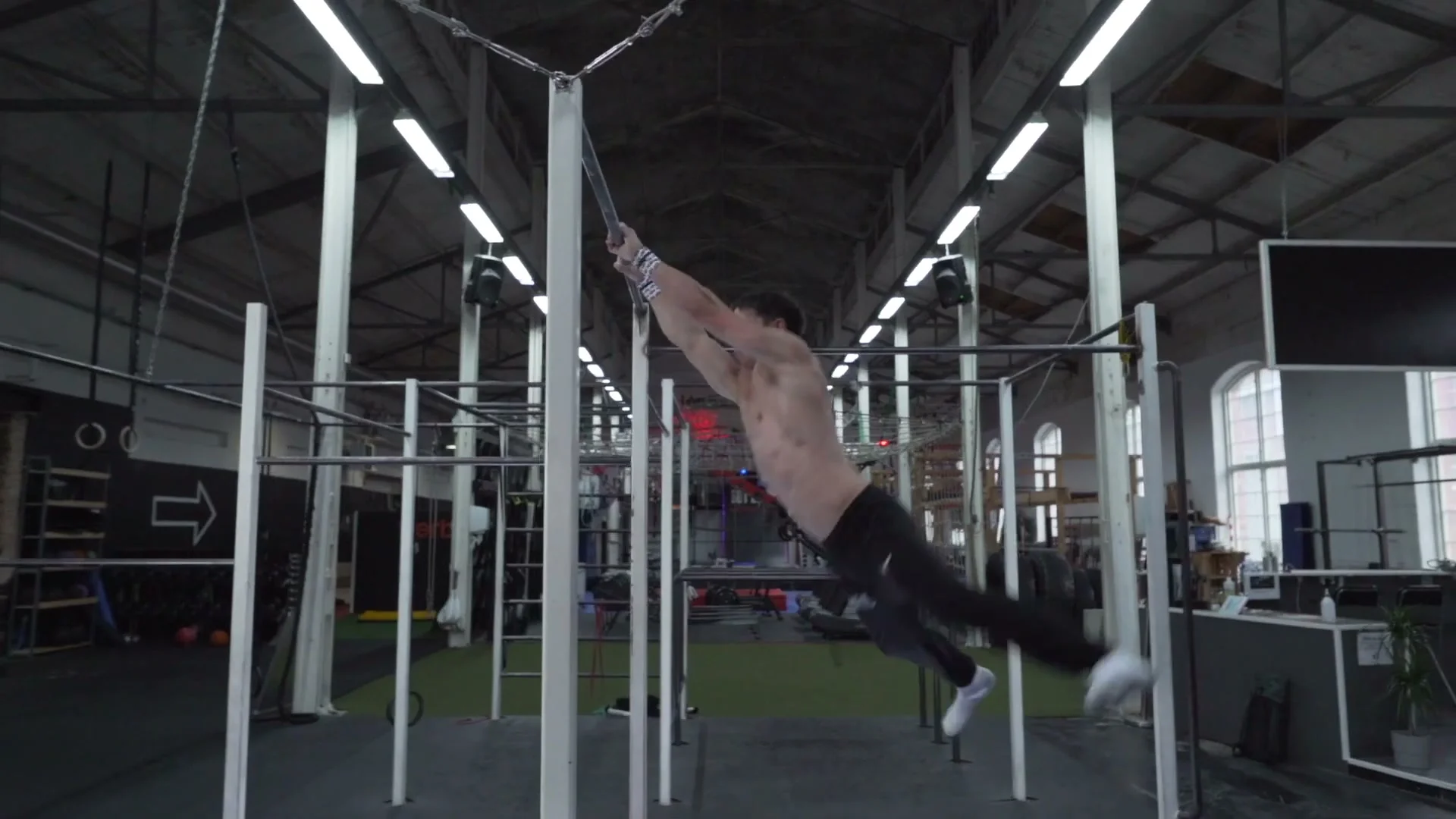
After the uppercut catch, rotate the shoulders immediately. Kick the lead leg forward, let it follow backward behind you, and begin the same rotation as the first 360. The goal for the second spin is to land facing the bar. When you can see the bar before you land, you are ready to tap or catch it to finish the double.
This technique scales directly. The same approach works for triples and quadruples: each catch uses the uppercut to launch the next rotation.
Step 7: Full Commitment
All seven steps have been covered. The only thing left is to commit to the full move. Start with tapping through all rotations before attempting full catches. When the timing of both catches is consistent on taps, add the grips.
Practice makes the pattern permanent. The more clean full attempts, the faster the body automates the direction change, the uppercut, and the shoulder rotation into one fluid sequence.
Training Tips
Learn on a high bar with enough clearance for full rotations. A low bar limits the swing height and therefore the available momentum for the second spin.
Train the hip direction change in isolation. Just swing, execute the twist and reverse, and get off the bar. Feel what the direction change does to the swing momentum without adding the rotation. When the direction change produces noticeably more speed, the body has understood the pattern.
Use mats during the catch attempts. A missed mixed grip at speed on a high bar has a real landing consequence. Mats during the learning phase make failed attempts less costly.
Do not skip from the first rotation to the full double. Work through the mixed grip touch, then the mixed grip catch, then the uppercut launch, before putting everything together. Each step produces a consistent feeling before the next is added.
Frequently Asked Questions About the Double 360
Do I need the tornado 360 before learning the double 360?
Yes. The tornado 360 teaches the hip direction change that the double 360 is built on. Attempting the double without the tornado means learning the direction change and the double simultaneously, which significantly slows both. Get the tornado consistent first.
What is the mixed grip in the double 360?
The mixed grip is the catch between the two rotations where one hand grips overhand and the other grips underhand. The lead arm goes over the head and catches overhand, and the trailing arm comes from underneath and catches underhand. The grip is practiced on a low bar before it is attempted mid-spin on a high bar.
What is the uppercut and why does it matter?
The uppercut is the motion of the hand coming from underneath during the mixed grip catch. Instead of simply grabbing, the hand drives upward in an uppercut motion as it makes contact. This actively launches the second rotation rather than creating a full stop. Without the uppercut, the second spin starts from a dead stop and the momentum from the first rotation is wasted.
Why does the lower body need to go further back on the backswing?
The lower body lagging behind the upper body on the backswing creates a loaded position. When the swing comes forward, that loaded lower body drives forward with more force. More forward force from the lower body produces more rotational speed, which is needed to sustain two full rotations. A standard even swing produces enough momentum for one rotation but not reliably for two.
Can I use this technique for triples and quadruples?
Yes, directly. The uppercut catch and the direction change scale to any number of rotations. Each catch uses the same uppercut motion to launch the next spin. Pauls specifically states in the tutorial that this also applies to multiple 360s. Get the double consistent before attempting triples.
Should I start tapping or catching the bar?
Always start by tapping. Tapping confirms the timing and the mixed grip position before the full catch is attempted. A tap that consistently lands in the right grip position means the timing is right. Move to catching after the tap is consistent. Attempting full catches before the timing is established slows progress and increases the risk of missed catches at speed.
How long does it take to learn the double 360?
It depends entirely on the quality of the existing swing 360 and tornado 360. Athletes with both solid and consistent can often get a first mixed grip catch within a few sessions of focused work on steps 2 through 5. Completing a full double 360 with a caught second rotation typically takes several weeks of regular practice. The uppercut catch and second rotation are what take longest to automate.
Daniel Flefil
Calisthenics coach with 11 years of experience, co-founder of Calixpert, and organizer of Beast of the Barz, one of the world's largest calisthenics competitions. Based in Stockholm. I write about training, equipment, and everything that goes into building a serious calisthenics practice.
More about Daniel →