Daniel Flefil
December 17, 2021 · 8 min read
The FitnessKit LIFT Dream Machine arrives in a single transport bag and looks almost too simple for what it promises. The core claim is that it removes 50% of your bodyweight when training planche, front lever, maltese, and other high-level calisthenics skills. Whether that works depends almost entirely on one component: the harness. FitnessKit is a German calisthenics equipment brand, and in this review I tested the Dream Machine covering unboxing, assembly without instructions, harness comfort under load, the 50/50 ring method, and the precision weight-reduction setup. By the end, you will know whether this machine justifies the investment and fits your current training level.
Watch the Full Review
What's in the Box
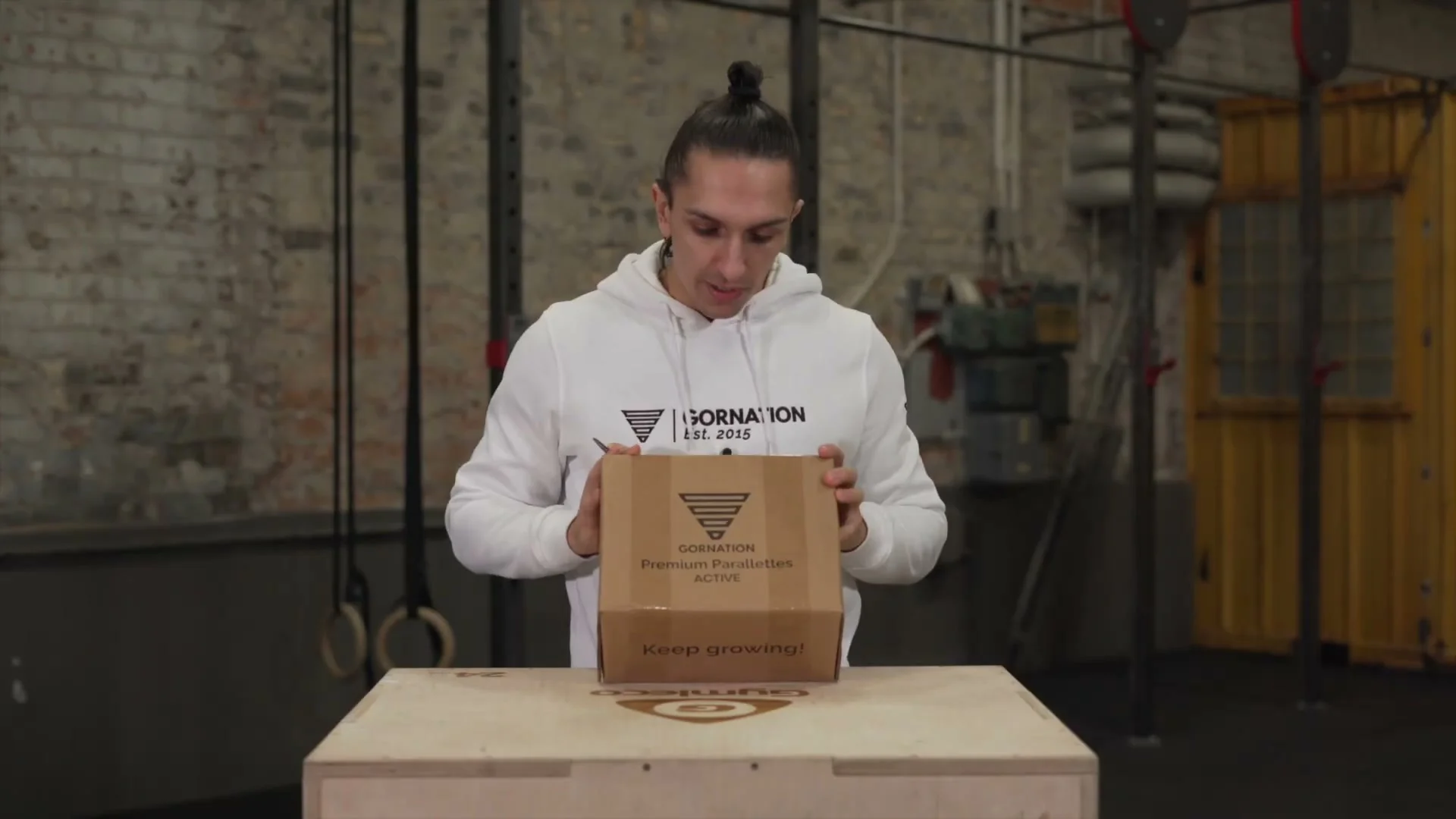
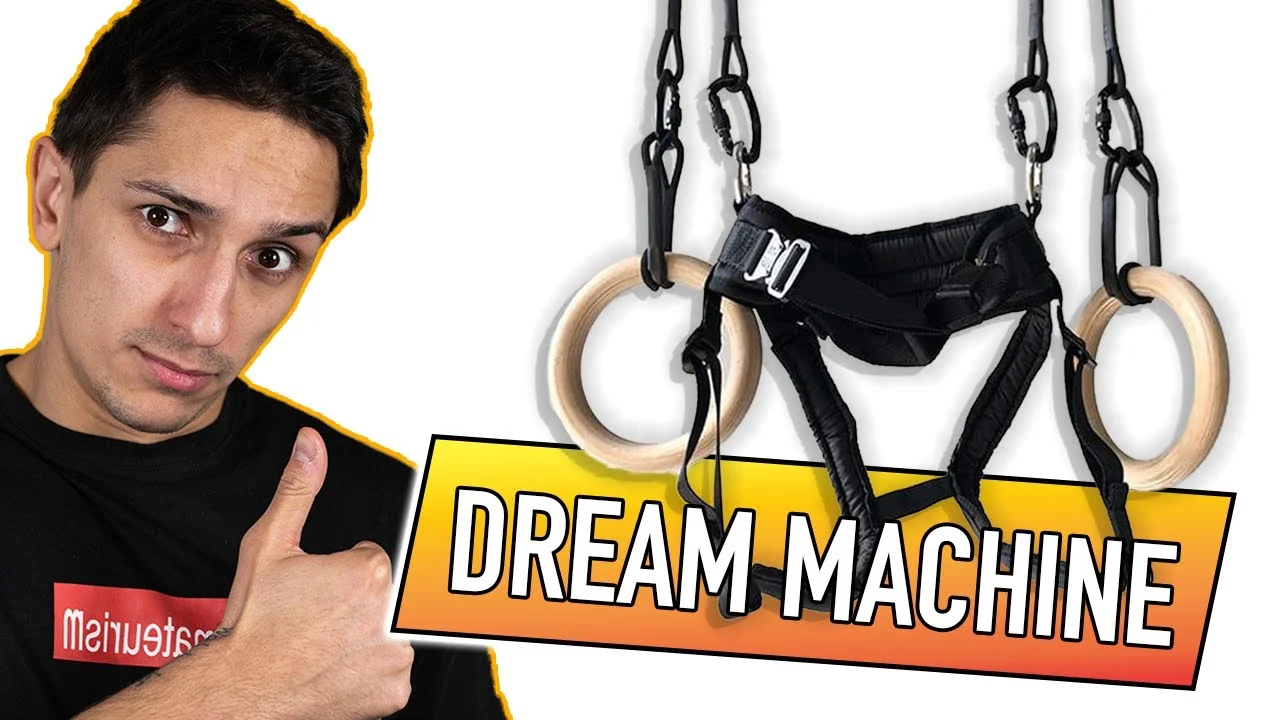
Opening the transport bag reveals more components than expected. The kit includes a hip belt harness, two long ropes, four short ropes, six mountaineering-grade carabiners, two dual ball-bearing pulleys, a pair of wooden gymnastic rings, ring straps, and the transport bag itself.
| Spec | Value |
|---|---|
| Long ropes | 2x, 1.6 m length, 8 mm diameter |
| Short ropes | 4x, 0.5 m length, 8 mm diameter |
| Carabiners | 6x, mountaineering-grade, no sharp edges |
| Pulleys | 2x, dual ball-bearing |
| Ring outer diameter | 23.5 cm |
| Ring thickness | 32 mm |
| Ring straps | 1 pair, 3.5 cm wide, 2.4 m long |
| Hip belt sizes | S-M (65-95 cm hip), L-XL (75-120 cm hip) |
| Price | 198.00 EUR |
One issue is immediately clear: no instructions are included. FitnessKit ships the Dream Machine with no setup guide. Their website has a reference image showing the correct configuration, but the site is primarily in German. First-time assembly requires working from the product photos or contacting FitnessKit directly via their website chat.
Who it is for: Athletes training at a gym or outdoor rig who want to start conditioning for planche, front lever, or maltese and are comfortable rigging their own setup.
Key Takeaway
The Harness: Where the Machine Lives or Dies
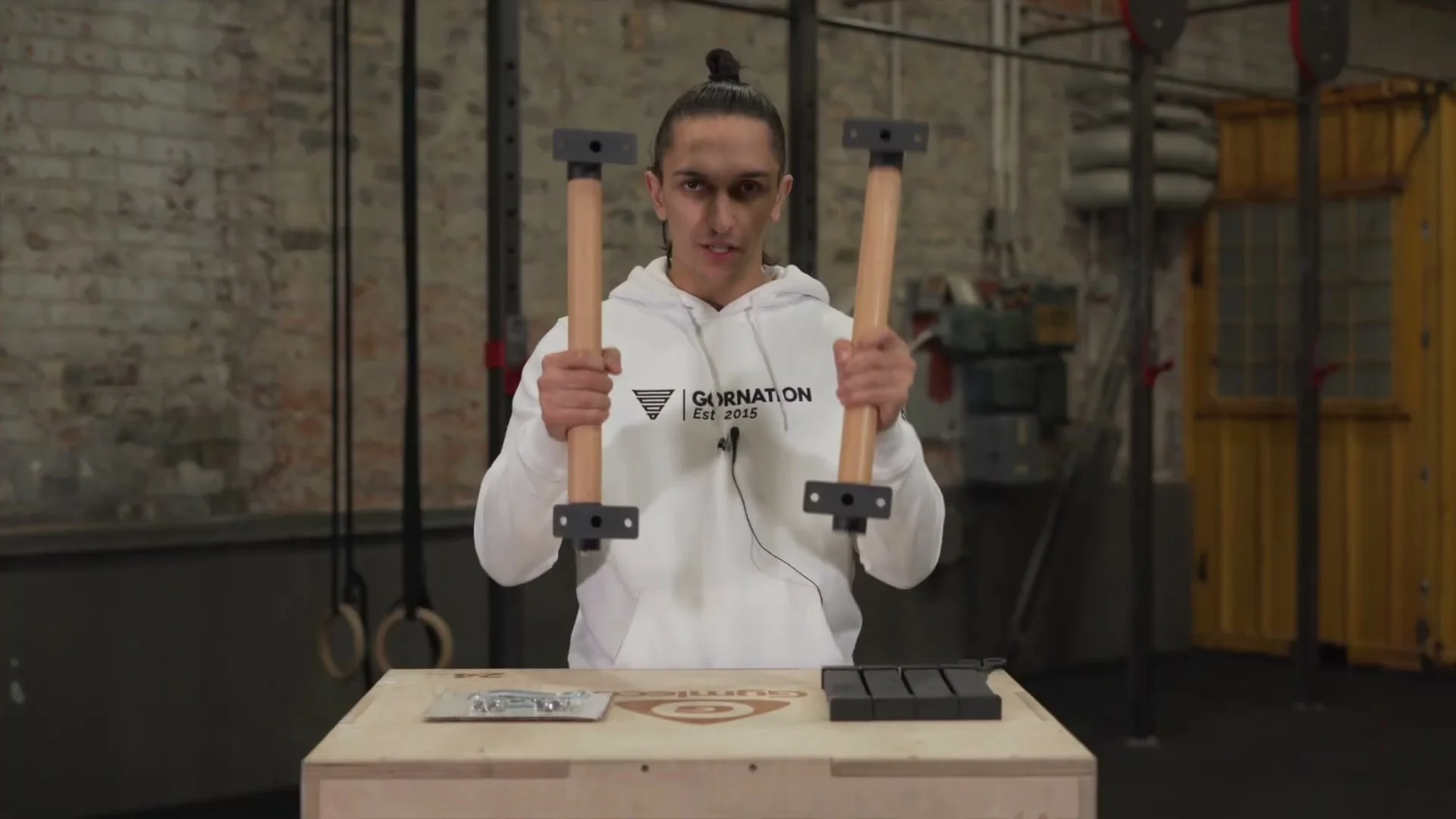
The harness is the part that separates the Dream Machine from a DIY setup. Carabiners, ropes, and rings are all available at a sports store. Finding a harness comfortable enough to wear during heavy static holds is the real challenge, and it is the reason this product exists.
The padding is thick and covers a wide surface on each hip. There are no hard plastic edges against the body. Two quick-release buckles make it fast to put on and remove between sets. Wearing it for the first time, the weight distributes across the hips without pinching or digging in during a planche position.
| Spec | Value |
|---|---|
| Closure | 2x quick-release buckles |
| Size S-M | 65-95 cm hip circumference |
| Size L-XL | 75-120 cm hip circumference |
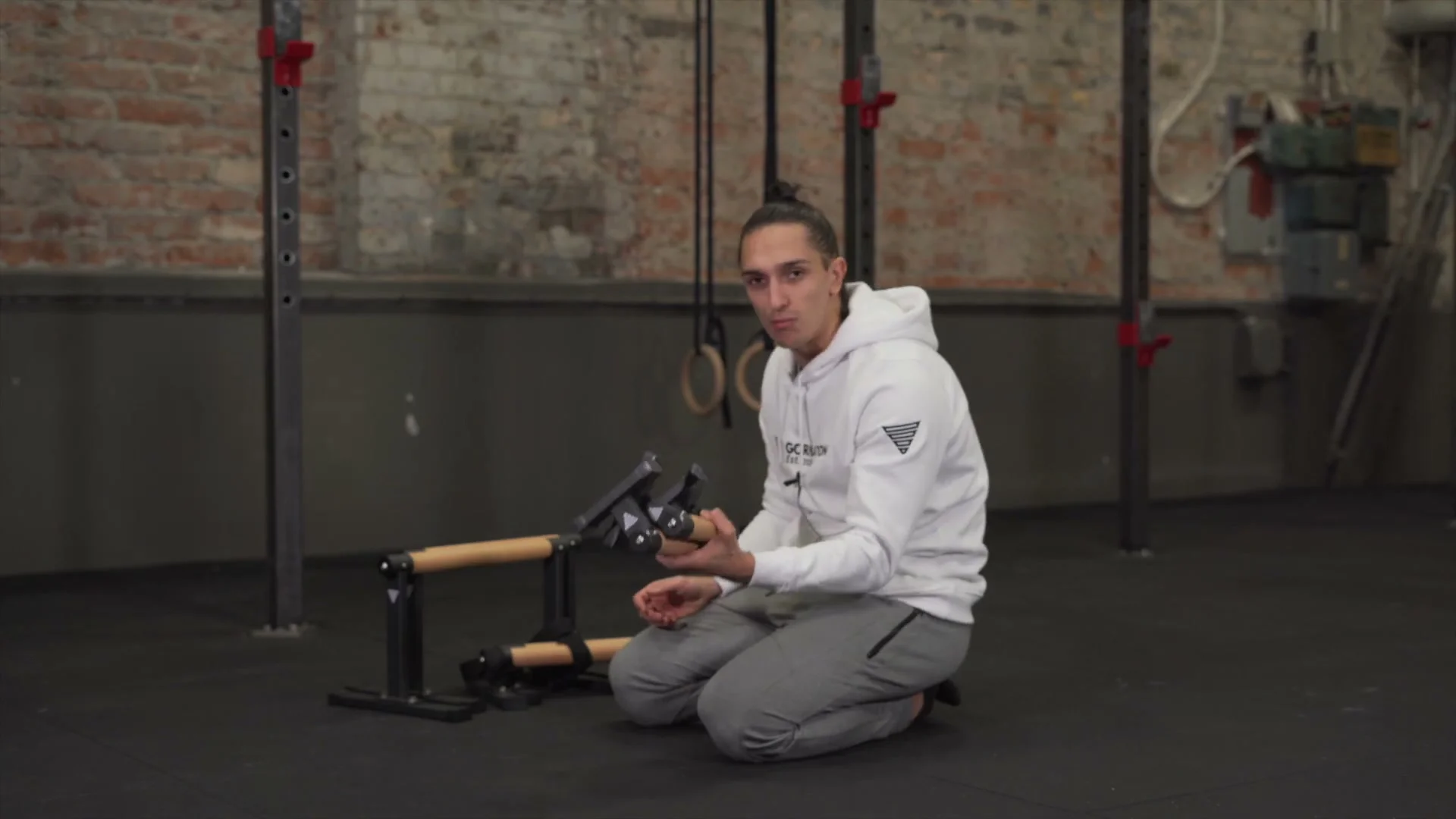
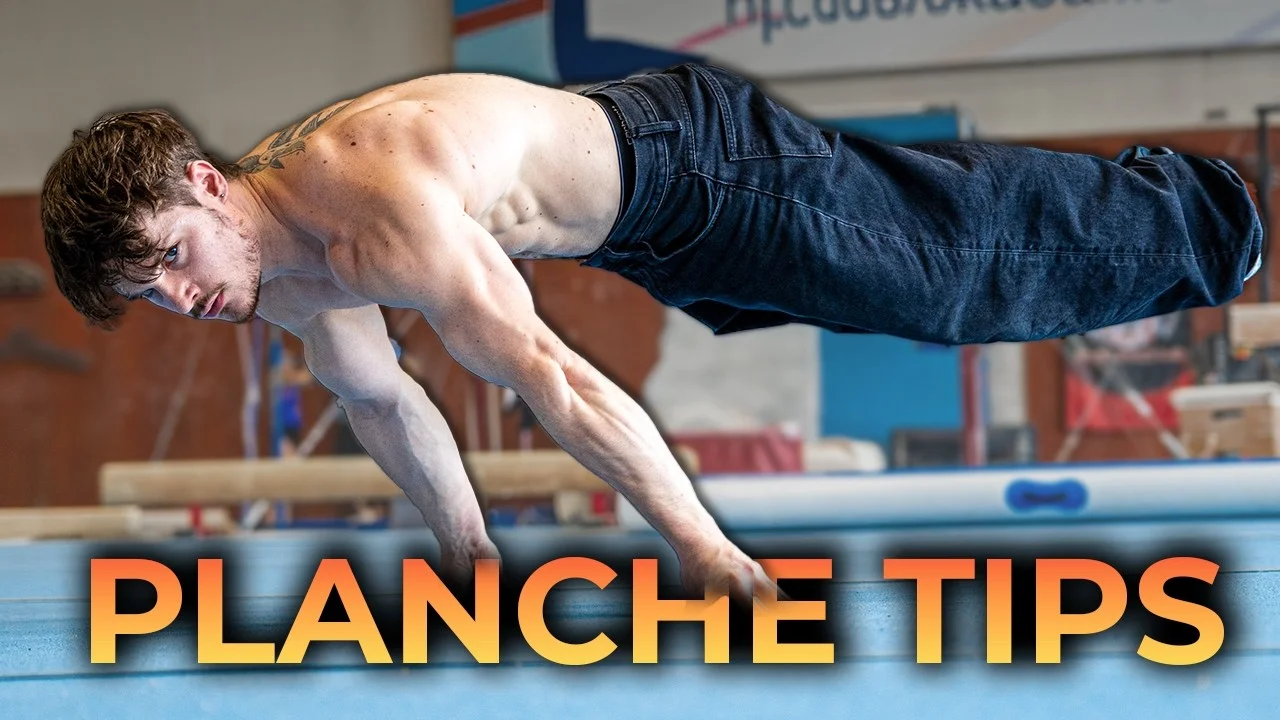
Testing it under load confirmed the design. Holding a planche position, the harness stays in place and the buckles do not shift. There is no feeling that the connection will release under bodyweight. The padding holds position throughout the hold without riding up or pressing into bone.
Who it is for: Any level of athlete looking for the harness specifically. The sizing covers most adults, and the comfort means you can concentrate on the skill rather than the equipment.
Key Takeaway
The Rings and Hardware
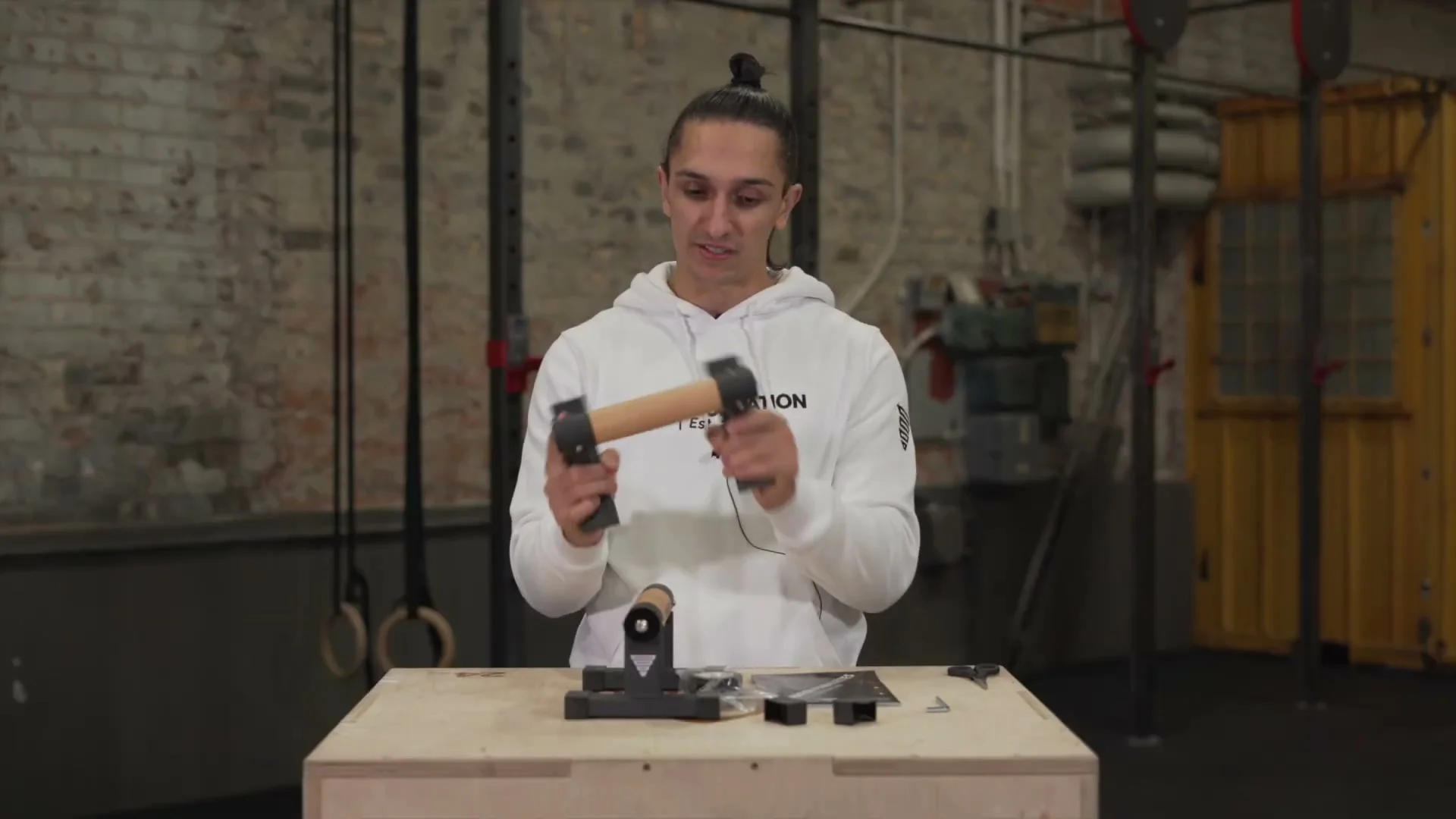
The wooden rings are standard gymnastic ring dimensions. The 23.5 cm outer diameter and 32 mm thickness put them on the thicker end, which is preferable for grip during static holds. The 2.4 m straps are long enough for most bar heights.
The six carabiners are mountaineering-rated with no sharp edges. The dual ball-bearing pulleys make the 50/50 system smooth throughout the range of motion, which matters during dynamic movements like muscle-ups. A pulley with friction would create inconsistent tension and affect the feel of the skill.
Who it is for: Athletes who do not already own rings and want a complete all-in-one setup for assisted ring skills and 50/50 training.
Key Takeaway
How the Two Training Methods Work
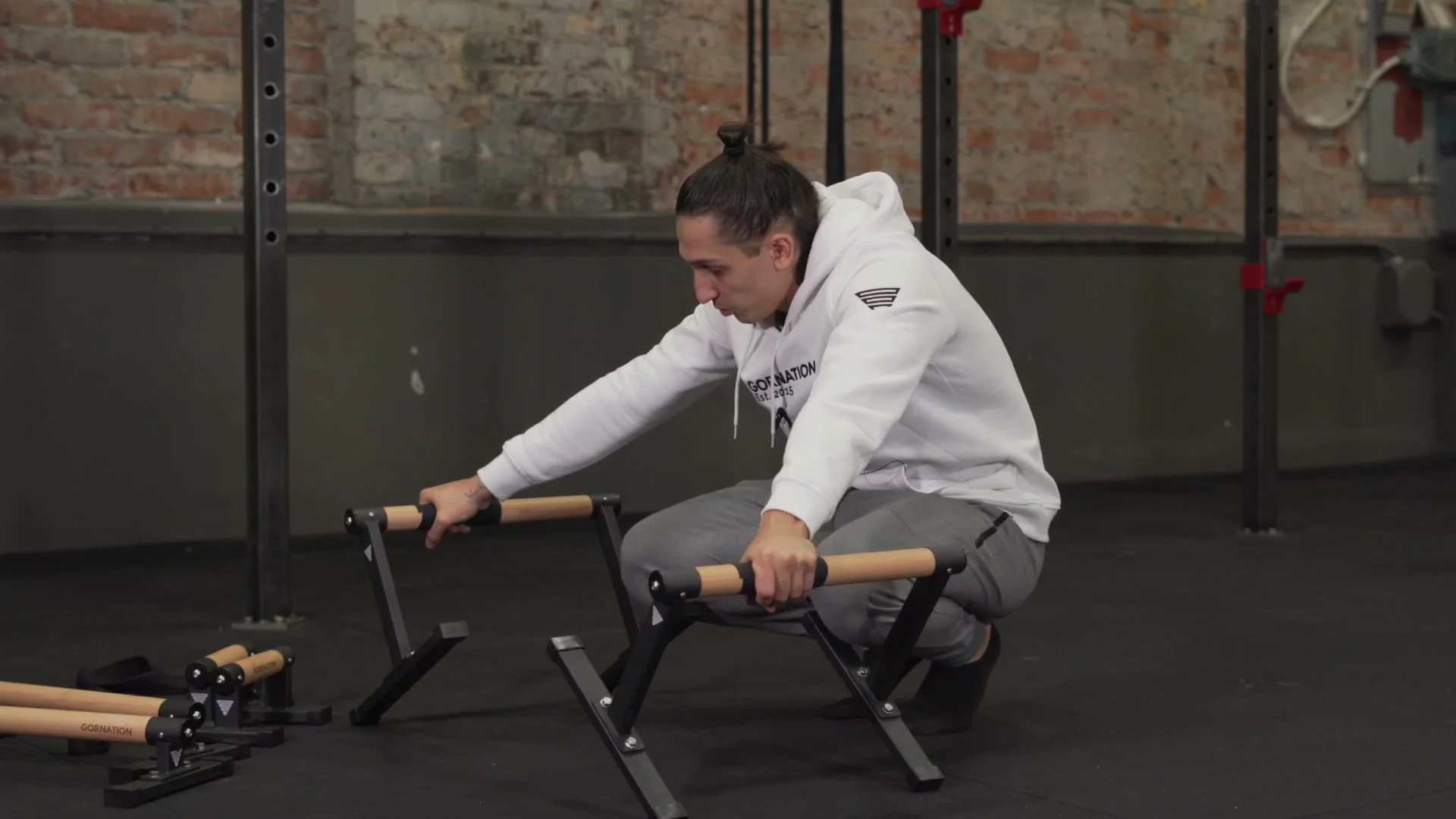
The Dream Machine supports two training methods that serve different purposes.
The 50/50 method uses the rings. You hang the rings through the pulley system, clip the harness into the ropes, and hold the rings while training the skill. The pulley geometry removes approximately 50% of your bodyweight. This is useful for learning positions and building initial conditioning without needing to calculate the exact load.
The weighted method gives you precise control. Instead of holding rings, you clip a weight plate or plates directly to the harness and grip a bar. You choose the exact assistance: 10 kg, 5 kg, 2 kg. This is the more useful method for structured progression because you can reduce the weight in specific increments and track your improvement over time.
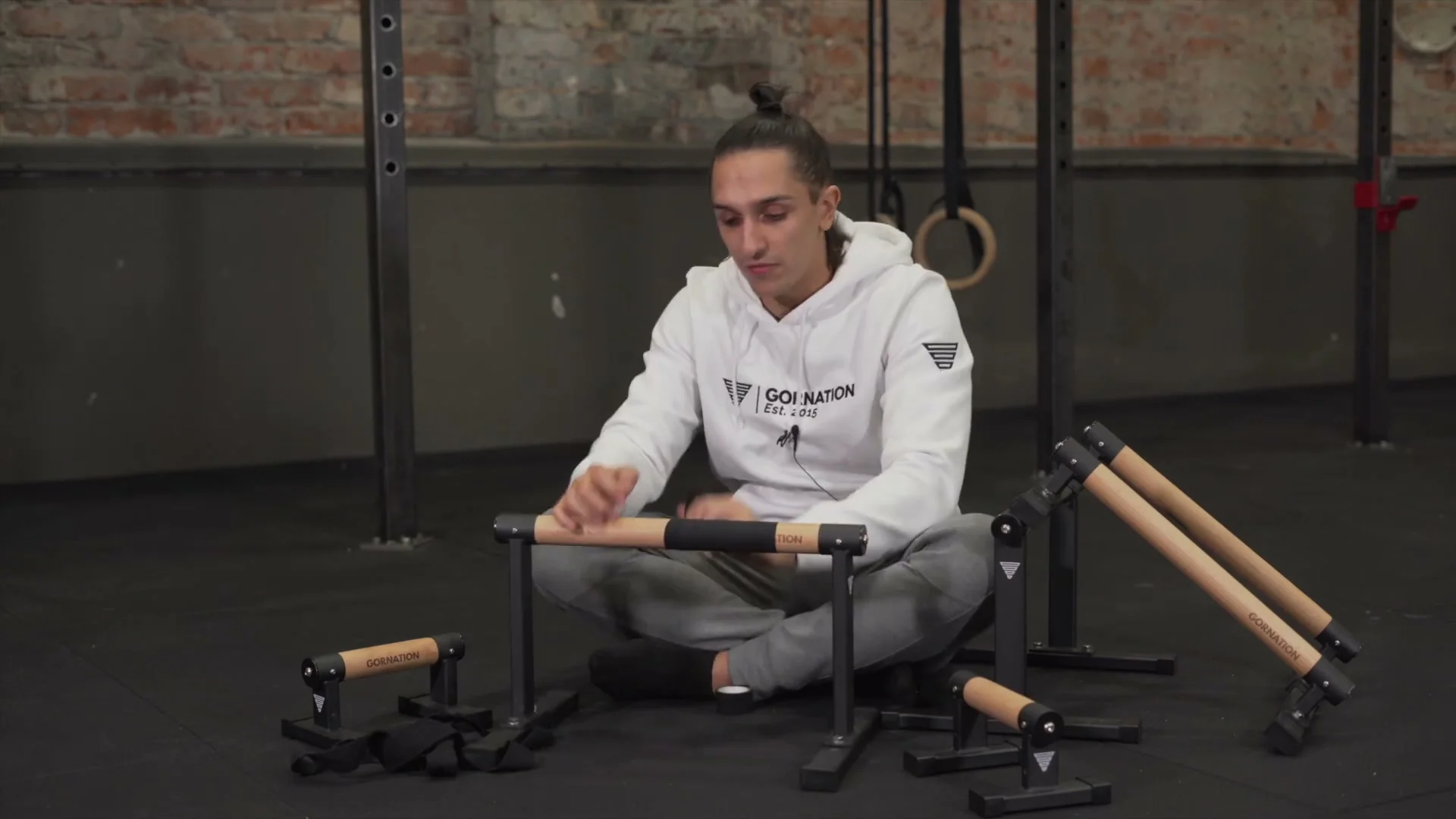
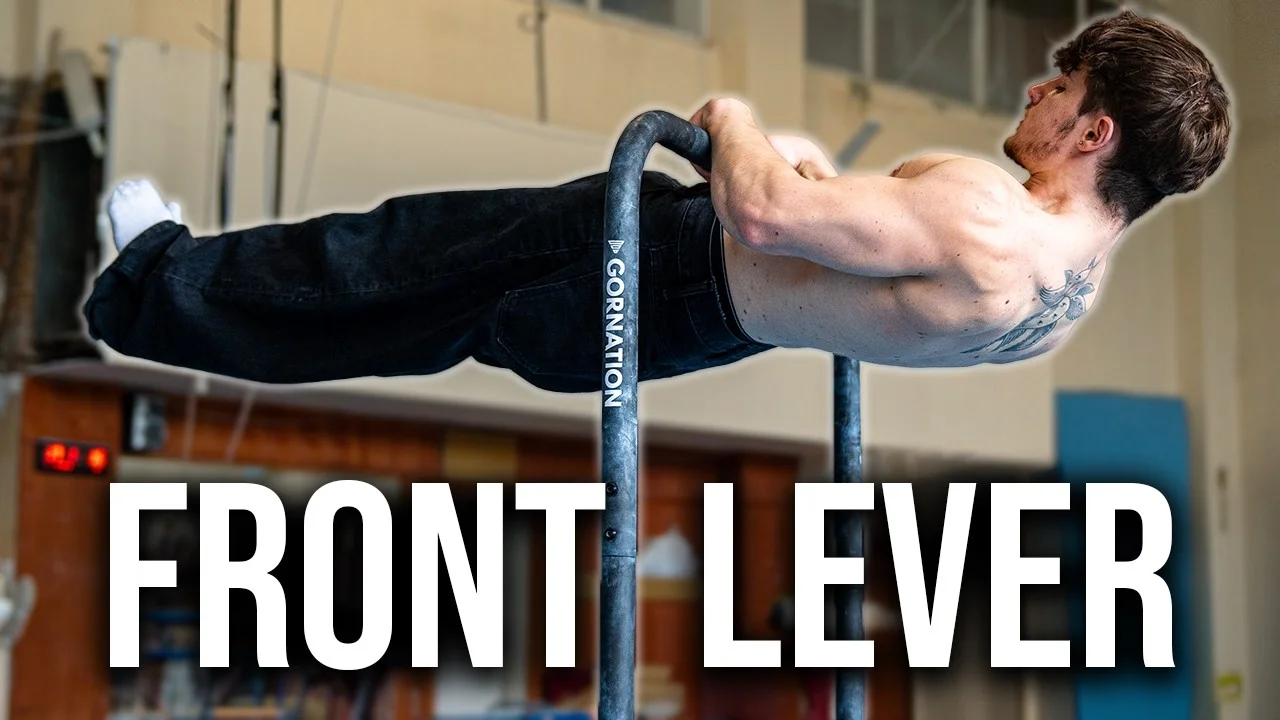
The machine is not limited to planche. You can use it for muscle-ups, handstand push-ups, impossible dips, front lever, maltese conditioning, iron cross, and the victorian. For athletes working toward multiple advanced skills, that range of application changes the value of the single purchase.
Key Takeaway
Which Setup Should You Use?
If you are new to 50/50 training and your goal is to feel what a planche or front lever position should be, start with the ring method. It gives you the biggest reduction in load and lets you focus on body positioning without managing weights.
If you are already training the planche and front lever and want to track progression precisely, use the weighted method. Set a starting point at 10 kg or 15 kg of assistance, hold the position with good form, and reduce the weight in small increments over weeks or months. This approach gives you a measurable gap to close before achieving the unassisted skill.
The Dream Machine is not essential equipment. Many athletes have achieved planche and front lever without a 50/50 system. But what it offers that nothing else does is a clear, measurable answer to one question: how close am I? That kind of feedback is worth the investment if you are seriously training advanced skills and train at a bar regularly. Check the video description for Daniel's discount code from FitnessKit.
Pricing Overview of the FitnessKit LIFT Dream Machine
Current pricing for the FitnessKit LIFT Dream Machine, available in two hip belt sizes.
| Product | Price |
|---|---|
| FitnessKit LIFT Dream Machine (S-M) | 198.00 EUR |
| FitnessKit LIFT Dream Machine (L-XL) | 198.00 EUR |
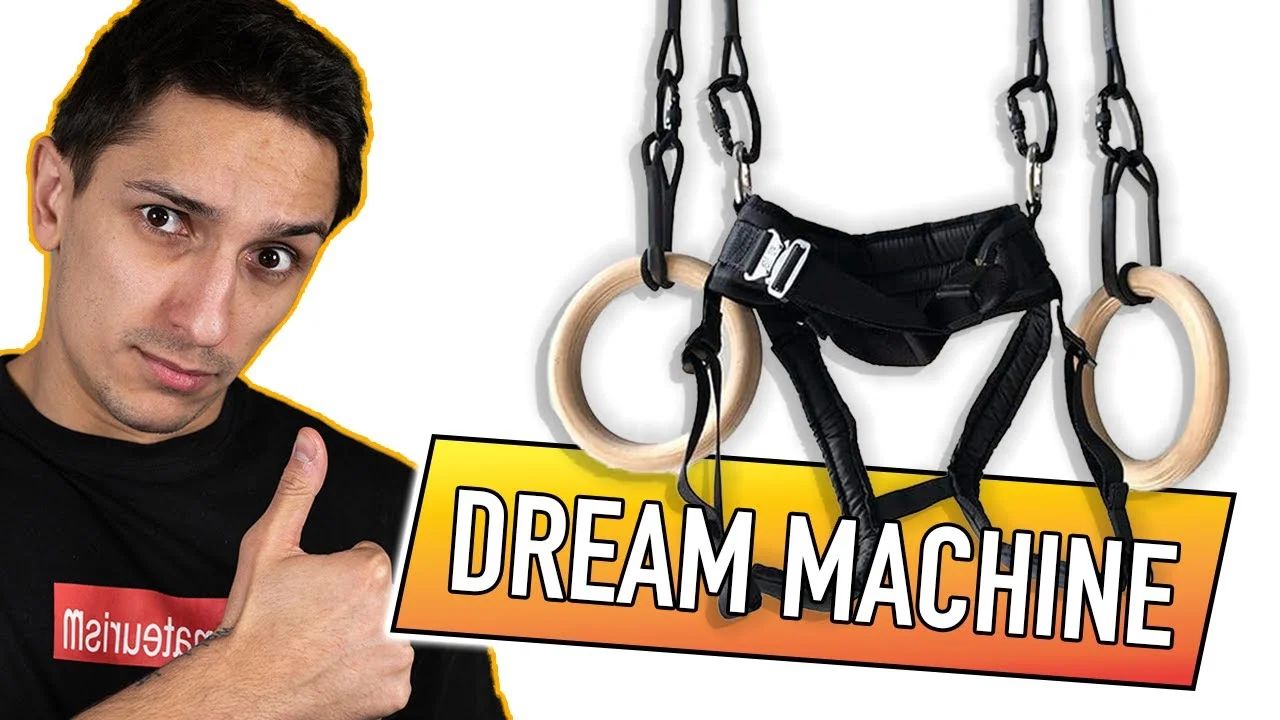
FitnessKit LIFT Dream Machine
Get it here →We earn a commission if you make a purchase, at no additional cost to you.
Frequently Asked Questions About the FitnessKit LIFT Dream Machine
What is the 50/50 method for calisthenics?
The 50/50 method uses a pulley and harness system to remove approximately 50% of your bodyweight during a skill. You hold the rings while wearing the harness, and the pulley geometry counterbalances half your weight. This lets you train planche, front lever, and maltese at a reduced load before you can hold the full skill unassisted.
Can beginners use the FitnessKit Dream Machine?
Not effectively. The Dream Machine is designed for athletes already working toward advanced skills like planche or front lever. If you are at the beginner level, focus on hollow body holds, tuck planche leans, and scapular strength before adding assisted skill training.
Does the FitnessKit Dream Machine come with instructions?
No. The package includes no setup guide. You need to figure out assembly from the product photos on the FitnessKit website or by contacting FitnessKit directly. The website is primarily in German, which adds friction for international buyers.
Is the harness comfortable during a planche hold?
Yes. The hip belt is wide with thick padding and does not dig into the hips during horizontal holds. The quick-release buckles stay secured under load. The harness is the best component in the kit.
What bar or setup do I need for the Dream Machine?
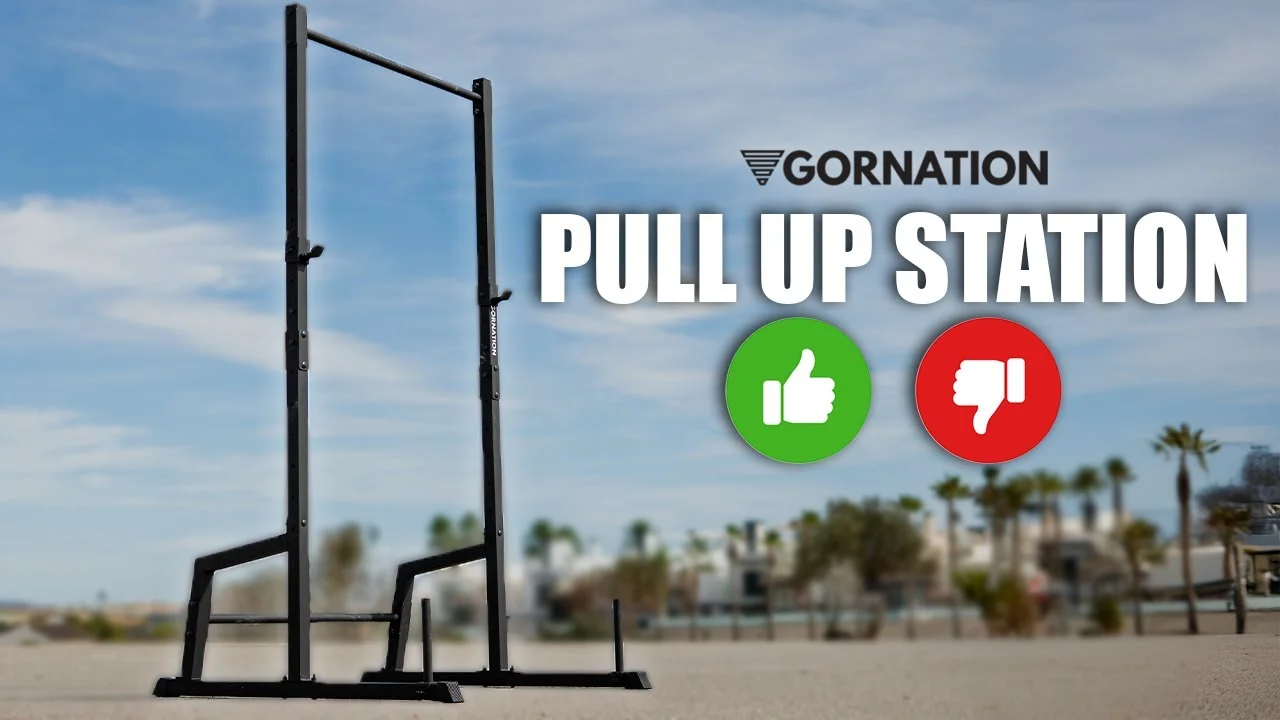
You need a free-standing bar or rig where the bar extends away from the wall. A wall-mounted bar limits your range of motion for planche and front lever because you will hit the wall with your legs in a horizontal position. A free-standing pull-up station or a squat rack with a pull-up bar attachment works well.
Can I use the Dream Machine for skills other than planche?
Yes. The setup supports front lever, maltese, muscle-up, handstand push-ups, impossible dips, iron cross, and the victorian. Any skill where reducing effective bodyweight helps you condition toward the full movement can work with this machine.
How does the Dream Machine compare to using resistance bands for planche training?
Resistance bands provide variable tension that changes through the range of motion. The band pulls harder at the start and less at the end. The Dream Machine provides a consistent reduction throughout the hold, which is more accurate for static skills. The weighted method also lets you measure and reduce assistance in specific increments, which bands do not allow.
Daniel Flefil
Calisthenics coach with 11 years of experience, co-founder of Calixpert, and organizer of Beast of the Barz, one of the world's largest calisthenics competitions. Based in Stockholm. I write about training, equipment, and everything that goes into building a serious calisthenics practice.
More about Daniel →