
Daniel Flefil
March 29, 2020 · 4 min read
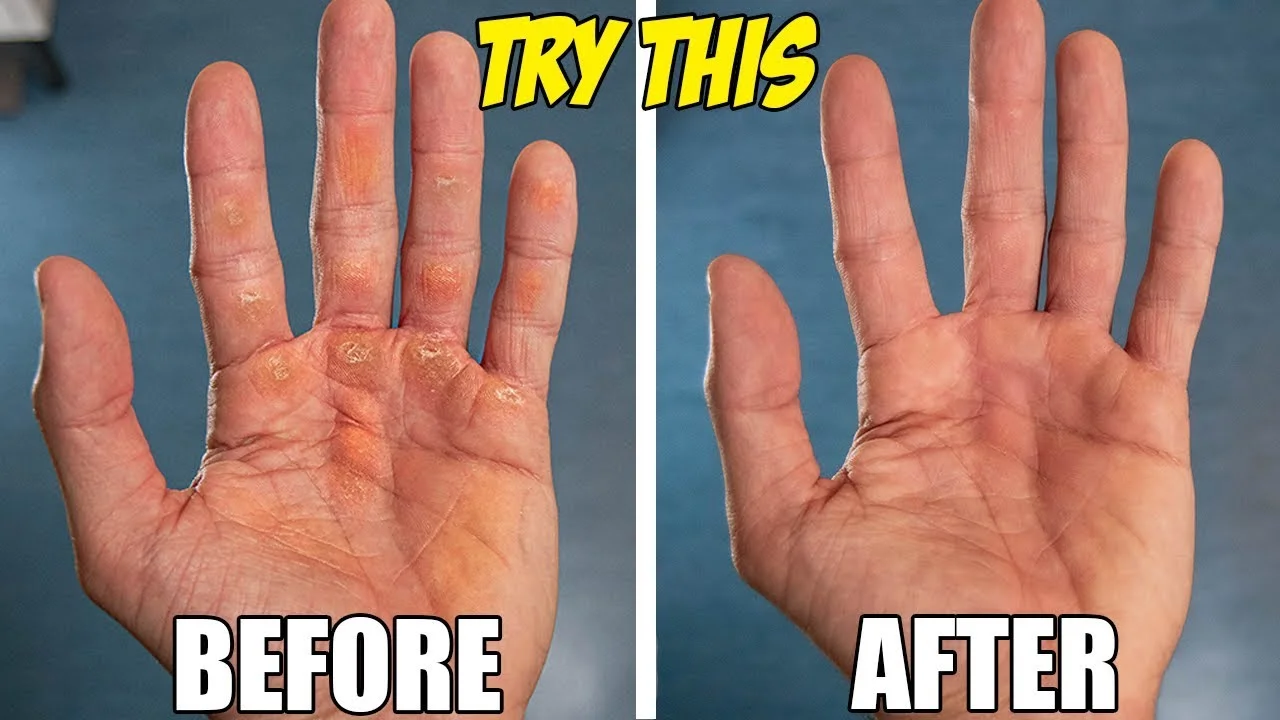
Hand calluses come with bar training. If you hang on a bar, swing, do pull-ups, or swing 360s, your hands will build calluses and they will hurt in the early stages. That is normal and cannot be skipped. What can be managed is how big those calluses get, how often they rip during training, and how quickly they recover between sessions. In this video I share the three-step routine I have used since I started calisthenics, the two tools it requires, and two extra tips that reduce ripping frequency. All of it can be done at home with tools that cost almost nothing.
Watch the Full Tutorial
Why Calluses Form and What the Goal Is
Calluses are patches of thickened skin that build up on the palms and fingers where the bar creates friction and pressure during hangs, swings, and pulls. The skin thickens as a protective response. That protective layer is not the problem. The problem is when calluses grow into raised ridges and peaks, because those peaks catch on the bar during movement and tear. The goal of hand care is not to remove calluses completely, but to keep them flat and smooth so they grip the bar without snagging.
Beginners starting bar training for the first time will have pain regardless. The skin needs time to adapt. A hand care routine does not eliminate that adaptation phase, but it does shorten the time spent in discomfort and reduces how severely the calluses interfere with training once they form.
What You Need
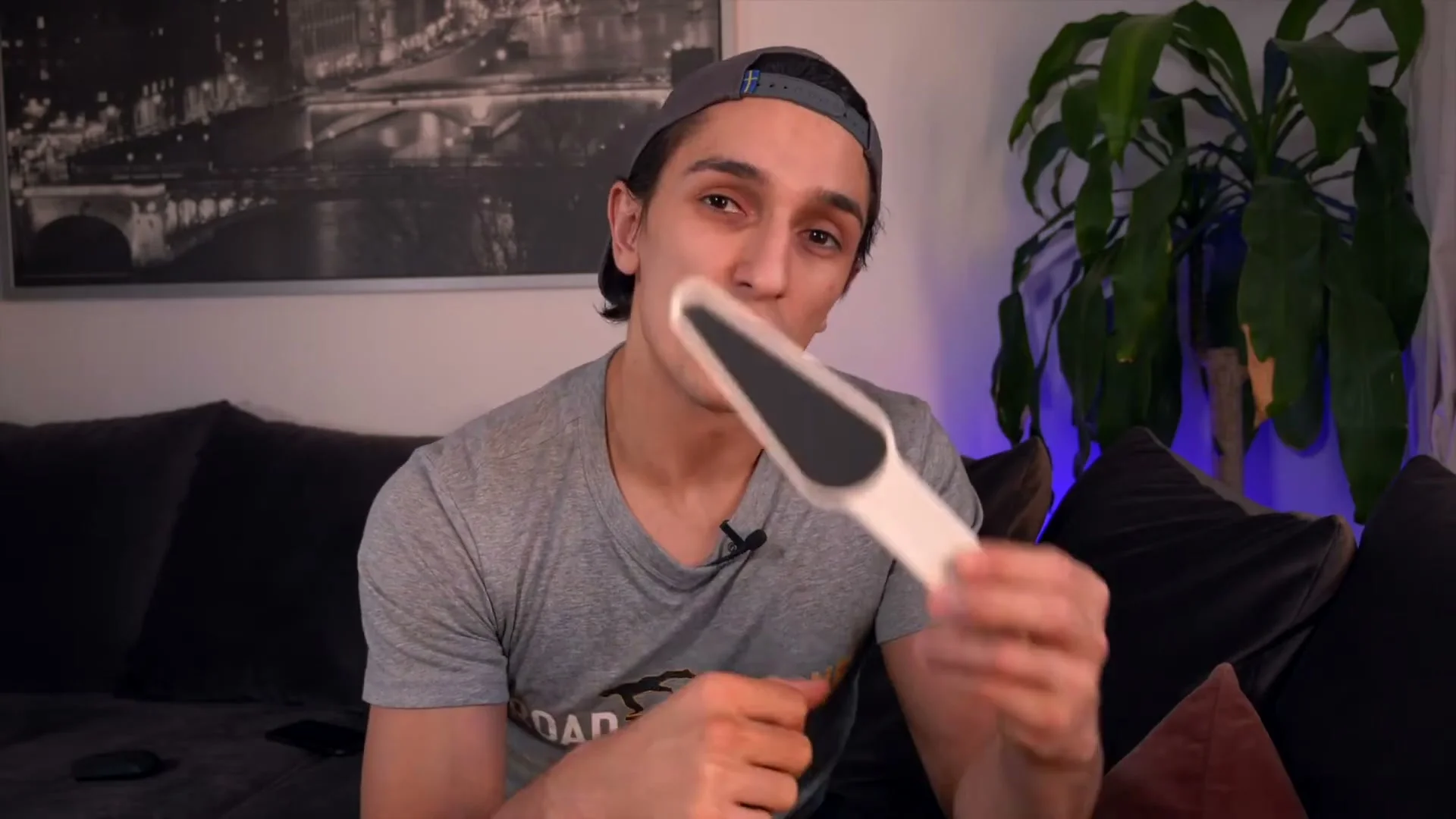
Two tools cover everything in this routine: a foot file and a nail clipper. A foot file (also called a pumice paddle) is the primary tool. It scrubs down the surface of the calluses without cutting. The nail clipper handles larger raised peaks that the file alone cannot flatten. Nothing else is required to manage calluses effectively.
An optional addition is a repair lotion such as WOD Repair Lotion. This is not a replacement for the routine and is not used every day, only when the hands are particularly sore or recovering from a tear.
The 3-Step Routine
Step 1: Wash Hands Right After Training
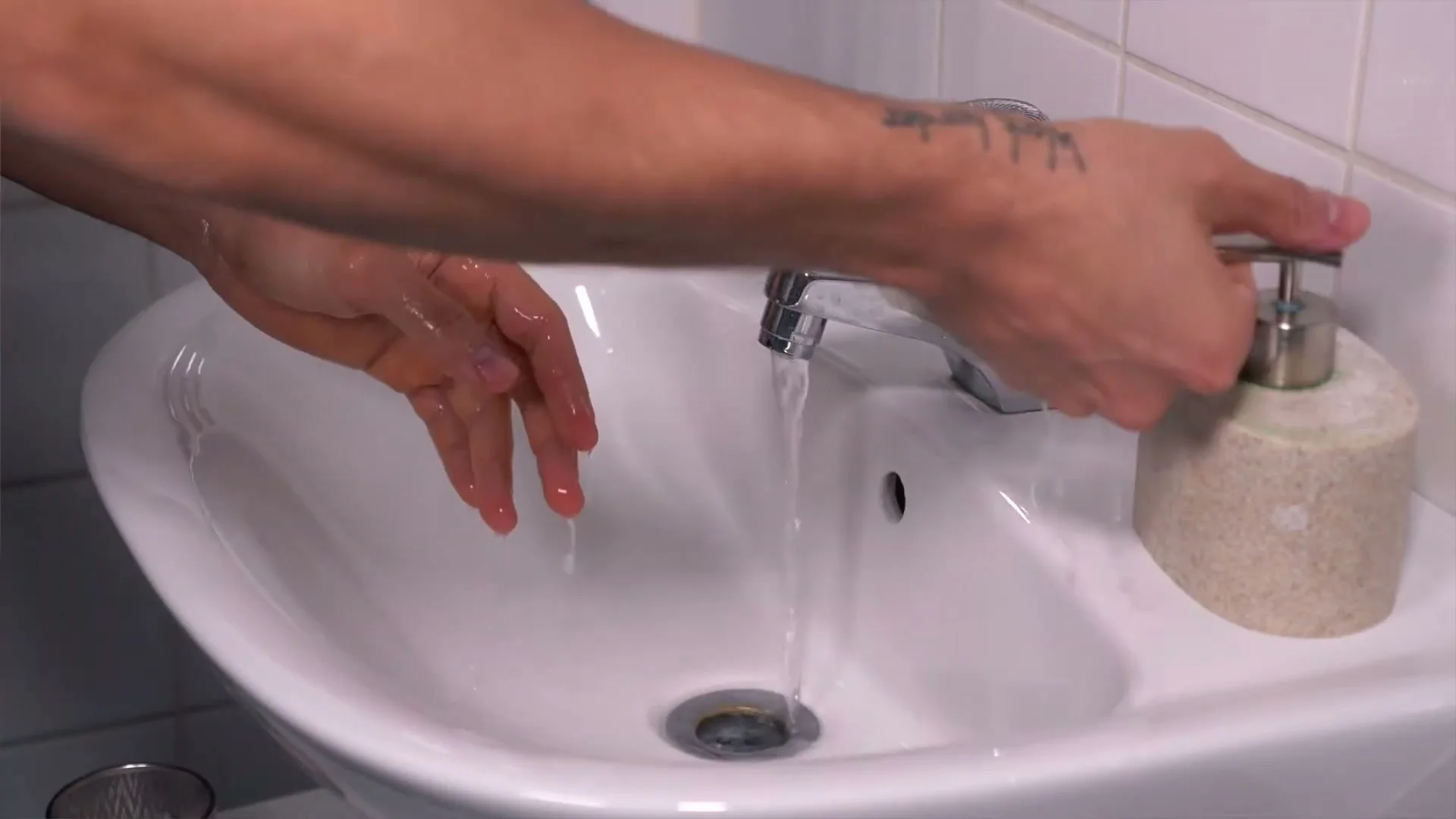
As soon as the training session ends, wash the hands. This step matters most when chalk has been used. Chalk draws moisture out of the skin and leaves residue that dries into the callus surface if it sits there until a shower. Washing immediately after training removes the chalk and keeps the skin from drying more than necessary.
Step 2: Soak and File in the Shower
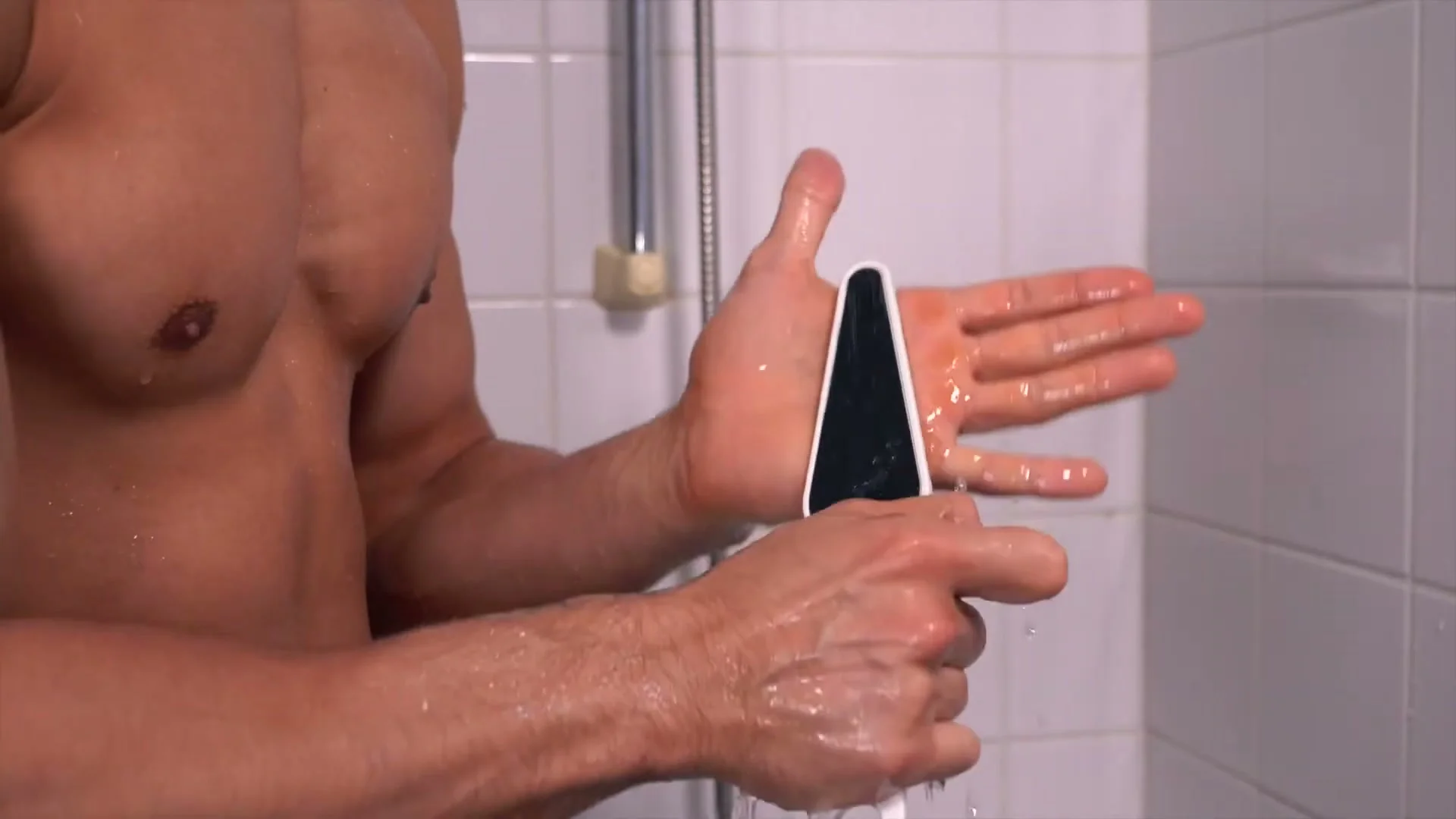
During the shower, let the hands soak for a few minutes under warm water. Wet skin is significantly softer and more responsive to filing than dry skin. Once the hands have soaked, take the foot file and scrub the callus areas. The calluses build up mostly at the base of the fingers and in the middle of the palm for athletes who swing on the bar frequently.
Scrub, then rinse the file and hands. Repeat until the surface feels smoother and the raised peaks are reduced. The goal is not to sand the skin flat: it is to reduce the height of the callus ridges. Some thickness should remain. It is the protective layer. Only the excess above flat needs to come off.
Step 3: Cut Raised Peaks With a Nail Clipper
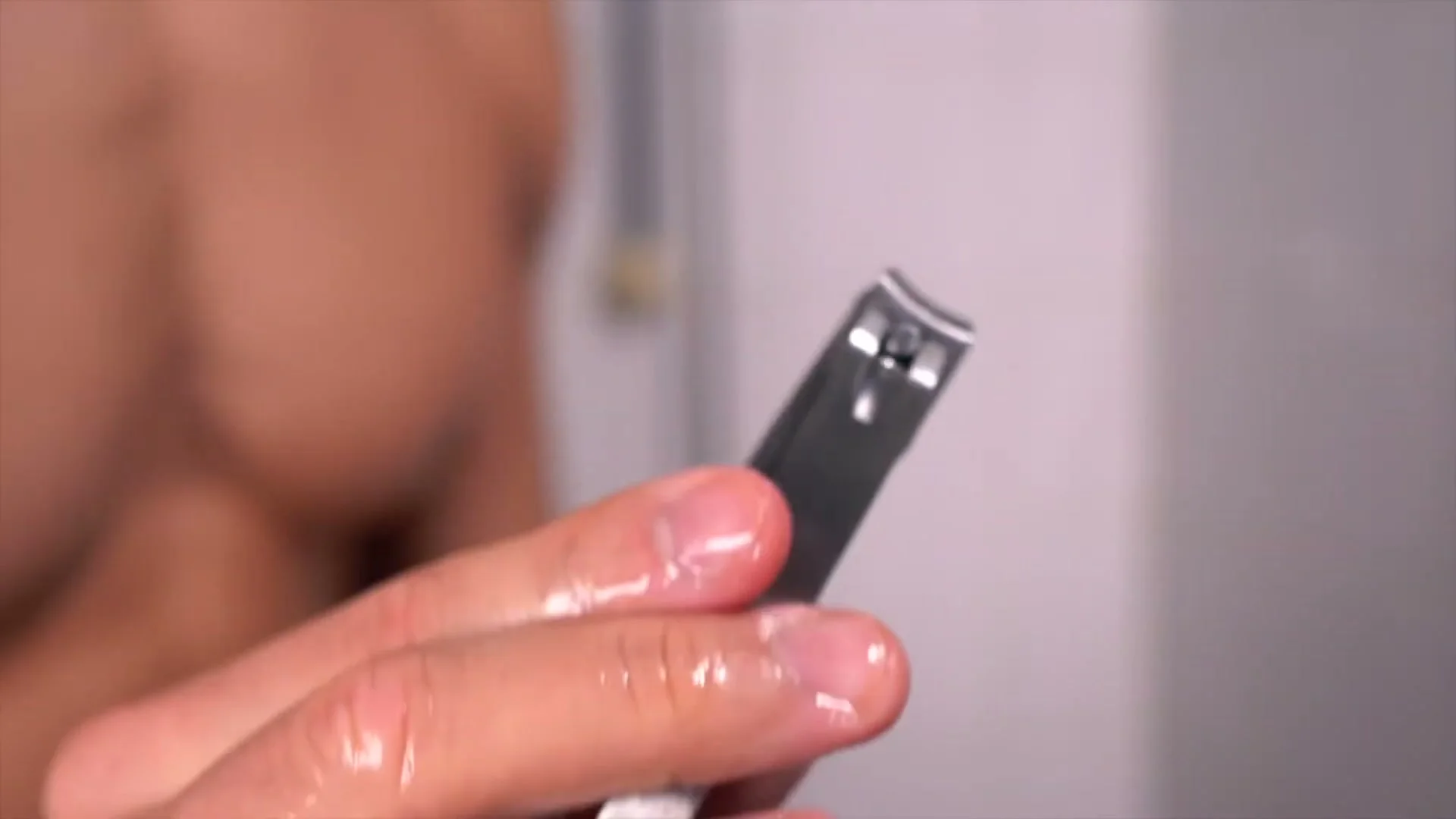
After filing, check for any calluses that have not smoothed out. If there are raised peaks that still stand above the surrounding skin, use the nail clipper to trim them flush. A nail clipper works better than scissors for this: it can reach deeper into the base of the callus and its small cutting edge gives more control than scissors blades.
After cutting, use the foot file again on the trimmed areas to smooth the edges. Wash the hands and the file clean. The routine is done.
Key Takeaway
Extra Tips
Drink enough water. Dehydrated skin is dry and brittle. Dry skin tears more easily than skin that is well hydrated. Drinking enough water between training sessions is not a skin care tip that sounds connected to calluses, but it directly affects how resistant the skin is to tearing under load.
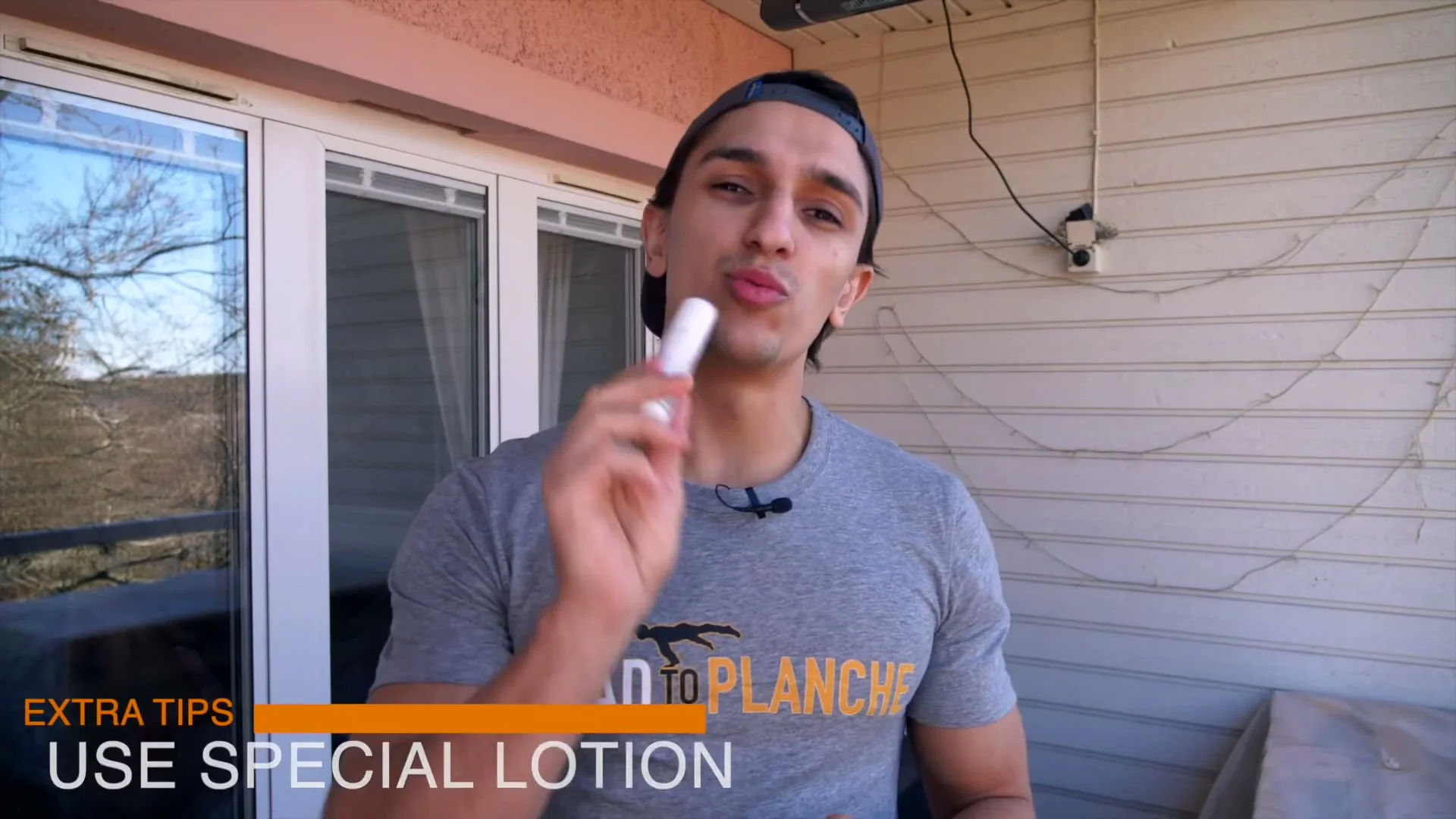
Use a repair lotion on bad days. A lotion designed for hand recovery, such as WOD Repair Lotion, can speed up the healing process when the hands are sore or have taken significant wear during a training session. This is not a daily application. Use it on the days when the hands hurt more than usual or are recovering from a minor tear. Other products that address dry or damaged skin will work similarly. The specific brand matters less than consistency.
Frequently Asked Questions About Hand Calluses
When should I start doing this routine?
Start as soon as you begin training on the bar regularly. Waiting until the calluses are already large makes the routine harder and longer. Managing them from the beginning keeps them consistently flat and reduces the chance of a significant tear.
Will the calluses go away completely if I do this?
No, and they should not. The calluses are a protective adaptation to bar training. Removing them entirely leaves the underlying skin thin and more vulnerable to tearing and soreness. The routine keeps them managed, not eliminated.
My hands ripped during training. What do I do?
This routine covers callus management, not ripped skin treatment. A rip needs to be cleaned, protected, and allowed to close before heavy bar training resumes. Trying to file or cut around a rip causes more damage. Let the wound close first, then resume the routine once the skin has healed.
Why not use gloves instead?
Gloves reduce grip quality and become slippery, particularly for dynamic bar movements like swings and freestyle skills. For athletes who do pull-ups and basic hanging work, gloves are a personal choice. For anyone doing dynamic bar training with swings, releases, and catches, gloves create a safety risk by making the bar harder to grip reliably.
How often should I do the filing routine?
After every training session if the hands are sore or chalked. At minimum, once or twice per week during active training periods. The routine takes only a few minutes in the shower. Frequency matters more than session length.
Does chalk make calluses worse?
Chalk dries the hands out and can accelerate callus buildup when used heavily. The immediate post-training wash in step 1 is specifically to remove chalk residue before it dries into the skin. Chalk is still worth using for grip security during training: just wash it off promptly afterward and manage the callus maintenance consistently.
Do I need all these products or just the foot file?
The foot file is the only essential tool for regular maintenance. The nail clipper is needed when raised peaks have grown large enough that the file cannot flatten them. The repair lotion is optional. If you only get one thing, get the foot file.
Daniel Flefil
Calisthenics coach with 11 years of experience, co-founder of Calixpert, and organizer of Beast of the Barz, one of the world's largest calisthenics competitions. Based in Stockholm. I write about training, equipment, and everything that goes into building a serious calisthenics practice.
More about Daniel →