Daniel Flefil
April 8, 2021 · 5 min read
If your shrimp flip keeps stalling at the same point, the problem is usually not strength. Most athletes learning the shrimp flip hit one of two walls: the legs cannot pass the bar, or they cross during the pass. Both come from stiffness in two specific body areas. In this video I identify those areas, explain why they block the shrimp flip, and give you four exercises to fix them. The improvement timeline is two weeks to two months, depending on your current mobility level and how consistently you do the work.
Watch the Full Tutorial
What Are the Common Shrimp Flip Problems?
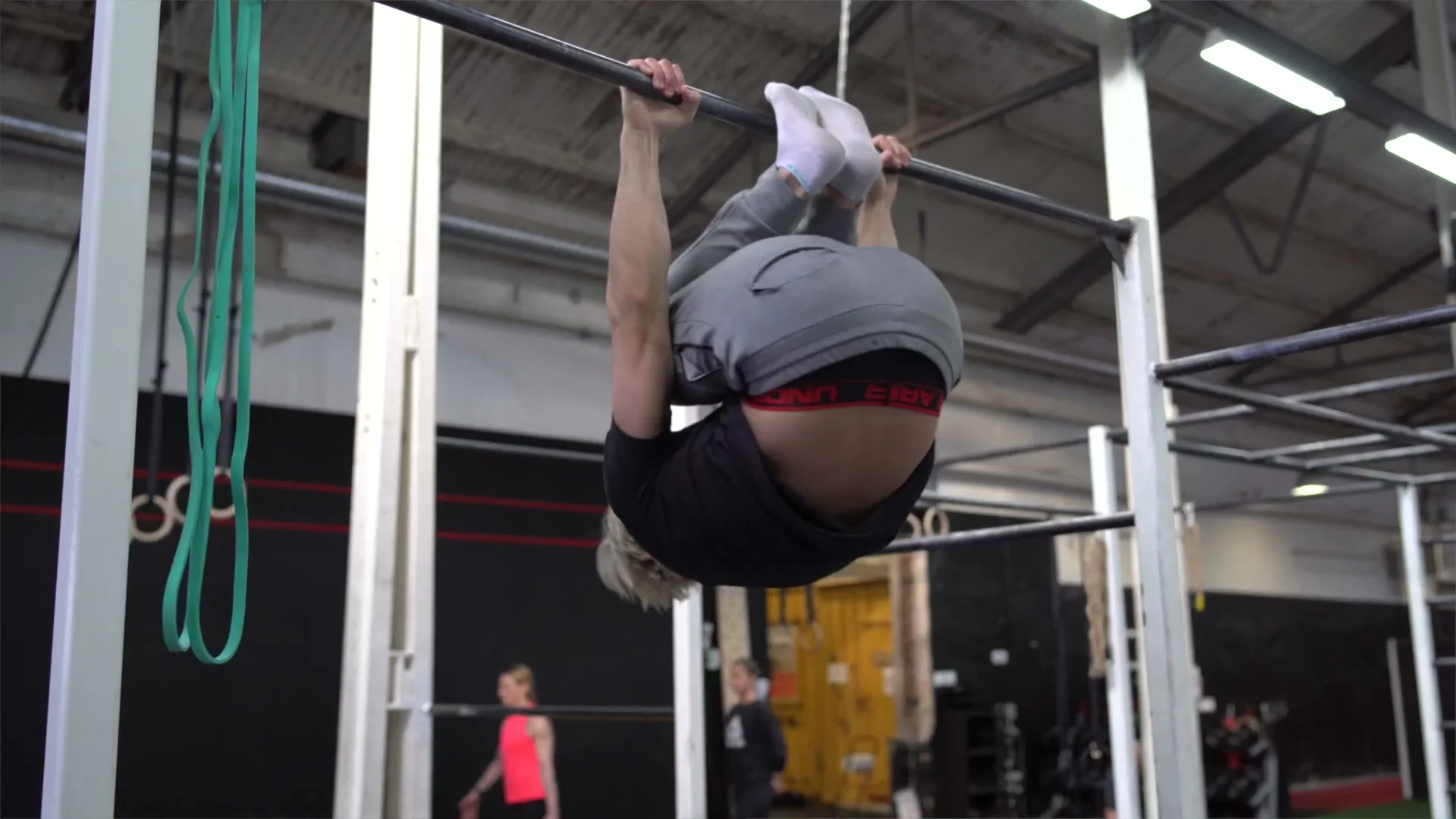
Two problems account for almost all shrimp flip failures. The first is not being able to pass the bar with the feet. The second is crossing the legs when trying to pass. Both feel like a technique problem in the moment, but they are usually a mobility problem underneath.
The Two Problem Areas
The body has two areas that directly affect whether the shrimp flip works. The first is the lower body. To fold into the tight ball required for the shrimp flip, the knees need to reach close to the chest and the ankles need enough mobility to compress into that shape. If either is stiff, the body cannot get compact enough to pass.
The second area is the scapula and upper back. Stiffness here makes the back rigid, which is the opposite of what the bar pass requires. When the back is tense during the pass, it reduces the space between the bar and the feet and makes clearing it harder. Loosening the scapula and upper back directly creates more space for the feet to get through.
Exercise 1: Deep Squat Sit
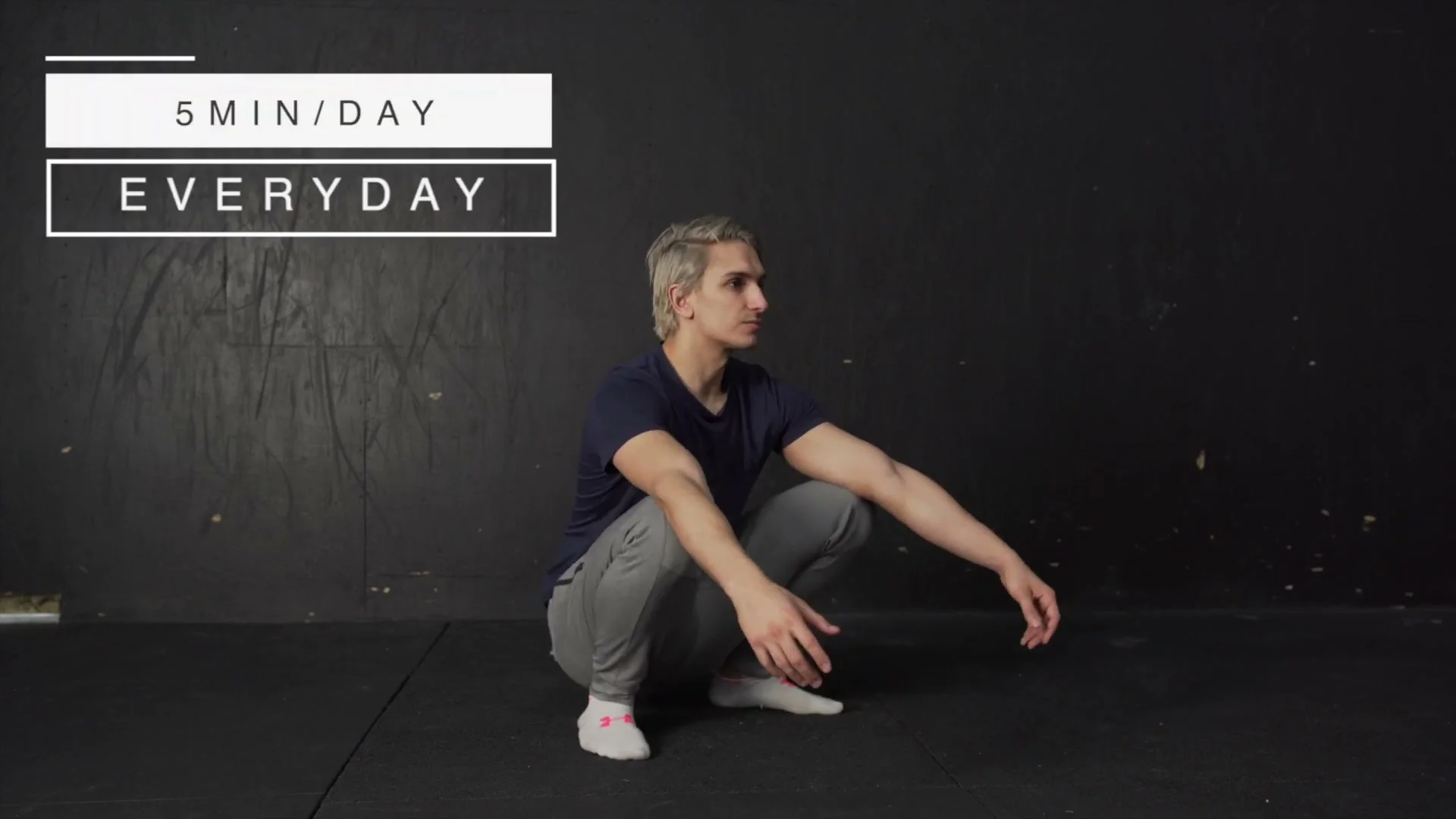
The deep squat sit targets ankle and hip mobility directly. It teaches the body the compressed, folded position required for the shrimp flip. Sit in a deep squat with feet flat and knees driving over the toes. Get the hips as low as possible.
The goal is five minutes of total hold time per day, every day. It does not need to be continuous. Thirty seconds at a time, spread through the day, adds up to the target. If falling backward makes the position impossible to hold, grip a support and sit as low as possible while holding. Try to run 30 days straight. If it becomes painful, take two to three rest days and return. Pull against whatever you are gripping to drive the knees further over the toes and develop the correct squat depth.
Key Takeaway
Exercise 2: Australian Scapula Stretch
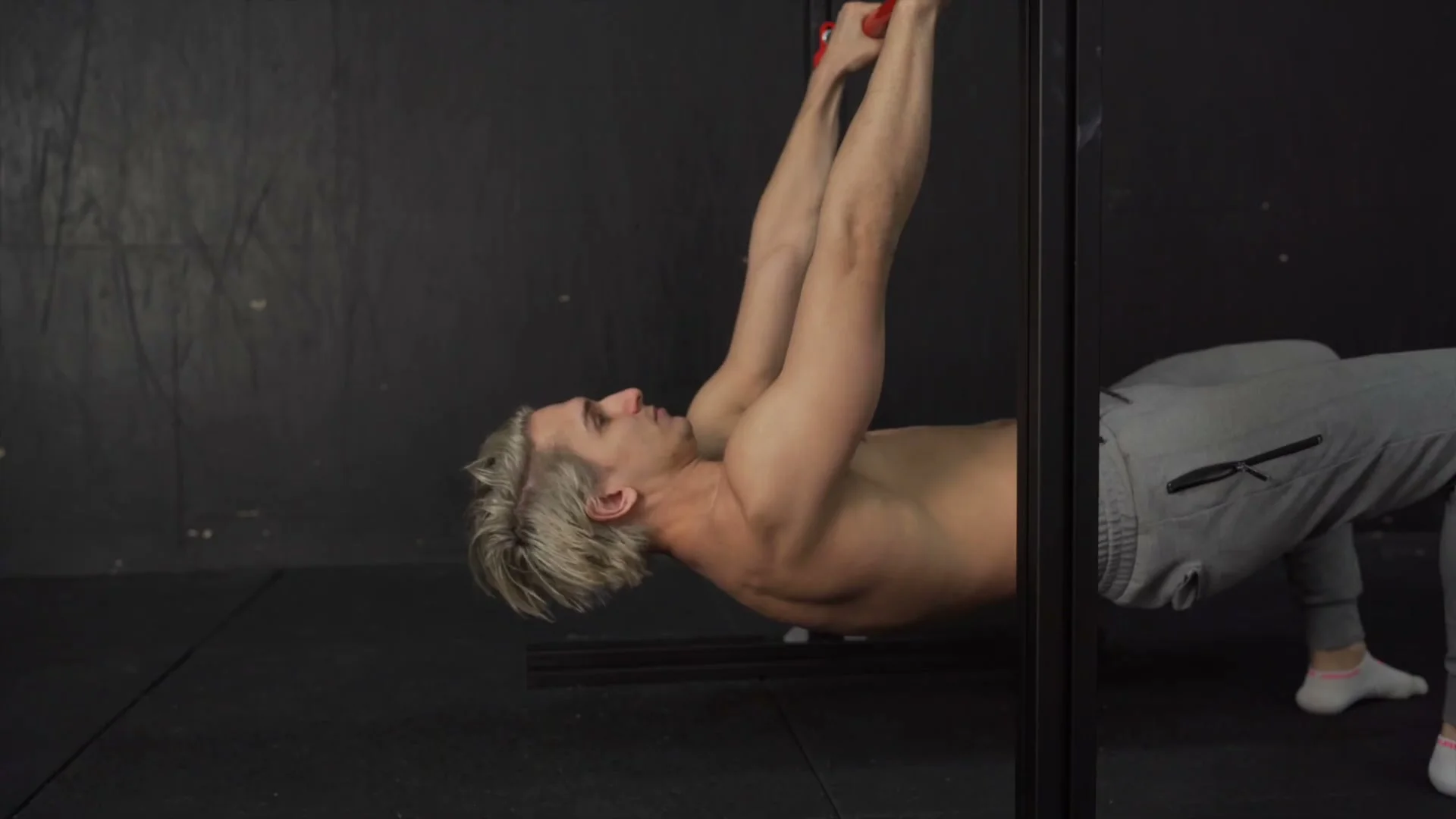
Use a low bar where the feet stay on the ground. Hang underneath it with straight arms and relax the scapula completely. Let the upper back open. Hold for 10 seconds, then do 5 scapular rows by pulling the shoulder blades together without bending the arms. Hang again and repeat. That is one set. Do three sets.
The stretch should feel like the upper back is opening and expanding. That opening is exactly what the shrimp flip bar pass requires. A loose, mobile upper back creates the space the feet need to clear.
Exercise 3: Bar Hang
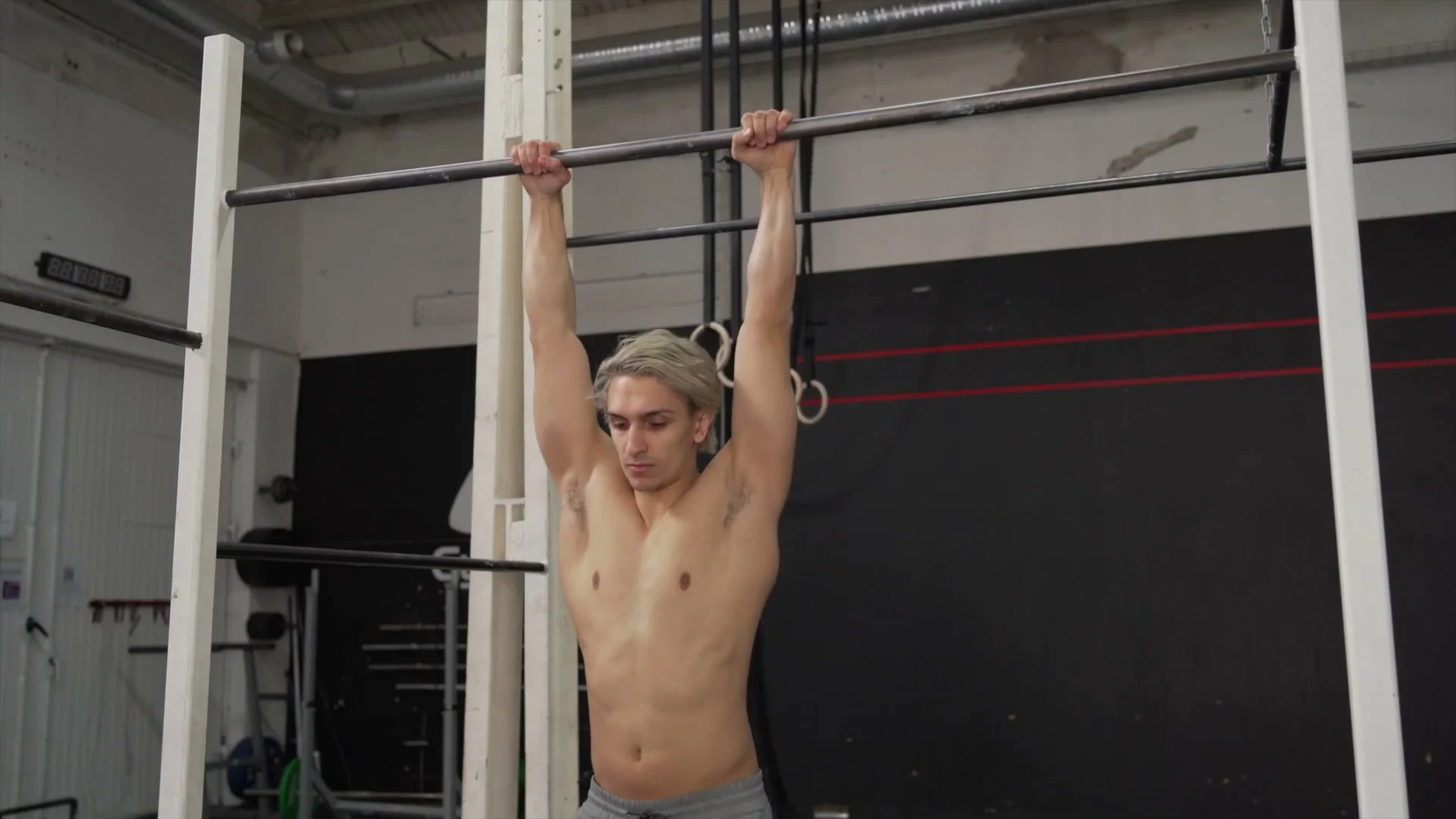
The bar hang works toward the same goal as the scapula stretch but passively. Hang from a bar, relax the entire body, and let gravity do the work. No active pulling. Just hang and let the shoulders and upper back open.
Hold for 10 to 30 seconds per hang. Do three sets. Both the Australian scapula stretch and the bar hang can be done three to four times per week, either at the end of a session or as part of the warmup.
Exercise 4: Skin the Cat
The skin the cat is a direct prerequisite for the shrimp flip and the most specific exercise in this group. It trains the exact passing motion in a controlled way, which is why it appears in the shrimp flip tutorial as a progression step. Learning it properly transfers directly to the shrimp flip.
Step 1: Rings First
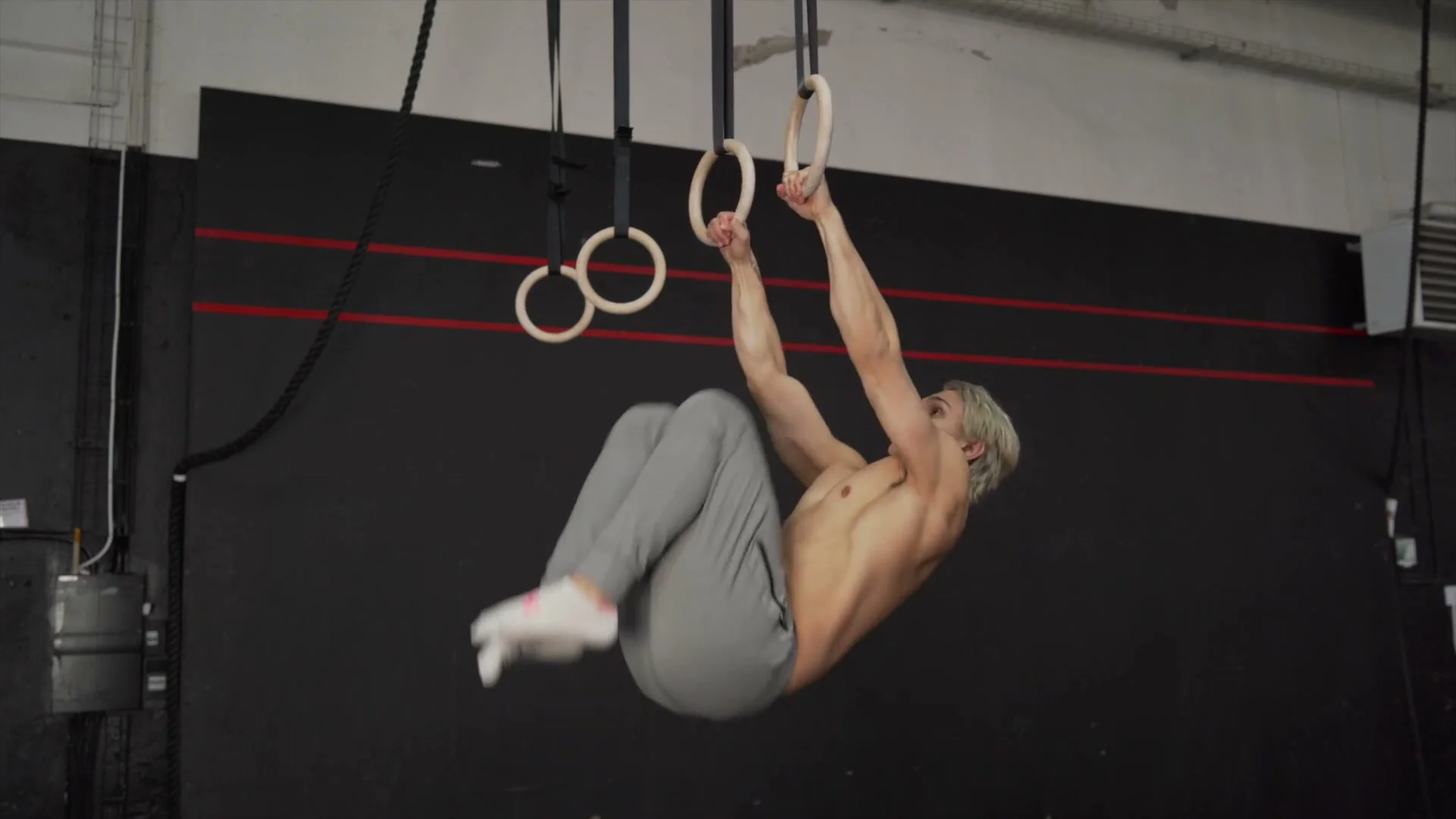
Start on gymnastic rings rather than a straight bar. The rings can spread apart as the feet pass through, so there is no fixed bar to clear. This removes the clearance problem entirely and lets you learn the motion without that obstacle.
Hang with straight arms. Pull the knees up and bring the feet through between the rings. Return to the starting position. Keep the arms straight throughout. Bending the arms makes the movement significantly harder and carries those same bad habits into the shrimp flip. Do two to five reps for three to four sets. Move to the bar once this feels consistent.
Step 2: Straight Bar Without Shoes
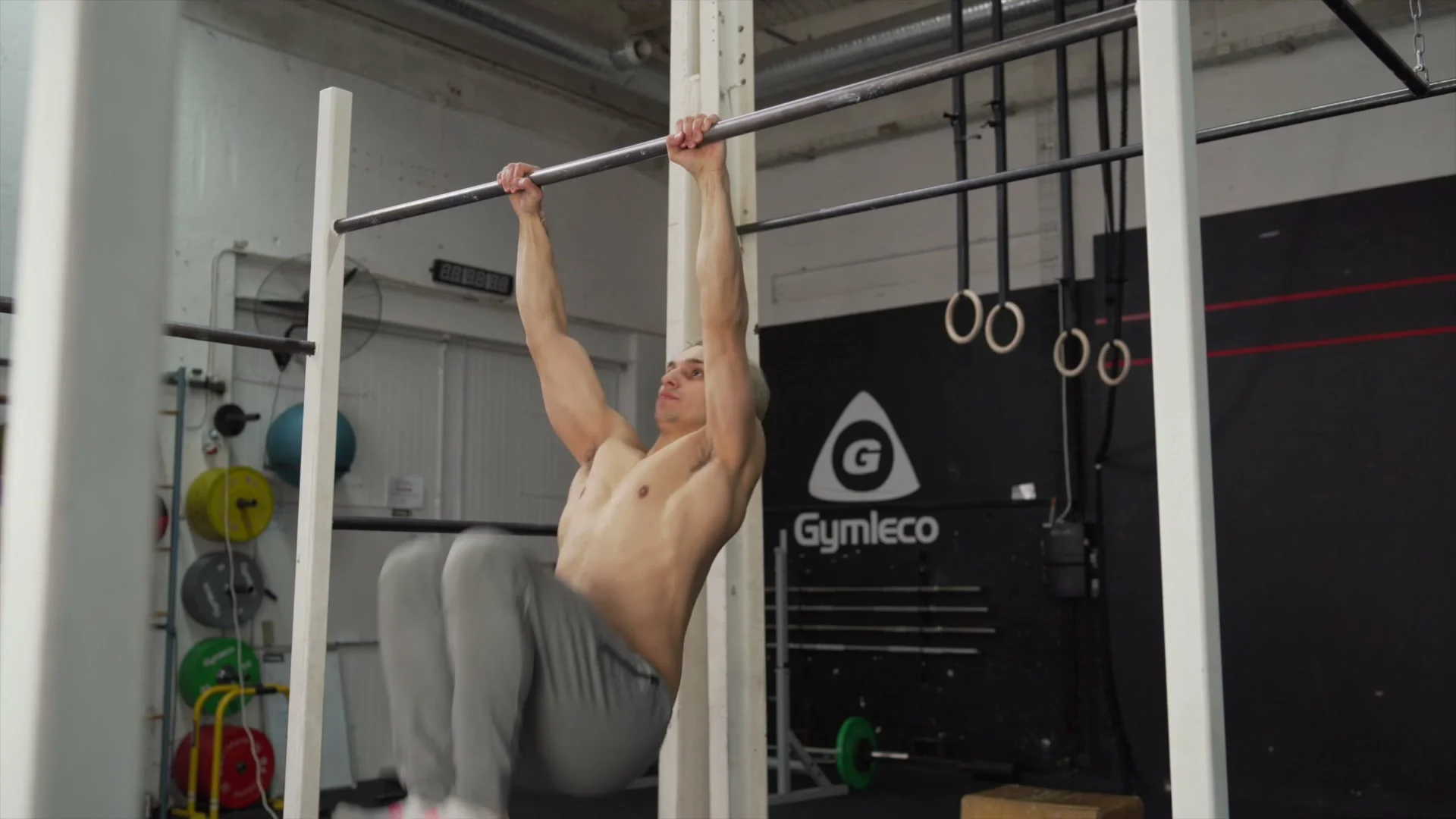
Take the shoes off before attempting the bar. Shoes add height to the feet and reduce the space available for the pass. Learning without them first makes clearing the bar easier while the movement develops.
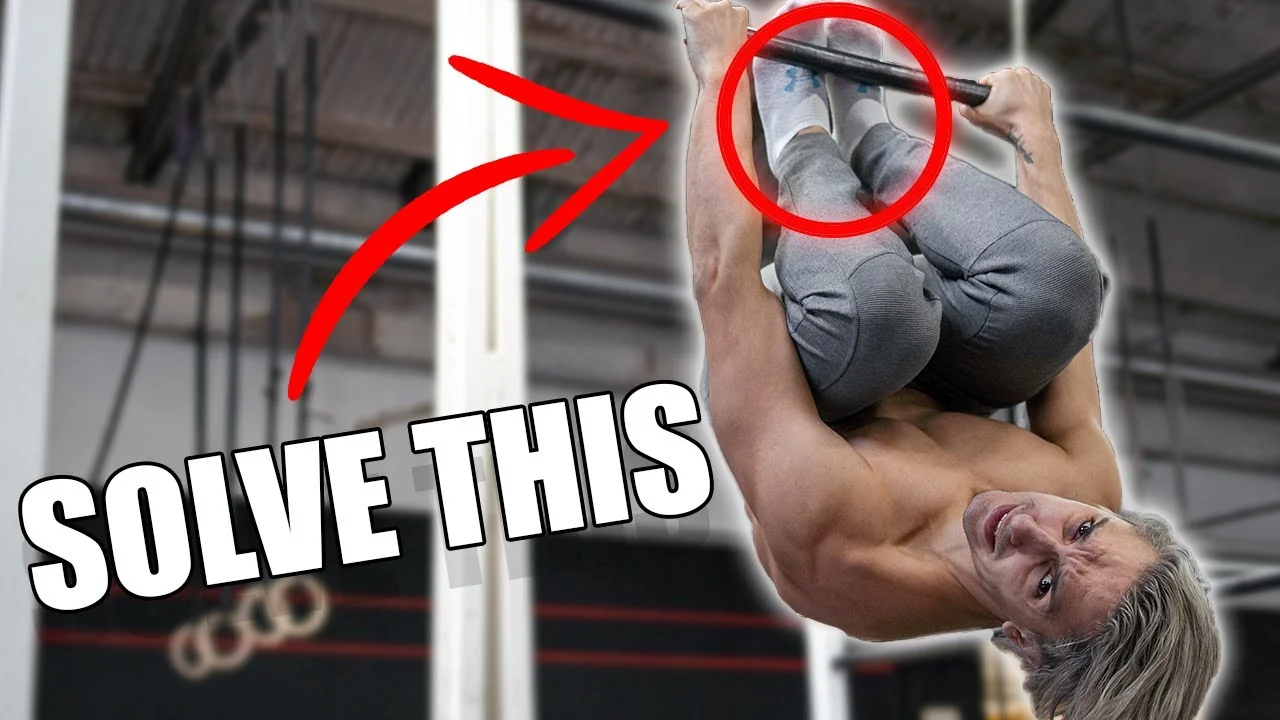
Hang on the bar, pull the knees up, flex the feet, and tuck the knees toward the chest. When the feet approach the bar, relax the back. A tense back closes the space. A relaxed back opens it. If clearance is still tight, try hanging more on the fingertips rather than a full grip, this creates a small amount of extra space. Do two to five reps for three to four sets. Once consistent without shoes, add them back and repeat.
The Key Fix: Tension vs. Relaxed Back
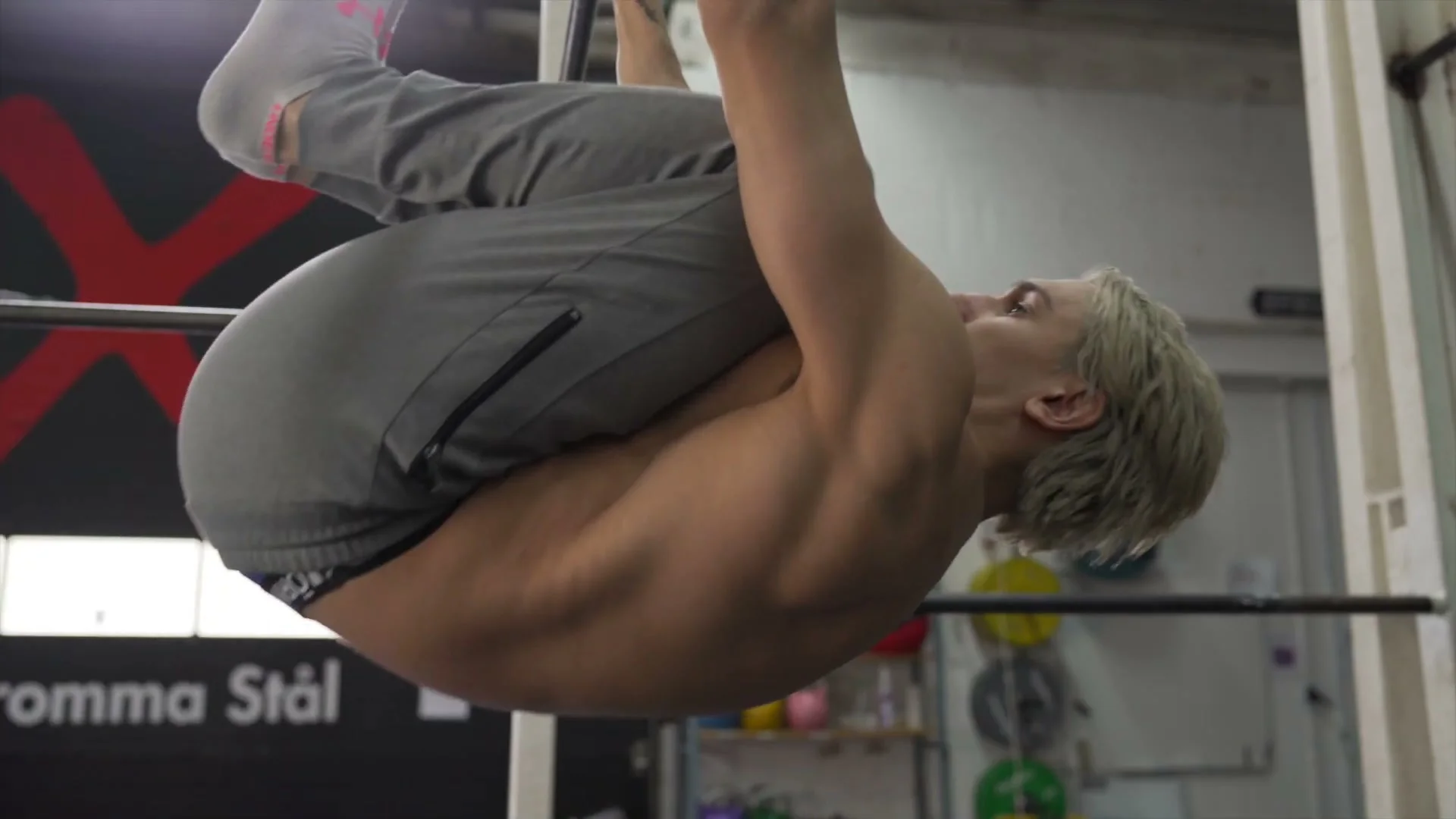
The single most consistent reason feet fail to pass the bar is a tense back. When the back braces, the body opens slightly, and the gap between bar and feet shrinks. When the back relaxes, the body folds more compactly and the gap increases.
This is difficult to feel from the inside. It is immediately visible from a side-view recording. Film a skin the cat attempt from the side and look at what the back does when the feet approach the bar. A relaxed back stays rounded and close to the folded position. A tense back pulls straight and kills the clearance. The fix: consciously release the back tension as the feet approach the bar, flex the feet, and let the body stay folded.
Training Tips
Do the deep squat sit every day without exception. It is not a gym exercise. It can be done while reading, while waiting, while watching something. The total hold time is what matters, not the setting.
The other three exercises fit into a regular training schedule three to four times per week. Do them at the end of a session or as a warmup. Volume does not need to be high. Consistency over weeks and months is what builds the mobility change.
Expect the skin the cat on rings to feel easy and the bar version to feel much harder. That gap is exactly the clearance problem the other exercises are solving. Both versions are worth training in parallel. The rings version builds the movement pattern. The bar version applies it to the real obstacle.
Two to four weeks is the realistic minimum before visible improvement in the shrimp flip pass. Two months is realistic for athletes starting with significant stiffness. Compare progress monthly, not weekly.
Frequently Asked Questions About the Shrimp Flip
Why can't my feet pass the bar during the shrimp flip?
The most common cause is a tense back during the pass. Tensing the back reduces the space between the bar and feet. Relax the back, flex the feet, and tuck the knees tightly toward the chest. The second cause is insufficient ankle and hip mobility. The deep squat sit targets this directly.
Why do my legs cross during the shrimp flip?
Leg crossing is usually caused by upper back and scapula stiffness. When the upper back cannot open freely, the body compensates by rotating to one side, which causes the legs to cross. The Australian scapula stretch and bar hang target this stiffness directly.
Do I need to learn skin the cat before the shrimp flip?
Yes. The skin the cat is a progression step within the shrimp flip and a direct prerequisite. If the skin the cat on a straight bar is not consistent, the shrimp flip bar pass will not be either. Start with rings, then the bar without shoes, then with shoes.
How long does it take to fix the shrimp flip pass?
Two weeks to two months, depending on starting mobility and consistency. Athletes with some baseline ankle, hip, and scapula mobility improve faster. Athletes starting from significant stiffness should expect the longer end of that range. Compare progress monthly rather than week by week.
Why is skin the cat easier on rings than on a straight bar?
The rings can spread apart as the feet pass through, so there is no fixed obstacle blocking them. On a straight bar, the clearance is fixed and the feet must pass through a specific gap. Rings remove that problem entirely and let you learn the movement pattern first.
Should I remove shoes when practicing skin the cat on the bar?
Yes, initially. Shoes add height to the feet and reduce the available clearance. Learning without shoes first makes the bar version more achievable while the motion develops. Add the shoes back once the barefoot version is consistent.
Can I do the deep squat sit if I fall backward?
Yes. Grip something for support and sit as deep as possible while holding. The goal is to sit as low as current mobility allows. Pull against the support to push the knees further over the toes. As flexibility improves, reduce the grip and eventually let go entirely.
Daniel Flefil
Calisthenics coach with 11 years of experience, co-founder of Calixpert, and organizer of Beast of the Barz, one of the world's largest calisthenics competitions. Based in Stockholm. I write about training, equipment, and everything that goes into building a serious calisthenics practice.
More about Daniel →