
Daniel Flefil
March 2, 2019 · 7 min read
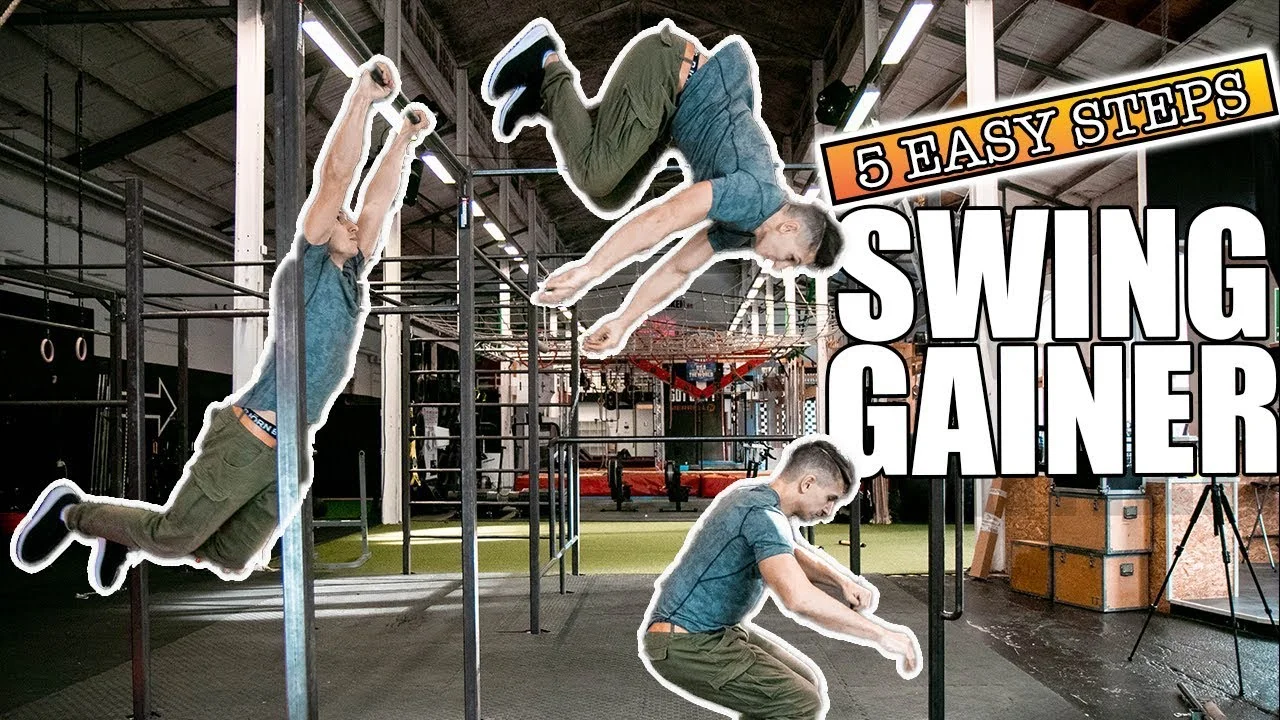
The swing gainer, also called the fly away or bar gainer, is one of the most satisfying dismounts in street workout freestyle. You swing on the bar, release at the right moment, flip backward, and land on your feet in front of the bar. It looks dramatic, and the first time you do it will feel like a breakthrough. The challenge is the fear that comes with releasing a bar mid-swing and committing to a backward flip. In this tutorial I cover all five progression steps that make the swing gainer learnable in a controlled, low-risk way, starting from the skin the cat and building toward the full release. By the end, you will have a clear framework to train it safely at your own pace.
Watch the Full Tutorial
What Is the Swing Gainer?
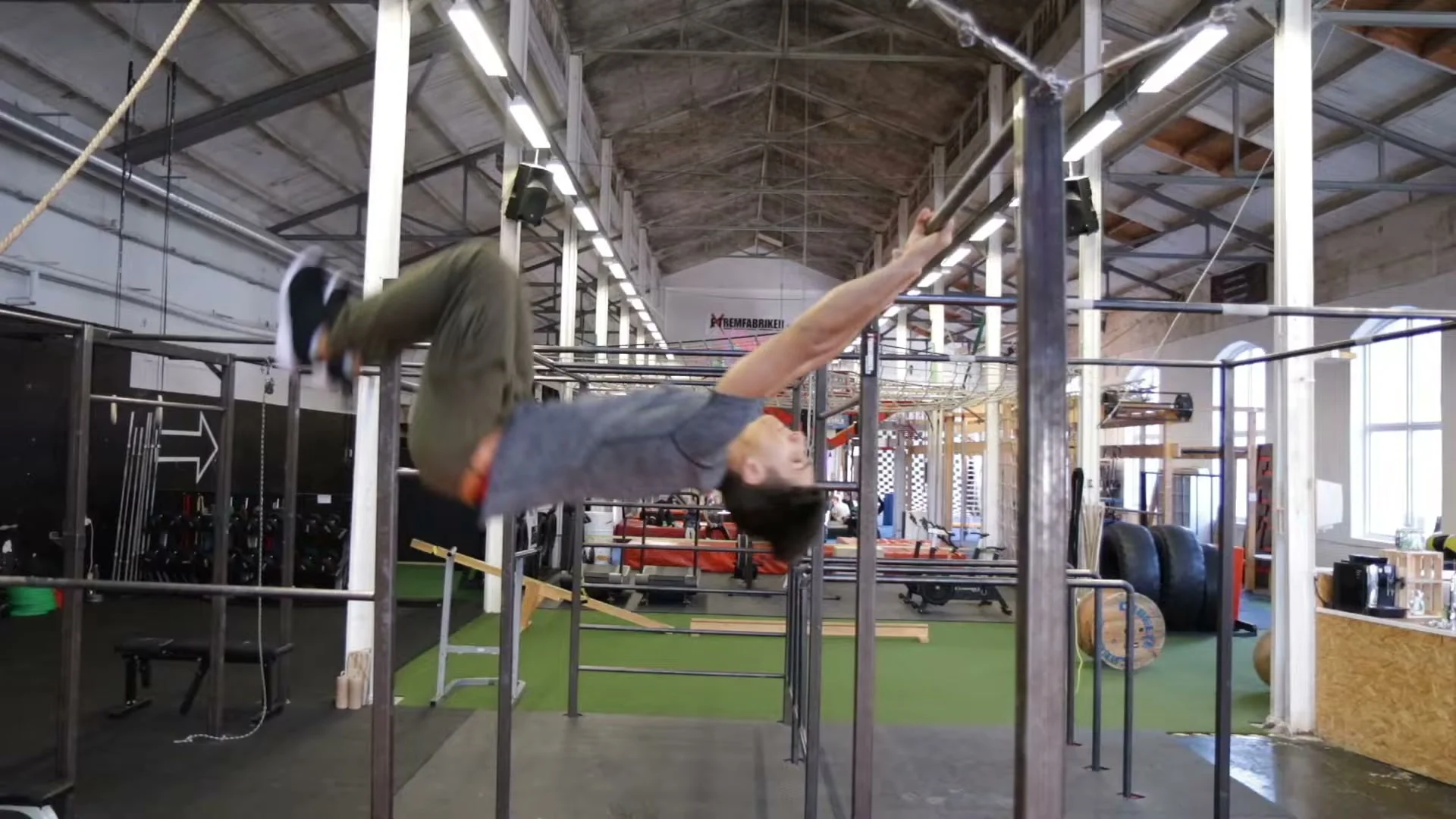
The swing gainer is a bar dismount where the athlete swings on a high bar, brings the knees up to generate upward momentum, releases the bar while the body is nearly horizontal, and completes a backward rotation before landing one to two meters in front of the bar. The name comes from the classic gainer, a gymnastics move that adds a back flip to a forward step. On the bar, the swing replaces the step.
The skill requires timing, coordination, and the ability to commit to a release in a position that feels unsafe before you have done it. Fear is the main obstacle, not strength. Most athletes who struggle with the swing gainer are not lacking the physical ability to do it. They are hesitating at the release point, which throws off the rotation and makes the landing unpredictable. The five progressions below address that fear directly by building the release pattern in a safe, grounded way before moving to full height.
In freestyle training, the swing gainer is a classic dismount move and a gateway to more advanced bar releases. It sits at an intermediate to advanced level, above basic swing skills but below complex release catches like the swing 540.
Prerequisites
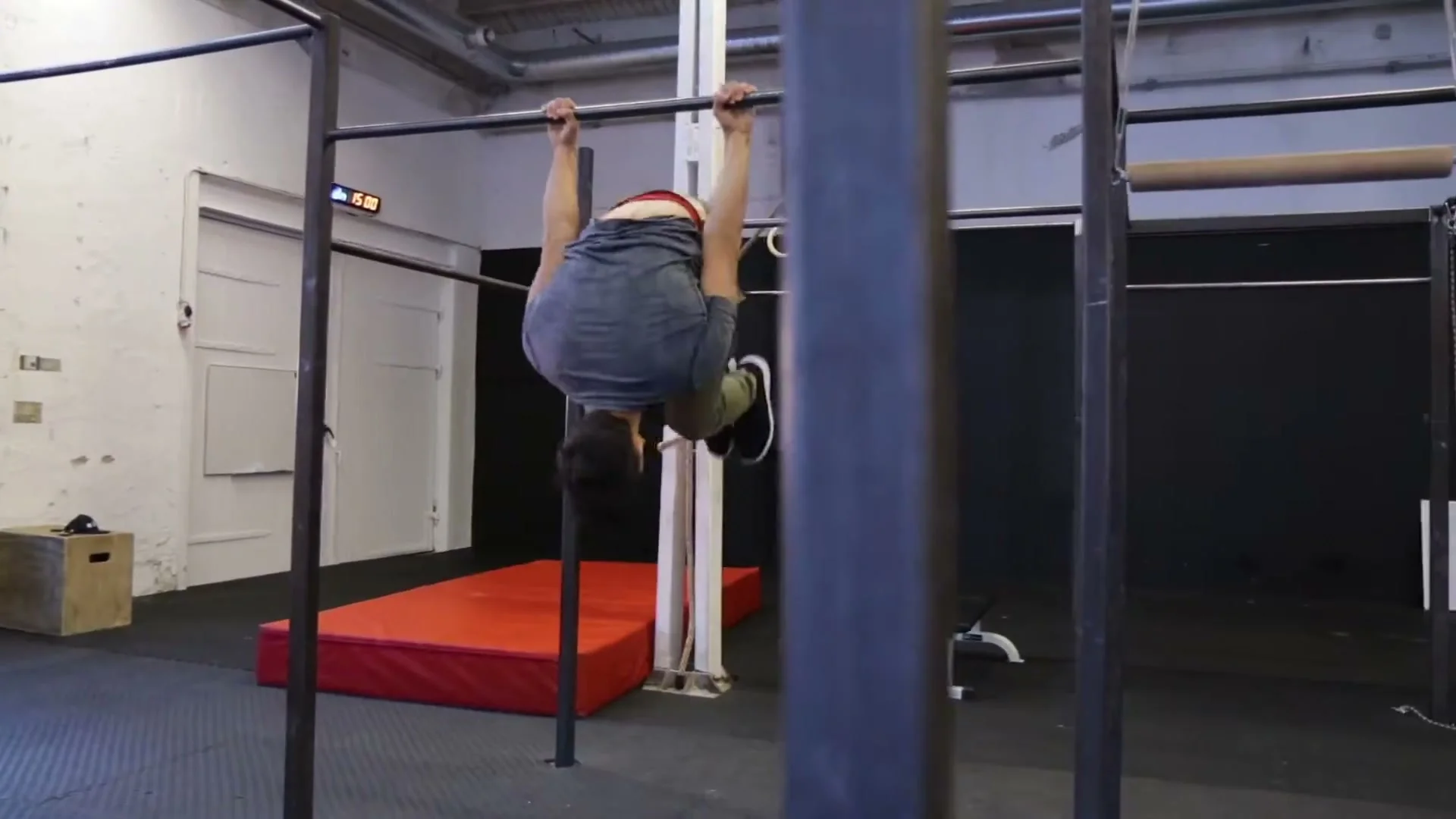
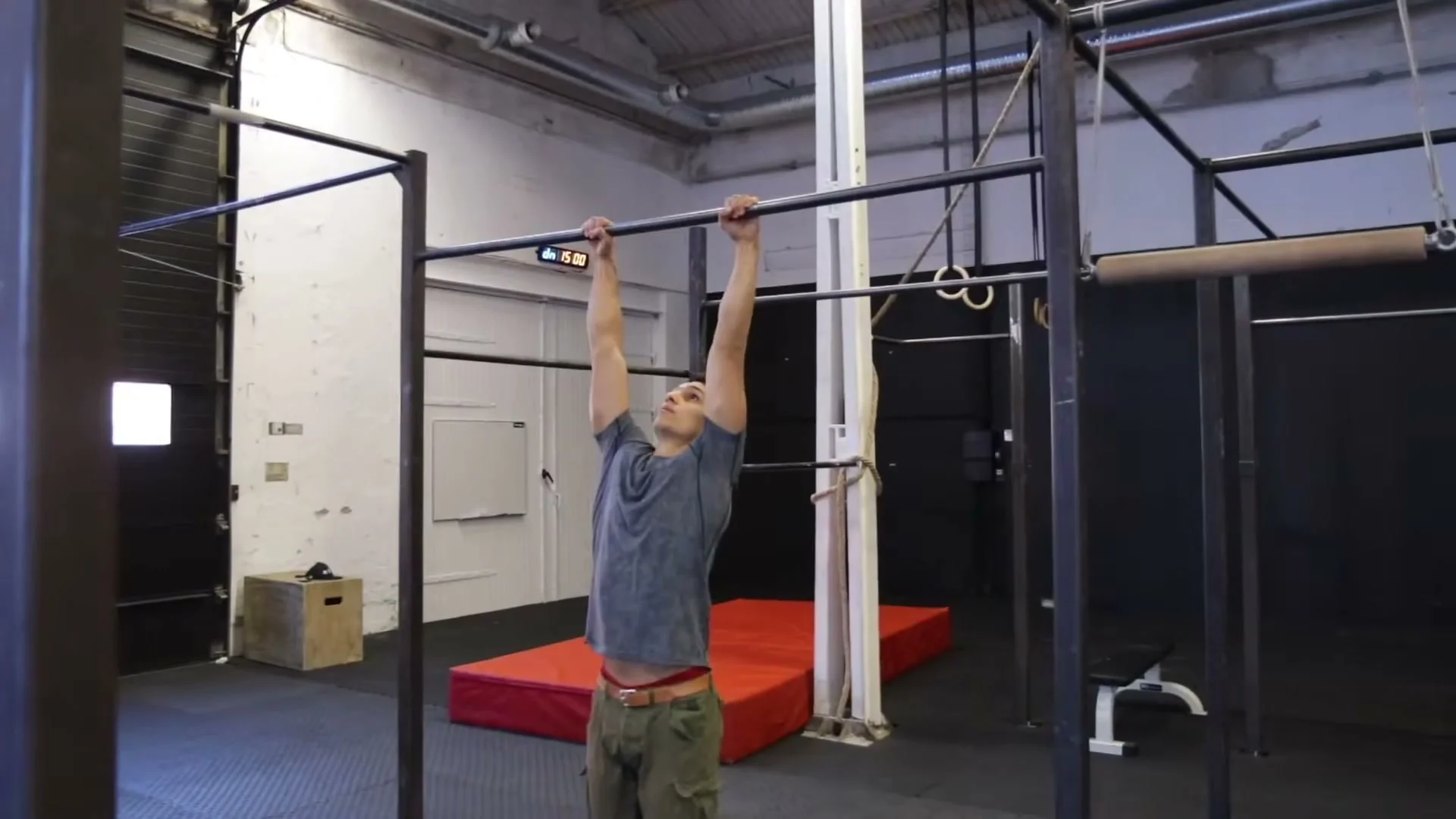
The swing gainer requires comfort on the bar in dynamic positions before any progression makes sense. You need a solid dead hang, basic swing control, and enough comfort to go upside down without panic. The single most important prerequisite is the skin the cat. If you cannot do a controlled skin the cat, the swing gainer will feel completely out of reach and the first progression steps will not click.
Specific standards before starting:
- Controlled skin the cat (at least 3 clean reps)
- Dead hang of 30 seconds or more
- Comfortable swing with both feet kicking forward
- No fear of being inverted on the bar
Technique: How to Do the Swing Gainer
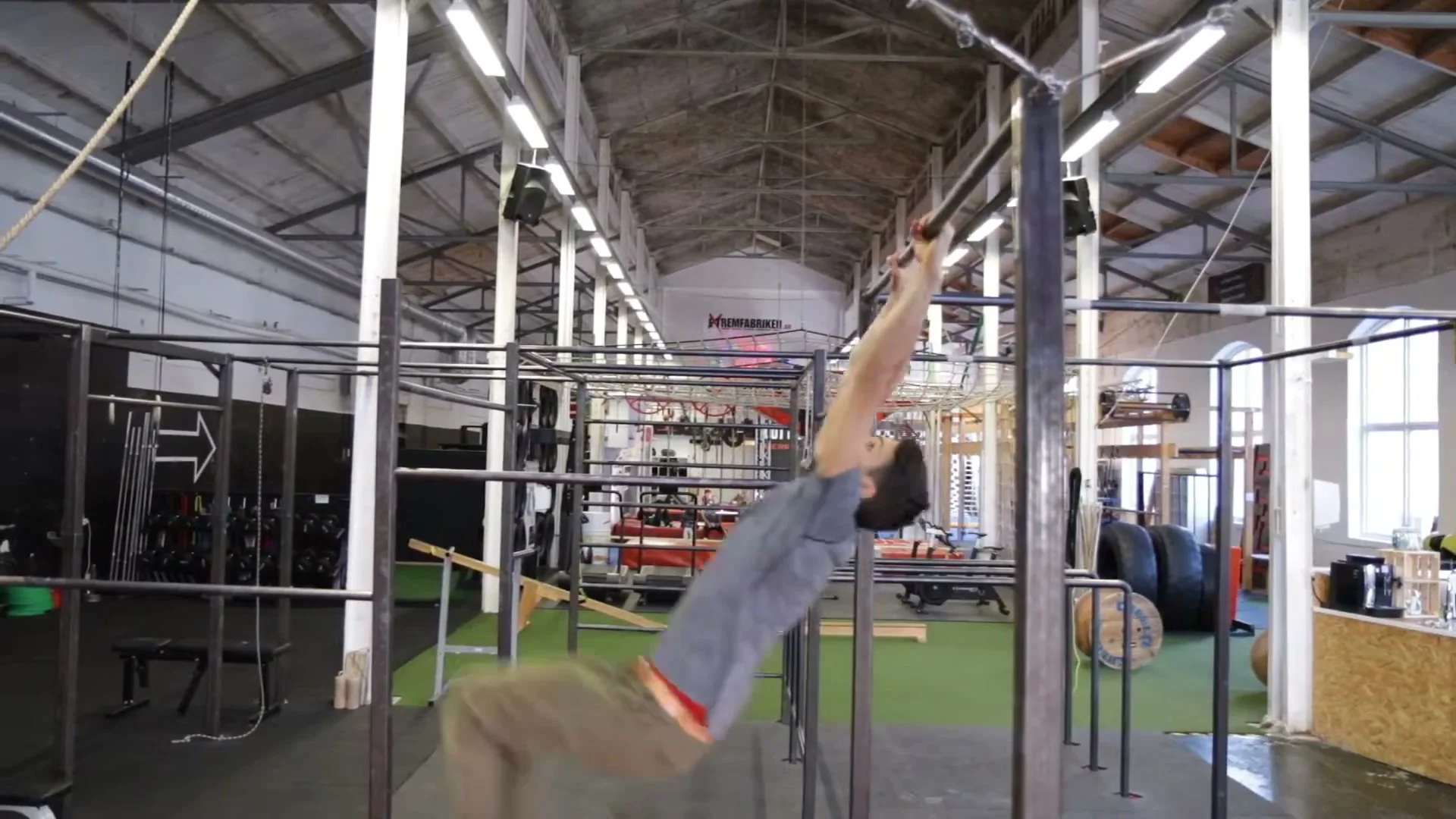
Grip the bar with both hands at shoulder width. Start the swing and build momentum. As you swing forward and reach the peak of the swing, bring your knees up toward your chest to create upward height. At the moment your feet are about to pass the bar going backward, release your hands.
As you release, look backward and down toward the ground. This is the key cue. Looking backward lets you see the ground earlier, which gives you a visual reference for when to open out and land. Athletes who look straight up or close their eyes during the release lose this reference and land blind, which makes every landing feel uncertain.
After releasing, tuck your knees slightly toward your chest to complete the rotation. Do not straighten your legs too early. Straightening too soon extends your body and slows the rotation, and your feet may clip the bar on the way around. The goal is to land one to two meters in front of the bar, not directly below it.
Progression: Training From Zero to Swing Gainer
No one learns the swing gainer without building toward it. The fear of committing to the release is real, and rushing to step five without working through the earlier steps makes the skill slower and more dangerous to learn. These five steps reduce fear by building the release pattern in a familiar context before adding speed and height.
Step 1: Skin the Cat
Grab the bar with straight arms. Bring your knees to your chest and rotate to the other side of the bar until you are inverted below it. Then return back to the start. This is the foundation movement for everything that follows. The body position during the skin the cat, specifically the inverted hang with the knees tucked, directly mirrors the rotation phase of the swing gainer.
Practice this until it feels automatic. The goal is not just to complete the movement but to feel comfortable being inverted on the bar and to control the rotation without hesitation. Three to five clean reps with controlled speed is the standard before moving to the next step.
Key Takeaway
Step 2: Skin the Cat Release
This step adds the release to the skin the cat. Perform the skin the cat at speed and let go of the bar when your feet pass it on the way through the rotation. You will drop and land on your feet just below the bar.
The landing spot is important. Aim to land directly below the bar, not far forward. The goal at this step is only to practice the release motion and feel the rotation without a swing. The landing distance will be short. Do not try to jump away from the bar yet. This step is about getting used to letting go mid-rotation.
Repeat this until releasing the bar feels natural. The motion of looking backward and down starts here. After your feet pass the bar, look toward the ground and you will see the floor coming up to meet you before you land.
Step 3: Skin the Cat Release with a Swing
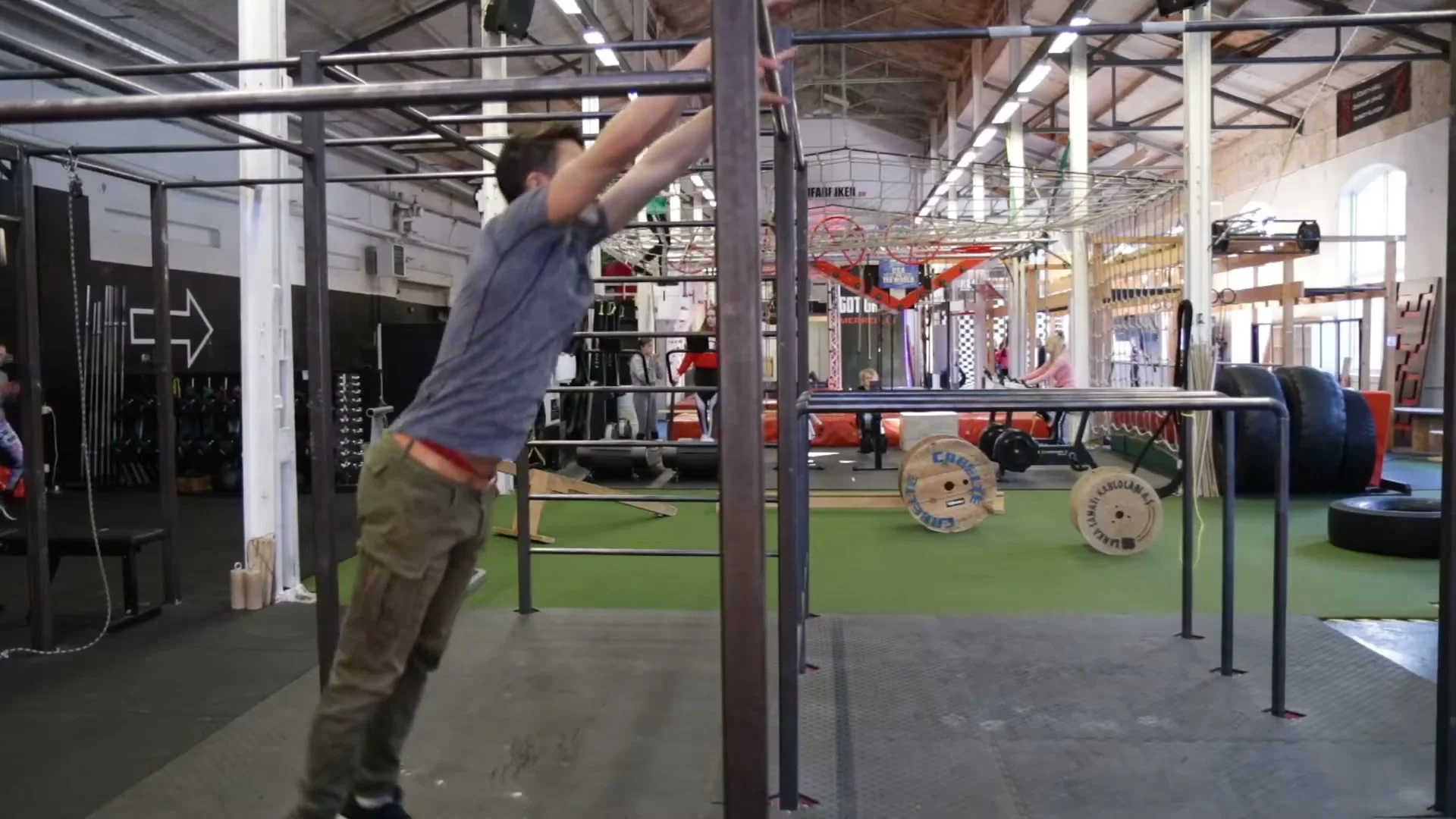
Add a small swing before the skin the cat. Swing forward, let the momentum carry your knees up and through, and release the bar when your feet pass it. The landing will still be close to the bar, but the swing adds speed to the rotation.
The key cue in this step is the head position. As your knees come up and you begin the rotation, look backward and down toward the floor. You want to see the ground as early in the rotation as possible. This gives your brain a reference point and makes the landing feel controlled rather than blind.
When this step feels comfortable at the low bar with a gentle swing, you are ready for the higher bar.
Step 4: Higher Bar, Land Below
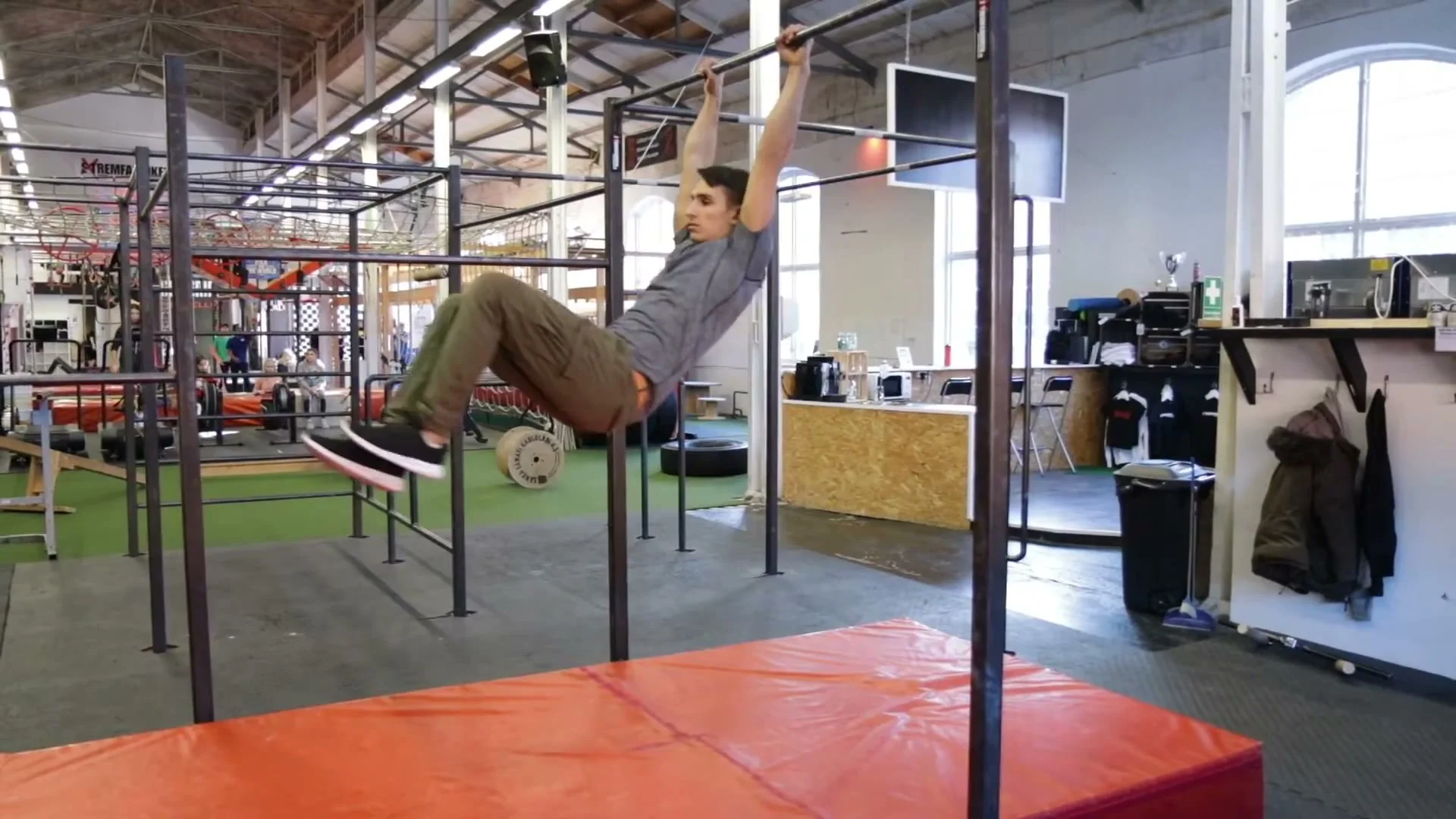
Move to a higher bar where you need to jump up to grip it. If crash mats are available, use them. Jump to the bar, swing, and perform the same movement from step 3. The goal at this stage is still to land below or just in front of the bar, not far out.
The added height makes the rotation feel different. The air time is longer and there is more time in the rotation before landing. This step is where fear tends to spike the most. The solution is to keep doing the same movement from the previous steps, not to think about anything new. The only difference is that you release the bar earlier in the rotation, just as your feet are about to pass the bar going backward.
Look backward immediately after releasing. Seeing the ground early is what makes this step feel manageable. If you are not seeing the ground during the rotation, the instinct is to panic and straighten out early.
Step 5: Full Swing Gainer
This is the complete movement. Swing harder than in the previous steps. Bring your knees up toward the ceiling, not just to your chest. The higher the knees go, the more height you generate in the rotation. When your back is parallel to the floor and your knees are high, release the bar and look backward toward the ground.
After releasing, tuck your knees slightly more toward your chest to complete the rotation. Then open out as you approach the landing. The target landing spot is one to two meters in front of the bar. If you are landing directly below the bar, the swing was not big enough or you held on too long.
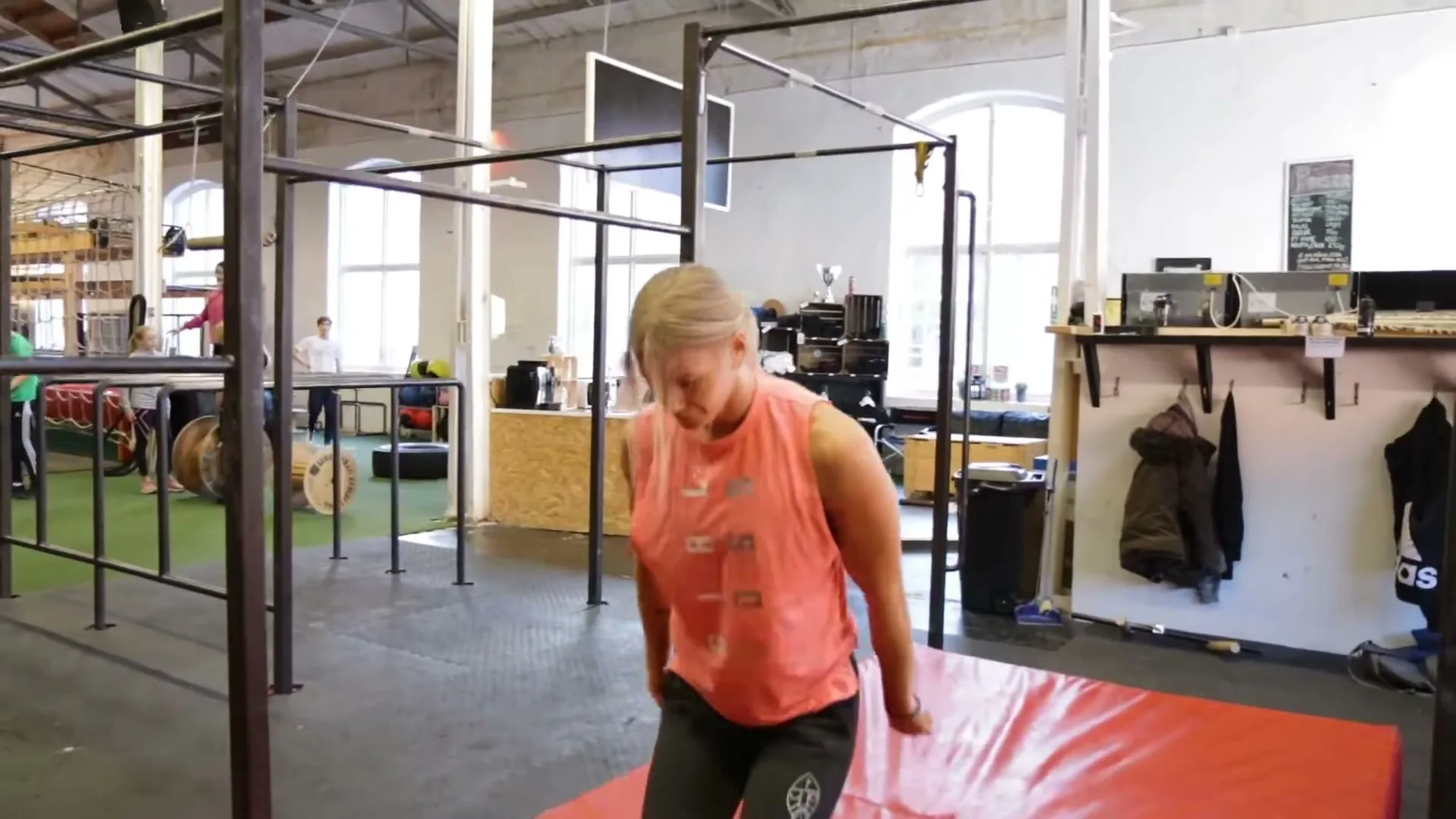
The first few attempts at this step will feel scary regardless of how well the earlier progressions went. That is normal. The release at full swing height is qualitatively different from the partial releases in steps 2 through 4. Commit to the backward look and the knees-to-ceiling height, and the rotation will follow.
Common Mistakes
These are the most common problems, and all of them are fixable through the progressions.
Releasing Too Late or Too Early
Releasing too late means the feet have already passed the bar and the body is starting to fall. The rotation will be incomplete. Releasing too early means the swing has not reached the right position and the height is not there. The correct release happens when the feet are about to pass the bar going backward and the body is near horizontal. The skin the cat release in step 2 trains exactly this timing at low speed.
Not Looking Backward
Keeping the head neutral or looking forward after release means you cannot see the ground during the rotation. Without that visual reference, the instinct is to open out early or pull the knees in too fast. Looking backward as soon as the hands leave the bar is the single most important cue for landing under control.
Straightening the Legs Too Early
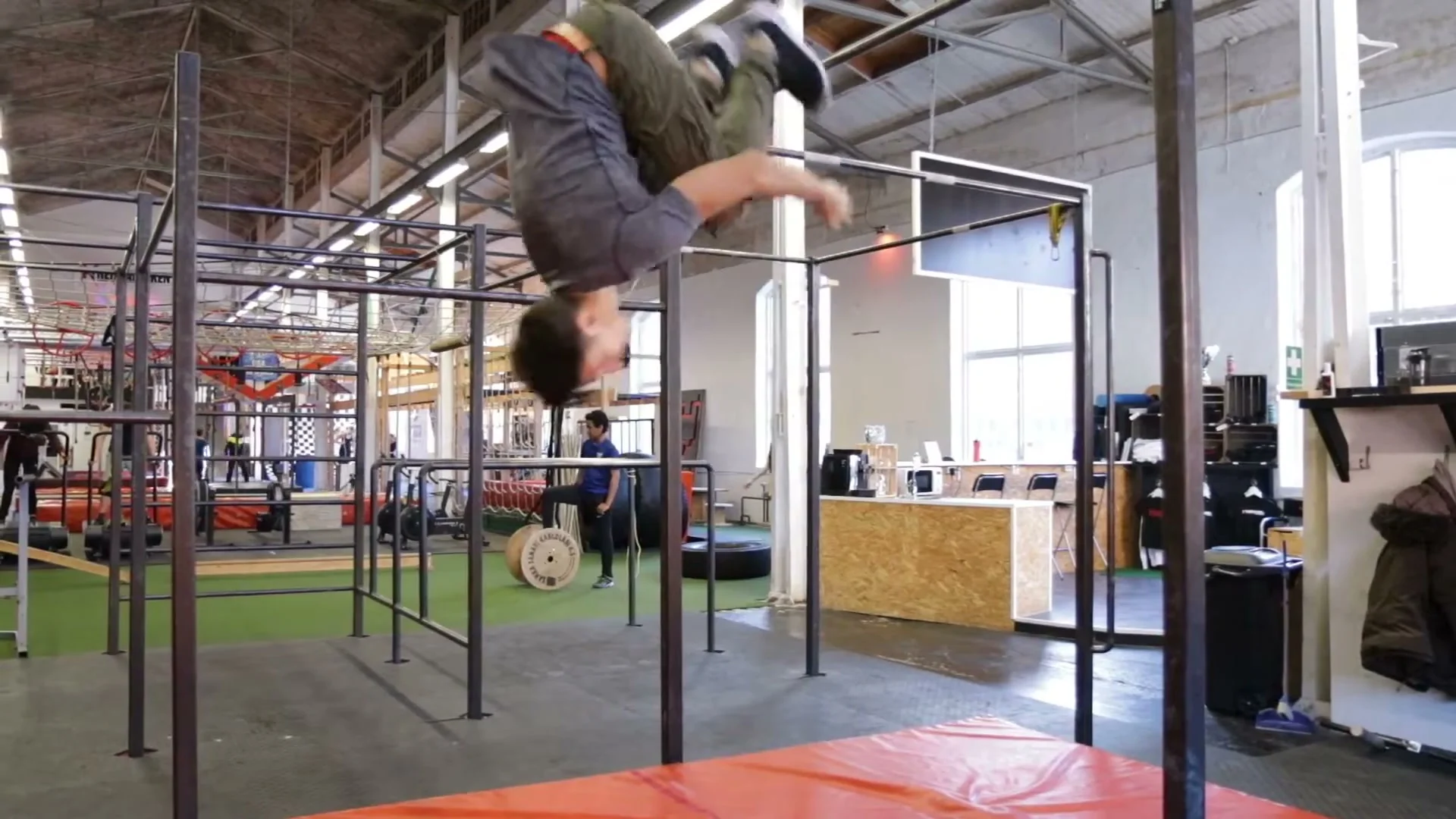
Straightening the legs during the rotation slows the flip and increases the risk of catching the bar with the feet. Keep the knees tucked until the rotation is past vertical and you can see the landing clearly. Then extend to land.
Landing Too Close to the Bar
A landing directly below the bar usually means the swing was not powerful enough or the knees did not go high enough. The landing should be one to two meters in front of the bar. If consistently landing short, focus on a bigger swing in step 3 before going back to the higher bar.
Training Tips
Train the swing gainer at the start of a session before fatigue. The skill requires full mental focus and commitment to the release. Attempting it when tired or mentally flat produces hesitation at the critical moment.
Progress through the five steps in order and spend genuine time at each one. Step 2 and step 3 feel simple but they train the release reflex that the full gainer depends on. Rushing past them because they are easy is the main reason athletes stall at step 5.
Film yourself from the side. The release point and the knees-to-ceiling height are both hard to feel accurately. Video shows clearly whether the knees are going high enough and whether the release is happening at the right moment.
Use crash mats whenever they are available, especially for steps 4 and 5. The mat removes consequence from a bad landing and allows you to focus entirely on the technique rather than protecting yourself.
Do not skip the warmup before swing gainer training. The shoulder, elbow, and wrist joints take repeated stress from the grip and swing. The release and landing also load the knees and ankles. Prepare all of these before attempting any progressions.
Frequently Asked Questions About the Swing Gainer
What is the difference between a swing gainer and a bar gainer?
They are the same skill. Swing gainer and bar gainer both refer to the same movement: swinging on a bar, releasing at the peak, and completing a backward rotation before landing. Fly away is another name for the same move. The variations in naming come from different calisthenics and street workout communities.
Do I need to be able to do a backflip before learning the swing gainer?
No. The swing gainer uses the bar swing to generate the rotation, not a jump like a standing backflip. Athletes who have never done a standing backflip can still learn the swing gainer by working through the five steps, because the skin the cat progression builds the rotation pattern on the bar before any freestanding flip is required.
How long does it take to learn the swing gainer?
Most athletes with a controlled skin the cat can get their first swing gainer within two to six weeks of focused progression work. The timeline depends heavily on how much time is spent on steps 2 and 3 before attempting the higher bar. Athletes who rush to step 5 often take longer because they are fighting the release reflex that the earlier steps build.
Is the swing gainer dangerous?
It carries real risk if attempted without preparation or from too high a bar too early. Working through the five steps reduces risk significantly because each step builds the release timing at progressively higher intensity. The fear at step 5 is real, but it is manageable when steps 1 through 4 have been completed with genuine control.
What height bar should I start on?
Start at the lowest bar where a skin the cat is possible, typically a bar at shoulder height or slightly higher. Steps 1 through 3 should be done on a low bar. Step 4 introduces a bar high enough to require a jump, which is where the full rotation first becomes available. Only move to a higher bar when you are consistent at the lower one.
Why do my feet keep hitting the bar during the rotation?
This happens when the legs straighten too early in the rotation. Keep the knees tucked until the rotation is past horizontal and you can see the landing below you. Opening out too soon slows the flip and brings the feet back toward the bar. Review the movement at the low bar and focus on holding the tuck until the rotation is complete before extending to land.
Can I learn the swing gainer without crash mats?
Yes, but mats make the early attempts at step 4 and step 5 significantly less stressful. If no mats are available, a soft grass surface reduces the consequences of an imperfect landing. Avoid learning on concrete until the landing is consistent. The technical steps from 1 to 3 can be done anywhere with a suitable bar.
Daniel Flefil
Calisthenics coach with 11 years of experience, co-founder of Calixpert, and organizer of Beast of the Barz, one of the world's largest calisthenics competitions. Based in Stockholm. I write about training, equipment, and everything that goes into building a serious calisthenics practice.
More about Daniel →